On April 26, 1989, Rudy Linares entered Rush-Presbyterian-St. Luke’s Medical Center in Chicago with a loaded gun. After spending more than half a year on a ventilator, his son, Samuel, was projected to have no chance of recovery. Despite this, the hospital had declined Linares’ requests to withdraw life support.

Linares quickly took over the news as he disconnected Samuel’s ventilator himself, holding the staff at gunpoint to prevent their interference.
In the aftermath of his actions, including legal action in which he was charged with first-degree murder, Linares garnered national attention. His actions prompted a renewed discussion of right-to-die legislation and the authority of parents to make medical decisions for children.
Samuel and the Medical Crisis That Changed Rudy
Samuel Linares was around seven months old when he was admitted to the emergency room in August of 1988. The exact details of the incident are not always identical, but the narrative thread that remains the same across accounts is that he aspirated a piece of balloon, causing it to obstruct his airway. This caused him to fall unconscious, as his brain did not have the oxygen it needed.
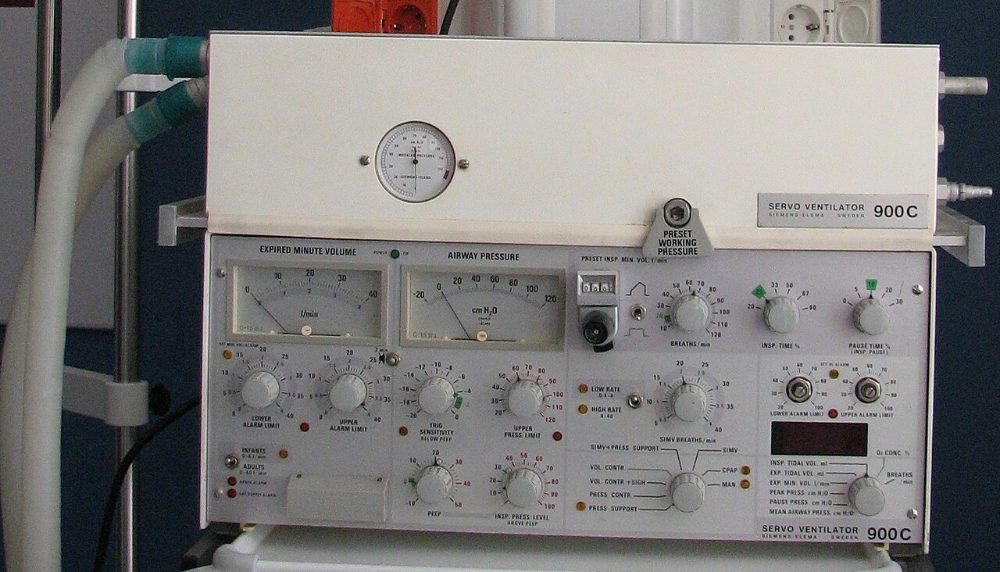
Although Rudy, his father, found him and sought emergency care, his brain had sustained permanent damage. Professionals transferred him to Rush-Presbyterian-St. Luke’s Medical Center and attached him to a mechanical ventilator, but physicians advised Rudy that he was in a persistent vegetative state and was not expected to regain consciousness.
Previous Right-to-Die Controversies That Impacted Samuel
The situation became challenging for Linares, because while Samuel was not able to breathe independently, communicate, or demonstrate any type of conscious awareness, he was not brain-dead. Some minimal function remained, and his heart was beating without assistance.
Thus, Linares’ request to disconnect Samuel from life support was, in the context of existing law, a request to remove life-sustaining treatment from a living patient who could not express his own wishes.
However, reports seem to agree that both the physicians and the Linares were in agreement that the brain damage was irreversible and that Samuel would not recover. It was the hospital’s legal advisors who rejected the decision.
According to Illinois law, removing the ventilator would not be permitted because Samuel had not been declared brain-dead. Hospital legal counsel advised that Illinois law may not protect a physician who withdrew treatment knowing that the patient would die as a result.
Samuel’s case was not unique; rather, it was one of a growing number of examples in the right-to-die controversy.
In 1975, 21-year-old Karen Ann Quinlan became similarly unconscious after respiratory failure, and her parents asked for the machine to be removed, but the hospital refused until the New Jersey Supreme Court ruled in the family’s favor in 1976. In the early 1980s, the Baby Doe controversies raged surrounding decisions to withhold treatments from newborns with severe disabilities.
The federal government intervened, creating regulations to prevent hospitals from denying medically beneficial treatment based on whether the infant had a disability.
The Events of April 26, 1989
Rudy Linares decided to take matters into his own hands. On April 26, just after 1am, he arrived at the pediatric ICU that was holding Samuel. Before anyone could intervene, Rudy disconnected the ventilator and sat down, holding onto his son. When staff attempted to intervene and reconnect the machine, Linares brandished a .357-caliber handgun and warned them not to press the situation further.
While Linares prevented staff from attending to Samuel, he allowed them to remove three other infants from the ICU.
Police attempted to persuade Rudy to surrender, but he continued to hold fast with Samuel until a physician could confirm half an hour later that Samuel had passed in his arms. Once Samuel was gone, Rudy surrendered his gun and allowed himself to be arrested.
What Happened to Rudy Linares?
In the immediate aftermath of the events, Linares made news predominantly under one of two primary narratives: the father driven to an extreme act after both medical and legal aid failed him, and the selfish man who brought a loaded gun into an intensive care unit and threatened dozens of innocent lives.
Cook County prosecutors charged Linares with first-degree murder, the most serious homicide charge in Illinois.
However, the medical examiner’s findings further complicated the matter. Was the examiner to list the brain injury caused by the balloon as the manner of death or the termination of mechanical life support? Which one should be labeled as a contributing factor, and which as the cause?
The defense argued that the prosecution would be unable to establish responsibility for Samuel’s death. If the original injury had destroyed his ability to breathe independently, then the machine had only delayed the consequences that would lead to his death, not served as a new cause.
In May, prosecutors presented their accusation. The grand jury declined to issue an indictment, and the state’s attorney announced that the case would not continue. This was not an acquittal; instead, a grand jury simply declined to authorize the charge of murder.
Instead, Linares pleaded guilty to a misdemeanor charge of unlawful use of a weapon. For many, this was a frustrating outcome with no true determination.
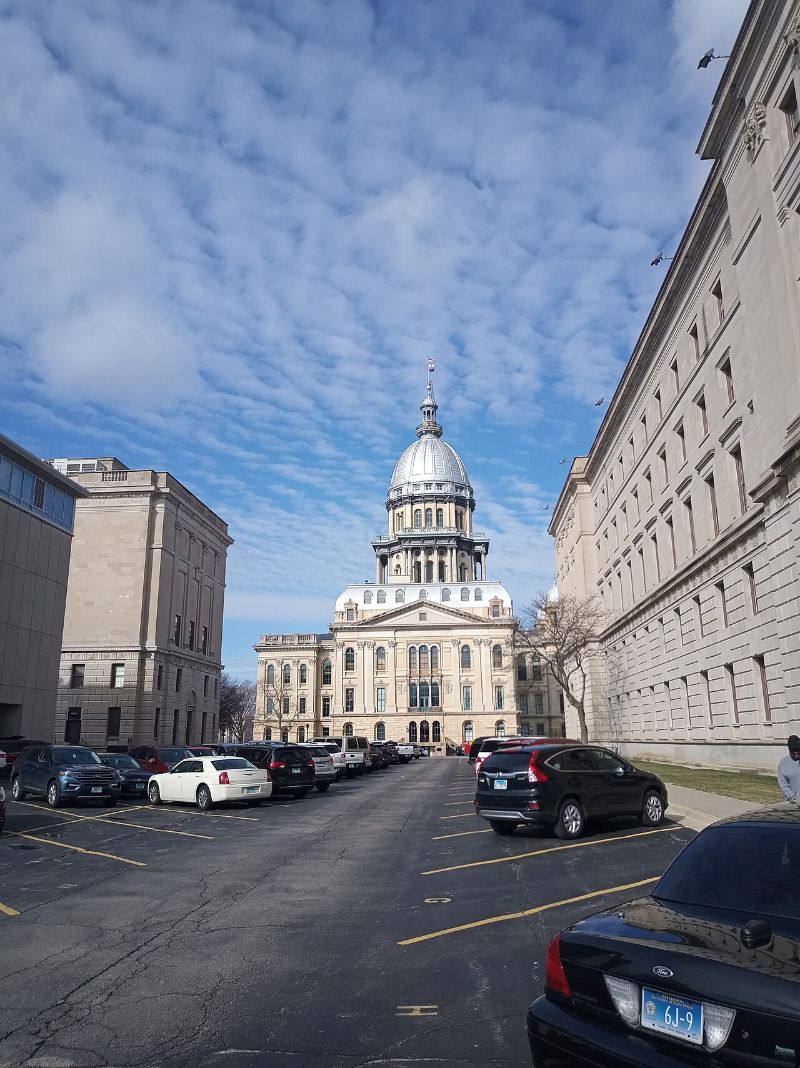
Samuel’s case went on to influence a number of future legislative considerations. States increased attention toward their own current laws, such as how end-of-life disputes like Samuel’s might be resolved and whether right-to-die support would be provided.
The Linares case did not force an outcome in the long-debated issue of right-to-die and end-of-life care for those who could not advocate for themselves, but their situation prompted further investigation that has continued to inform treatment to this day.