When it comes to football rivalries, few are more intense than the one between Argentina and Brazil. However, this competition came to a head in 1990 at the FIFA World Cup, when Brazilian defender Branco claimed that he’d gotten dizzy and disoriented after drinking from a bottle supplied by Argentina’s staff.
At first, people took his accusation as a slight against a team that had just knocked them out of contention. But years later, Argentina seemed to all but admit to the event.
This episode became known as the “holy water” scandal, but Argentina never faced any consequences. Let’s look deeper at what happened in Turin in 1990 that led to such a memorable controversy.
The World Cup Context in 1990
Argentina’s showing in the 1990 World Cup in Italy was less spectacular than audiences expected. Despite being the defending champion, Argentina lost its first match to Cameroon.
While the team did prevail over the Soviet Union, they ended in a draw against Romania, leaving them in a less-than-stellar position. However, given the rules at the time, Argentina could still advance.
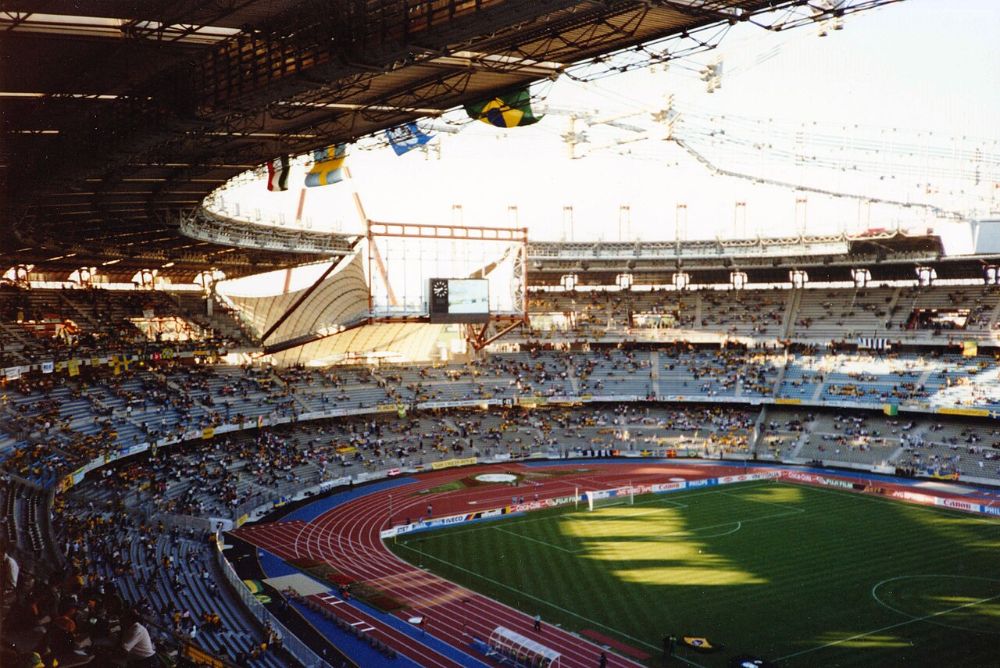
Comparatively, Brazil’s opening round went much more smoothly. The team defeated Sweden 2-1 and won over Costa Rica and Scotland. In this context, Argentina and Brazil met on June 24, both vying for a place in the quarterfinals.
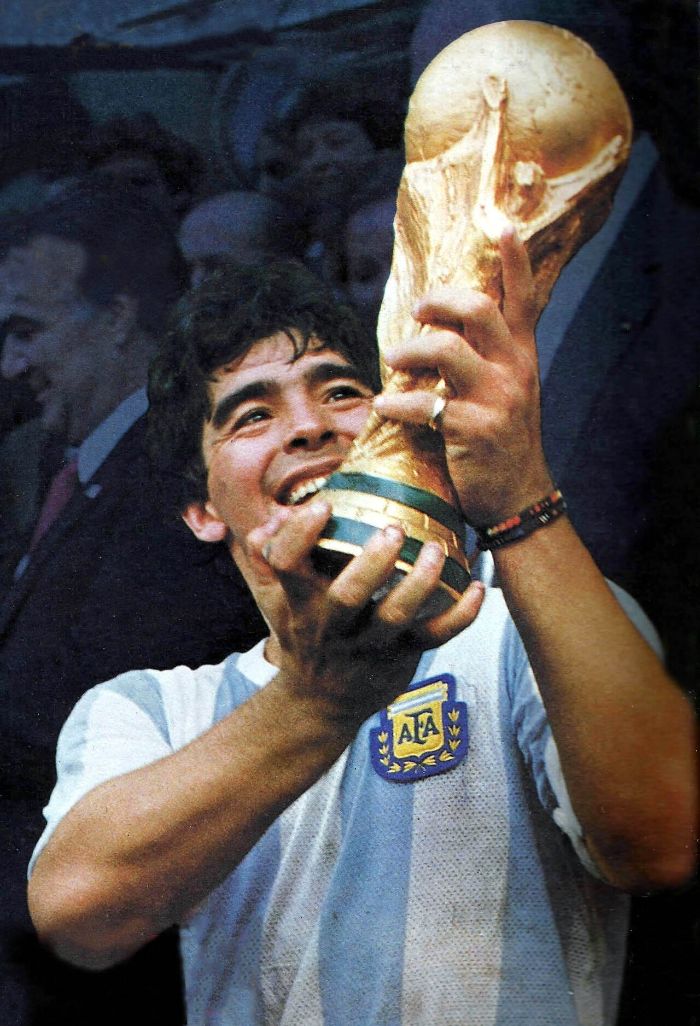
Argentina held out hope; their star player, Diego Maradona, had swept the tournament four years earlier and intended to repeat the experience. Things began to grow suspicious as the first half came to a close.
The “Poisoning” Incident
Brazil’s Ricardo Rocha and Argentina’s Pedro Troglio collided on the field, and Troglio remained down to receive treatment. During this time, players paused to take a drink. Branco, Brazil’s left-side defender (and a free-kick specialist of some note), accepted a bottle offered by Argentina.
A short while later, Branco began to feel dizzy. At halftime, he was examined by the team doctor, but Branco remained on the field. After Brazil had been eliminated — Argentina won 1–0, with Claudio Caniggia scoring late after a Maradona run — Branco spoke publicly about his experience.
While he noted the odd symptoms that he’d originally reported to the team doctor, he shared one new piece of information: that when an Argentine player was about to drink from the same container Branco had used, a staff member on Argentina’s side stopped him and offered another bottle instead.

For years afterward, the controversy remained tied to Branco’s account because no one had tested the water. Without concrete evidence of its contamination, the story remained a story and nothing more.
Rekindling the Controversy Years Later
In 2005, 15 years after the match, things changed. Argentina’s famous Maradona appeared on TV and spoke about the incident. He recalled, publicly, that Argentine staff had different bottles, and he’d even warned teammate Julio Olarticoechea away from the one that Branco ended up drinking from. Maradona claimed that someone had put Rohypnol (i.e., flunitrazepam, a sedative) in the water.
Immediately, commentary exploded. Branco had spent years accusing Argentina of the very event that Argentina’s captain now seemed to be describing, chuckling about that day on television.
Maradona and Branco had even had a good relationship prior to the match, given that Branco played club football in Italy, but their friendship was never the same afterward.
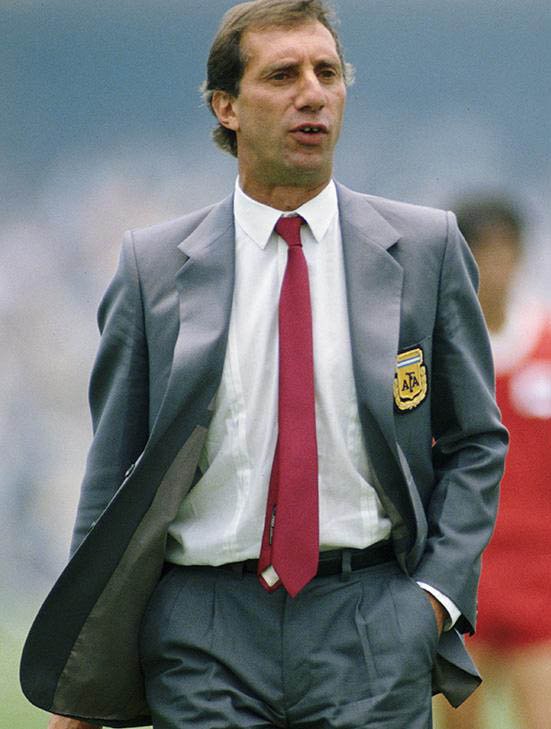
After Maradona’s commentary, the incident came to be known in Argentina as the story of agua bendita, or “holy water.” Inevitably, media attention turned toward Carlos Bilardo, the Argentine coach at the time.
His reputation preceded him as a competitive manager whose approach emphasized the exploitation of every possible advantage. Argentine detractors were quick to point out that he was also a physician, which put him in a prime position to utilize tranquilizers.
Bilardo went on to implicate the staff members who had prepared the bottle, though the public alleged that Bilardo was aware of the plan.
When the magazine Veintitrés questioned him about the possible Rohypnol in the water, he did not state that the event never happened. Rather, he said that Maradona had never identified who was responsible, and he himself didn’t know.
Were the Drinks Really Spiked?
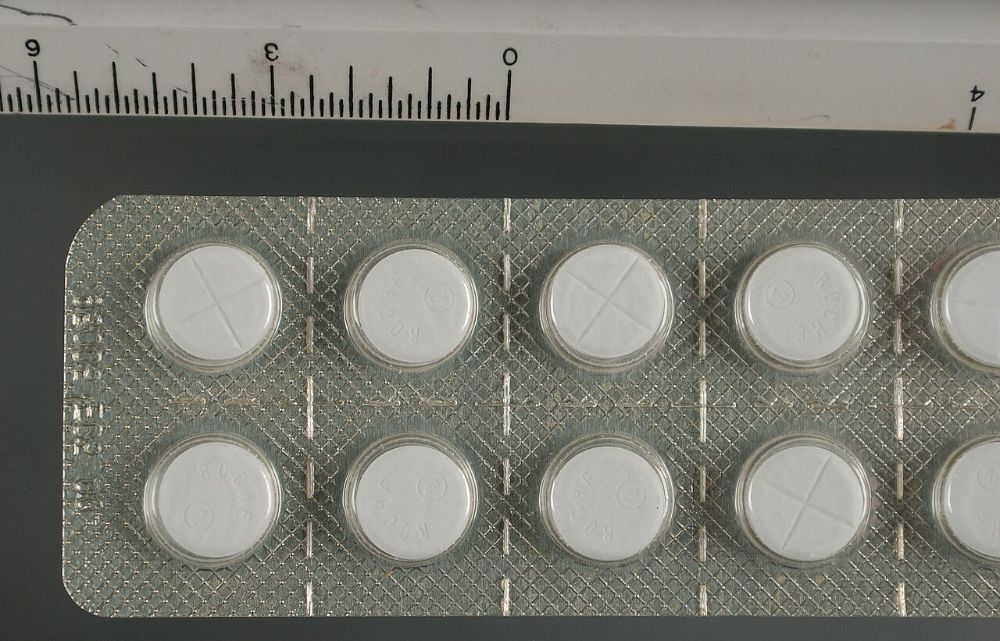
The question that lingered with the public was not who’d done it; it was whether the incident happened at all. However, no surviving sample from the match exists, and nothing was ever tested.
No toxicology report shows that Branco had flunitrazepam in his system, so the allegations rest solely on his recounting of that day and the response to it.
In general, sports historians say there is considerable evidence that a suspicious bottle existed, and that Branco drank from it.
This claim comes from numerous factors: that Branco spoke up almost immediately, that footage and photos support the overall recounting, that Maradona remembers the incident in such detail, and that Maradona never explicitly denied the allegations.
However, there is less evidence concerning what was in the bottle, if anything. Rohypnol is considered the top candidate, but it is impossible to know. It is similarly unknown whether that water cost Brazil the match, though Brazil’s supporters strongly claim so.
Brazil had been the stronger contender for much of the match up to that point, and though Branco stayed in for the duration of the game, he explicitly noted that he didn’t feel his best. Despite this, even Branco himself has been reluctant to use the incident as the sole explanation for why Brazil lost. Later, in newspaper interviews, he acknowledged that Maradona (and his compatriot, Caniggia) demonstrated exceptional football skills.
As for potential consequences for Argentina, no action was ever taken. Without forensic or toxicological evidence, the scandal had no legal basis for action.
The only thing remaining is a strong indication that something was amiss, and that something was likely at least somewhat related to a tranquilizer put inside a bottle meant for Branco. But more than three decades later, the unresolved situation is taken simply as a theory.