In 1926, in the West African colony of French Guinea, Russian zoologist Ilya Ivanov commenced experiments decades in the making. As an animal breeding specialist, he aimed to see if making a human-ape hybrid was possible.
The plan, which may seem unlikely at first, achieved support from numerous Soviet institutions and was in active development for many years. However, biology was not the only challenge facing Ivanov during this time.
The Russian political climate was unpredictable, and Ivanov was operating in an uncertain environment on multiple fronts. Despite this, he secured numerous volunteers and had made significant strides in his testing before his project fell apart.
To understand how a man could achieve financial backing for a plan to create a hybridized human, and why a plan so favored could turn sour so rapidly, it is useful to know more about Ivanov’s goal and the political state of the Soviet Union at the time.
Ilya Ivanov and His Proposed Experiment
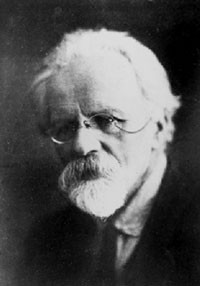
Ilya Ivanovich Ivanov graduated from Kharkov University in 1896, having received training in both biology and zoology.
Over time, his work placed him centrally within the study of animal reproduction, and his knowledge was coveted in the field of artificial insemination. While the practice existed before Ivanov, he made great strides to make the process more practical on a large scale, especially for horses.
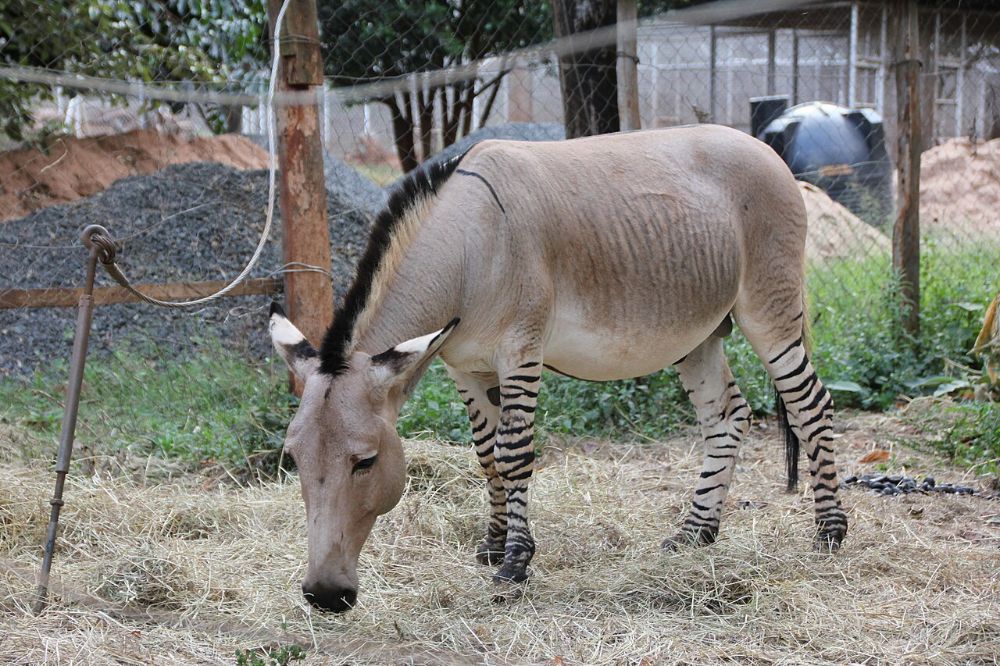
Ivanov attempted numerous animal hybridization projects (e.g., zebras and donkeys) before the one that earned him international attention.
In 1910, at the International Zoological Congress, Ivanov suggested using human sperm to impregnate a female ape. On the grounds that primates are close relatives of humans, he posited that such a feat may be possible.
Historians still debate why Ivanov received funding to pursue such an idea. At first, the government did not care to support his plans, but in September of 1925, Soviet official Nikolai Gorbunov allocated $10,000 directly through the Academy of Sciences to the project.
Some historians suggest that Ivanov leaned heavily on the Soviet state’s heightened promotion of atheism at the time; if the government could demonstrate that the biological connection between humans and animals was so strong that they could be hybridized, it may have served to undermine religious beliefs that humans were special creations in God’s image.
Eugenics and the transformation of human beings were also popular topics at the time. While more closely associated with Germany in the early 20th century, those discussions were not unique to Germany.
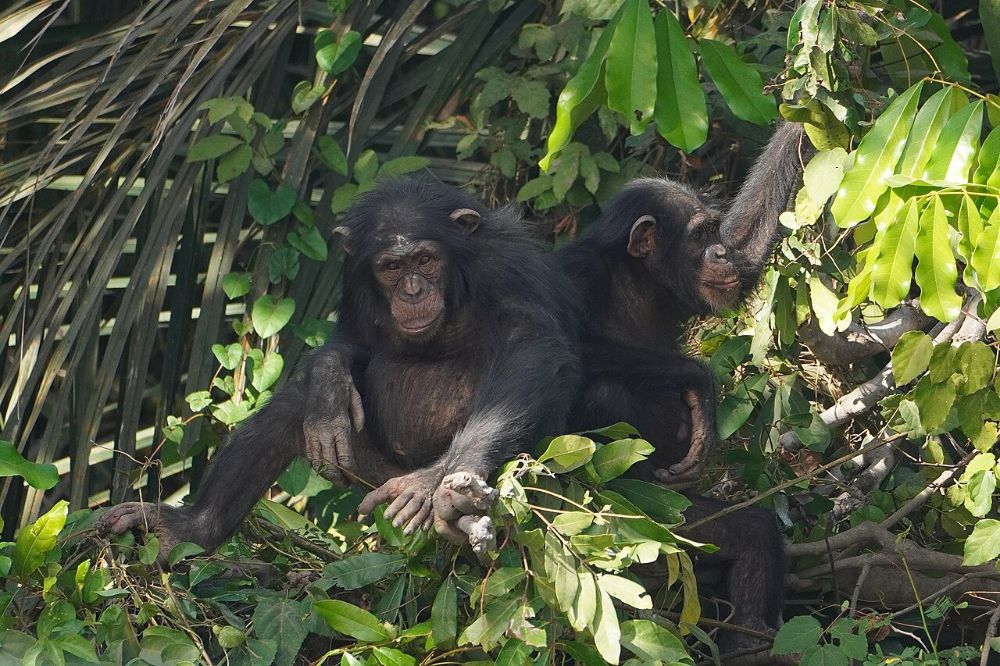
Ivanov immediately encountered challenges upon beginning his project, such as access to test subjects. He moved his work to French Guinea, but wild chimpanzees were almost exclusively captured when young, and once in captivity, their mortality rate was high.
He was forced to wait until adult female chimps could be secured. However, on February 28, 1927, he did succeed in inseminating two female chimpanzees with human sperm (and then a third a few months later).
To his disappointment, no pregnancy resulted from any of the inseminations. All three animals died after being transported from their native habitats. However, Ivanov noted that the failure did not necessarily indicate that the concept of a hybridized human was impossible.
Expanding the Experiment
Attempting to artificially inseminate a female chimpanzee was just one possibility in Ivanov’s research. After the failures of his initial hypothesis, he instead chose to move on to the parallel option: fertilizing human women with sperm from a male ape.
At first, because he was operating in French Guinea (in Africa), he explored the possibility of using African women as test subjects. Primarily, he intended to do so without consent, performing the insemination during unrelated medical procedures without telling the women. However, French colonial officials refused to allow the practice.
By the time Ivanov returned to Russia, he had moved on to seeking willing volunteers. By 1929, the Society of Materialist Biologists had announced their support of him, and thanks to their help creating a commission, calls for female volunteers began.
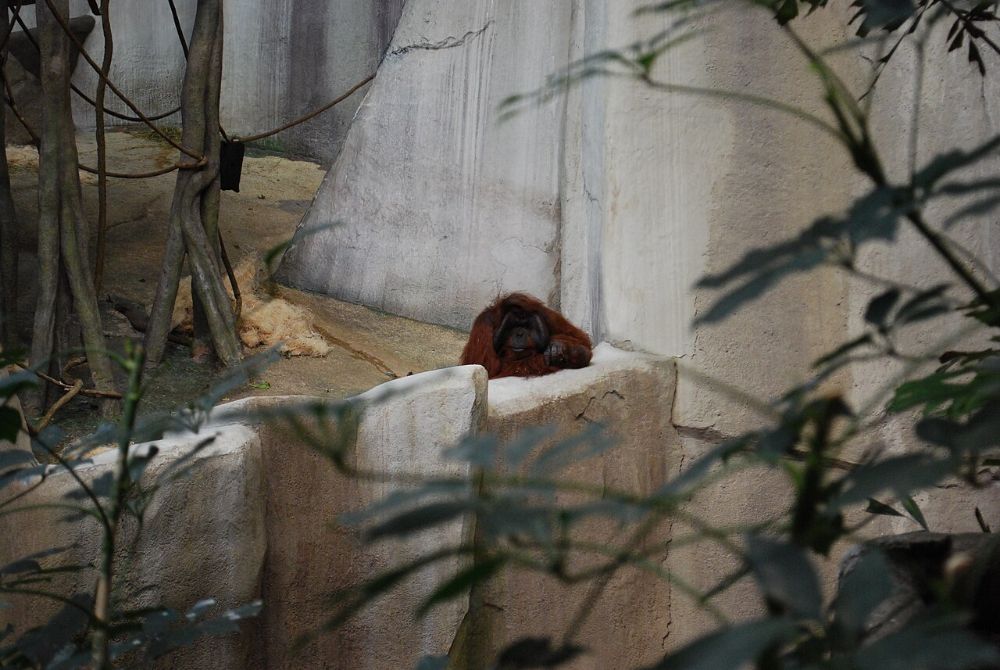
Ivanov then encountered logistical challenges. He could not acquire chimpanzees easily, and those he did receive failed to thrive and eventually died, so he was forced to make do with a 26-year-old orangutan named Tarzan. However, Tarzan died before the experiment could get underway. Tarzan proved to be Ivanov’s last hope; before he could ship in additional chimps, the Soviet climate had taken a dramatic turn.
Why Soviet Politics Ended Ivanov’s Career
Starting in 1930, Ivanov’s institutional connections collapsed. Soviet sentiments were shifting, and academic researchers fell under greater scrutiny that could see them losing their positions should they be accused of ideological or professional wrongdoing.
The ripple effects hit Ivanov almost immediately. Many people connected to him lost their jobs, and Ivanov experienced sudden and intense criticism at the veterinary institute where he worked before being arrested without warning on December 13, 1930.
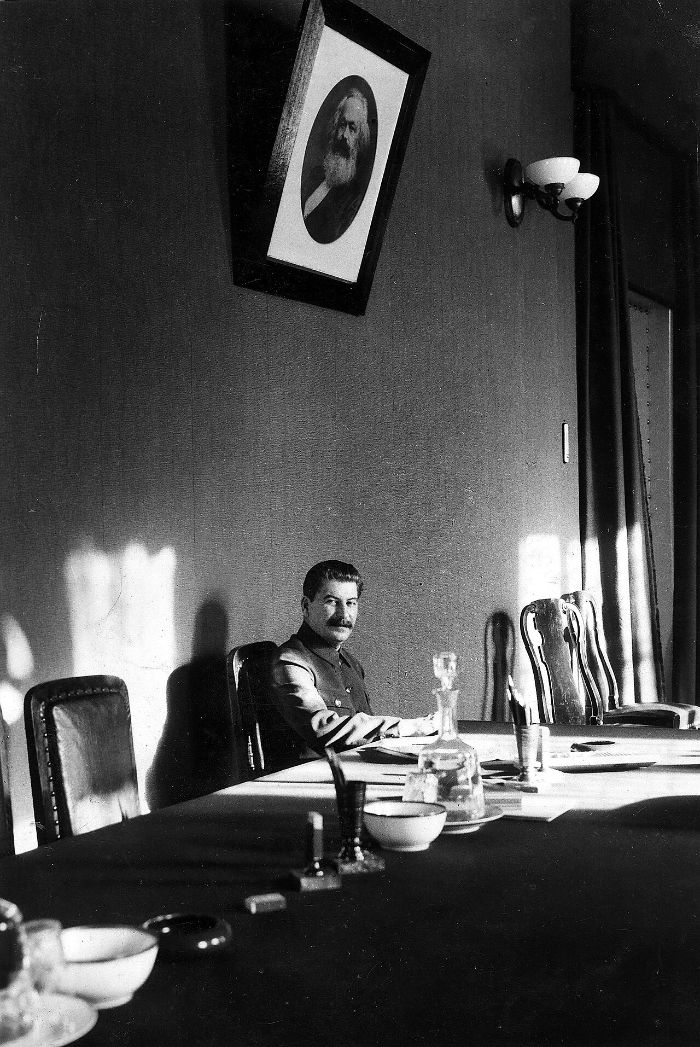
Even in the present, some people believe that Ivanov’s arrest came as a punishment for failing to create the human-ape hybrid he posited.
This theory alleges that Joseph Stalin ordered Ivanov to create powerful hybrids that could bolster the military, whether through heightened strength, decreased sensitivity to pain, reduced hunger, or other positive attributes. However, no confirmed sources exist stating that Stalin requested an “invincible” human, nor a hybridized human-primate.
Historians point out that the chronological chain of events does not support this interpretation either. Ivanov had already been speaking about his hybridization project in 1910, seven years before the Bolsheviks seized power. It would be almost a decade after the revolution before he received any funding from Soviet officials; thus, Stalin did not introduce the concept to him.
Ivanov’s experiments exist as another facet of history that has been altered in retrospect. Knowing now how the sentiments in the region developed in the 1920s, both across Europe and in Russia specifically, it becomes easier to layer meaning or intent upon a project that demonstrates no such connections.
While Ivanov’s project did not succeed, it did open the gate for increased research into artificial insemination and a more widespread study of primates that continues to inform science to this day.