The island of Chichijima, located in Japan, was a focal area of bombing missions in World War 2. Future president George H.W. Bush participated in one such mission on September 2, 1944, but his aircraft caught fire, and he was nearly captured by Japanese forces.
While Bush escaped, some of his compatriots did not. American airmen’s execution and subsequent cannibalism prompted an international investigation that led to war crimes trials on Guam.
Why did Japanese forces react the way they did at Chichijima? The answer comes down to the political and military environment at the time, Japanese ritualistic beliefs, and the reality of prolonged warfare.
The Political (and Personal) Context of Chichijima
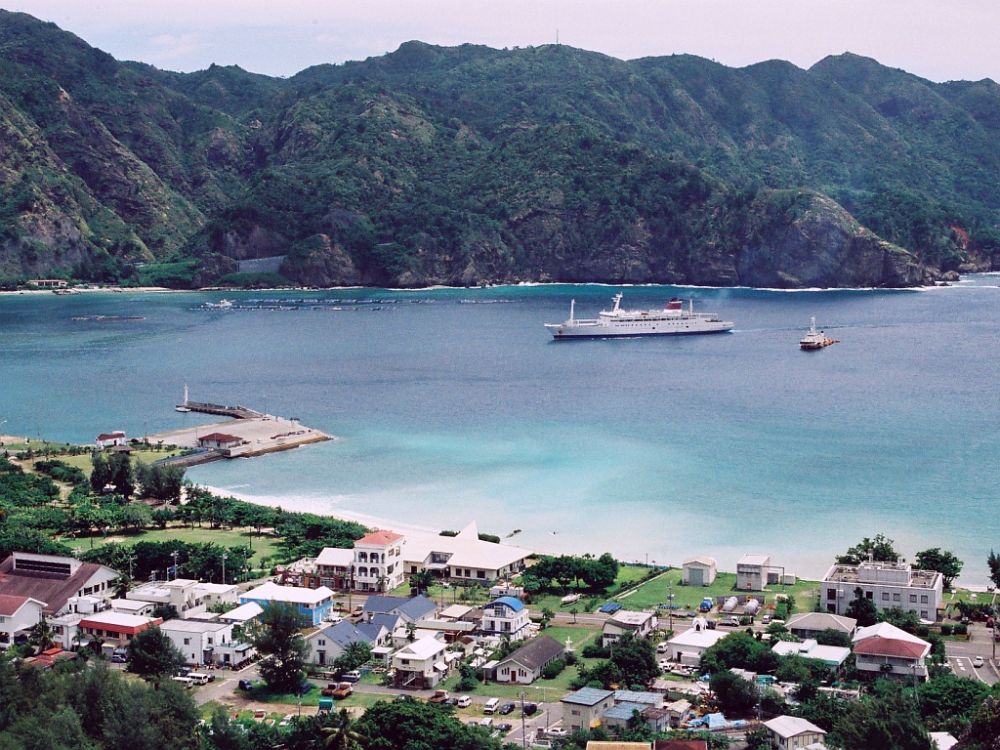
Chichijima is located in the Bonin Islands and is the largest landmass in the island chain (near the famous Iwojima). Due to its location about 600 miles southwest of Japan, Chichijima became an important position between the main Japanese islands and the areas where American forces were advancing.
A radio station at Chichijima was being used to intercept American military transmissions and provide warnings of incoming American bombing runs, which made Chichijima an even more prescient threat.
If America could eliminate an island that was compromising the secrecy of its plans, it could gain an advantage over Japan. However, Chichijima was difficult to attack from the air thanks to anti-aircraft defenses on the mountainous landscape. It was into this context that George H.W. Bush became embroiled.
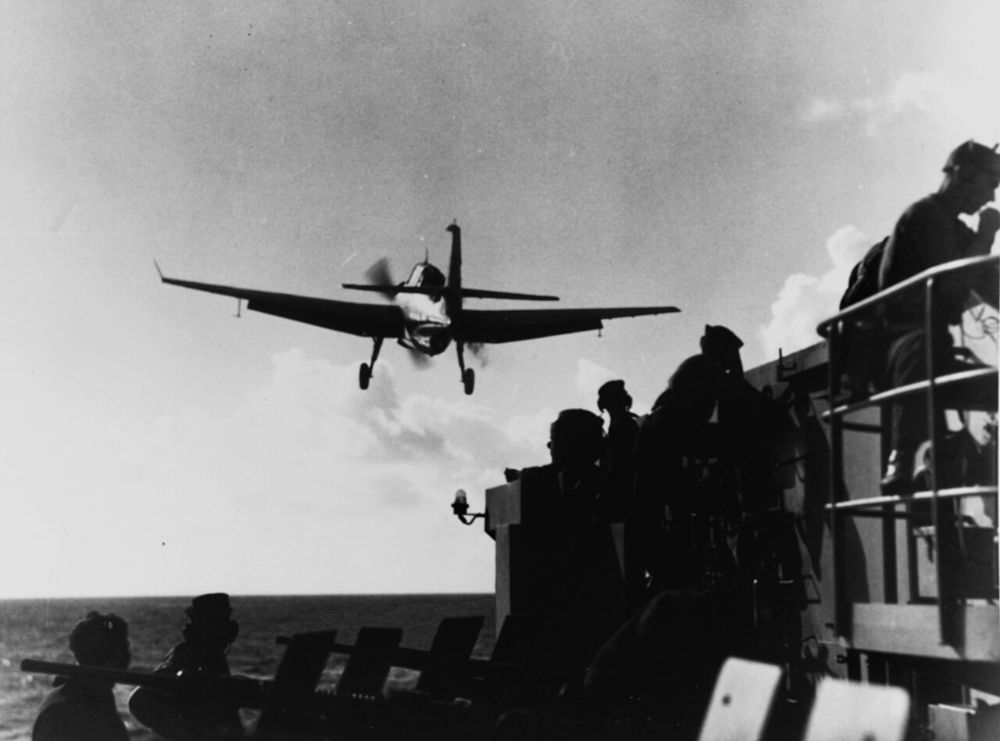
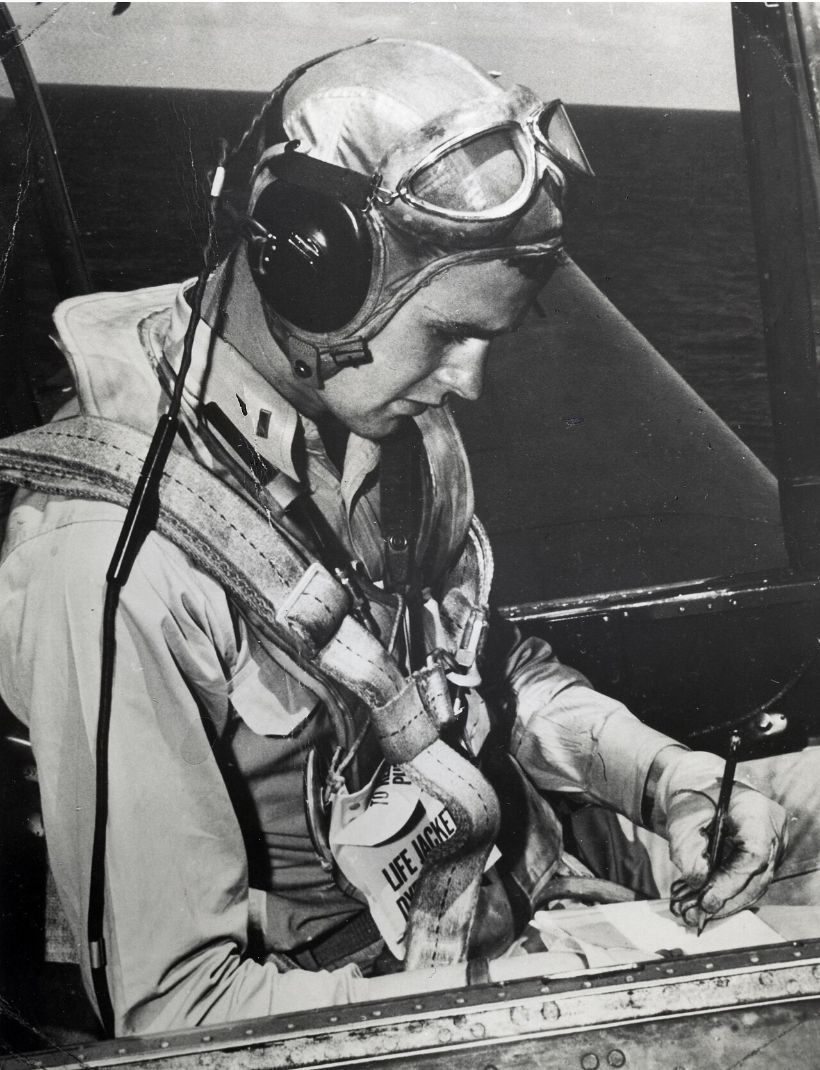
Having joined the Navy just two years prior, Bush was assigned to Torpedo Squadron 51 (also known as VT-51). This squad flew three-seat aircraft, within which Bush served as the lead alongside radioman John Delaney and substitute gunner William White.
Chichijima was not Bush’s first engagement; in fact, after sinking a Japanese cargo vessel, Bush was promoted to lieutenant junior grade just a few days before his Chichijima flight.
The Capture of American Soldiers
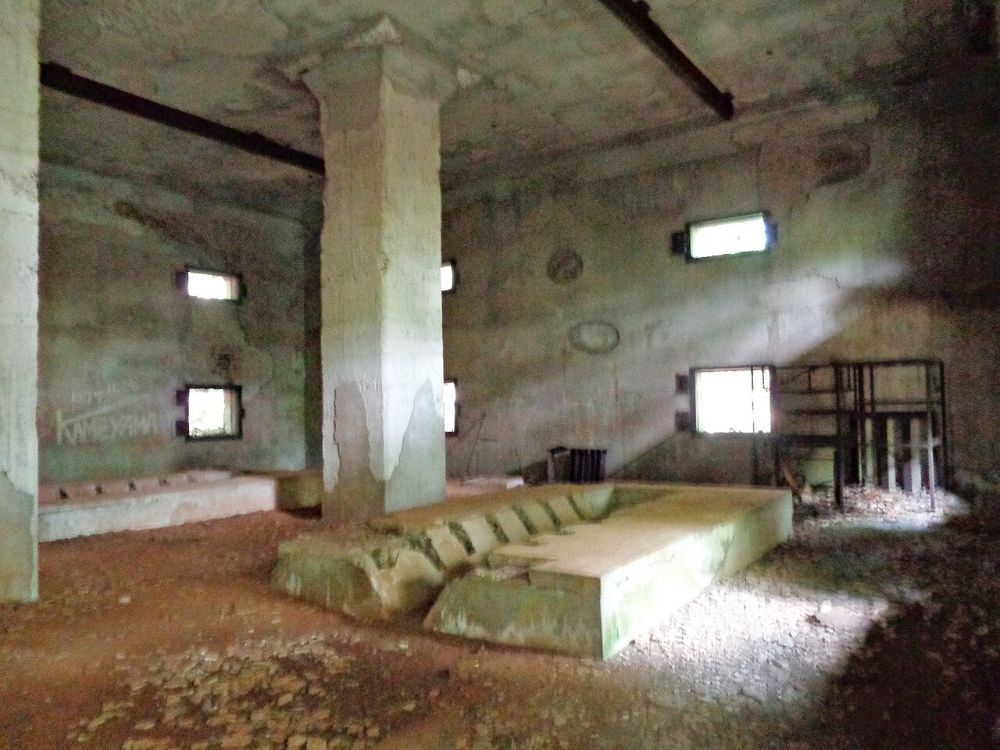
On September 2, 1944, Bush and three other VT-51 Avenger pilots approached the radio facilities on Chihijima. When the attack began, Bush’s craft (Barbara III) took anti-aircraft fire to the engine, and it burst into flames.
However, Bush continued his bombing run and succeeded in dropping his load over the target before pulling his damaged aircraft away. The act later earned him a Distinguished Flying Cross.
Unable to return to San Jacinto, the aircraft carrier to which the Barbara III belonged, Bush and his team were forced to eject from the craft.
While Bush’s parachute opened, the other man’s did not, and he fell to his death. The only other participant went down with the aircraft, though historians cannot be sure which was White and which was Delaney.
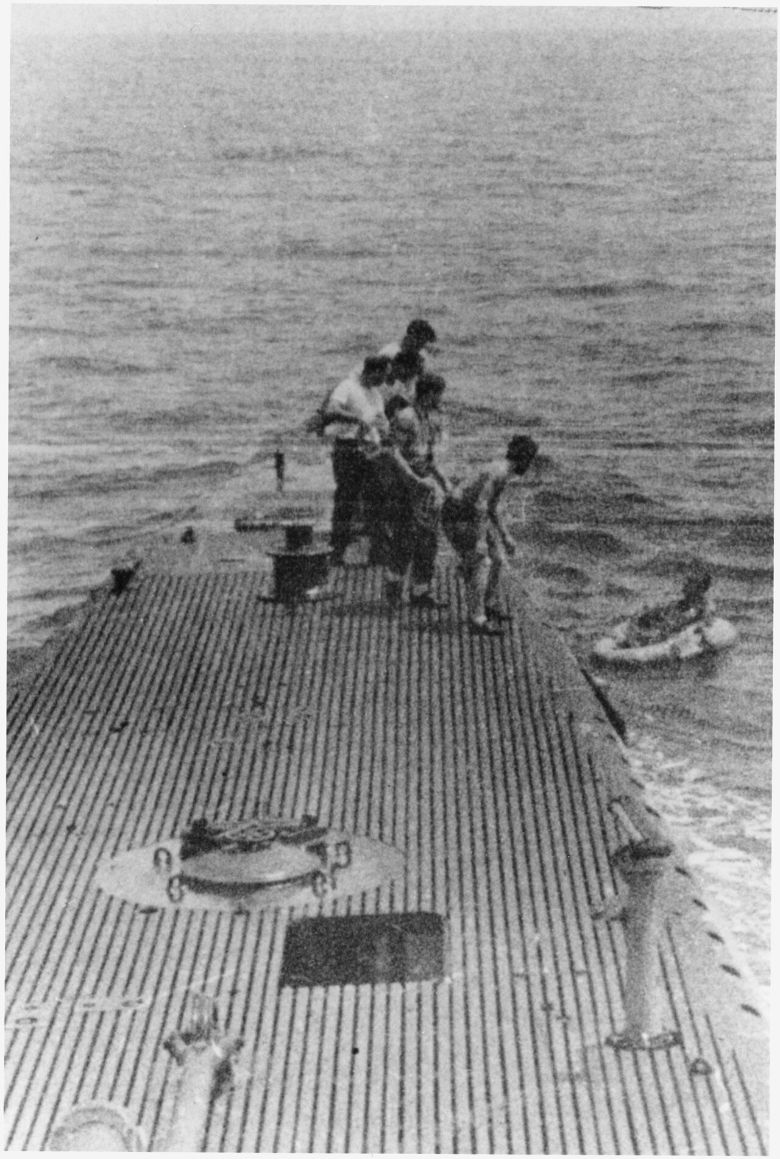
Bush sustained injuries from hitting the Barbara III upon ejection, and he awaited rescue in the water while nearby aircraft kept Japanese boats at bay.
Thankfully for Bush, submarines were assigned to lifeguarding duties near areas where aircraft carriers were commencing strikes against Japanese-held islands. In Bush’s case, the USS Finback recovered him after several hours, risking shots from Japanese shore batteries. He remained on the Finback for around a month afterward.
Meanwhile, Bush was not the only American shot down near Chichijima, and many were not recovered by lifeguard subs.
Between August 1944 and March 1945, eight American airmen were recorded captured by Japanese forces, all of whom were executed. However, four of them had been cannibalized after death. American forces were unaware of this at the time, discovering the truth only after Japan’s surrender.
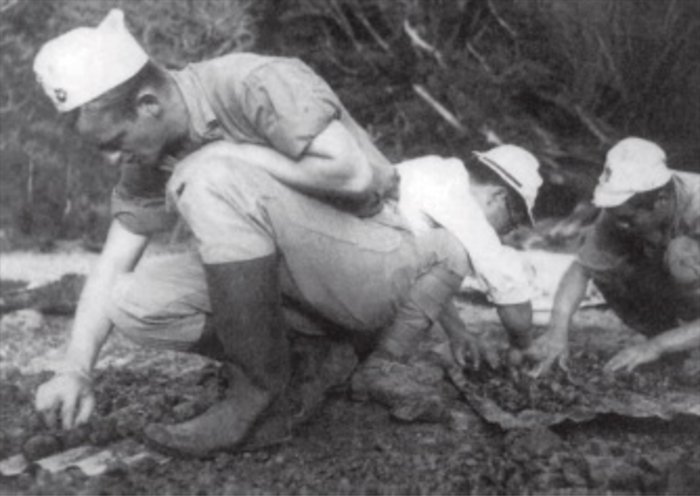
Over the eight months that followed, investigators questioned more than 120 witnesses and gathered almost 1,000 pages of evidence. Among this evidence was an organized effort to conceal the killings, led at least in part by Major Yoshitaka Horie, a senior staff officer.
He originally claimed that the prisoners had died during bombing attacks, but he later admitted that this story was not true. Further testimony from other participants confirmed that this was a deliberate front to dissuade further investigation.
Horie implicated Lieutenant General Yoshio Tachibana, who he alleged had ordered records concerning the Americans to be destroyed. With him, Major Sueo Matoba helped to construct the “bombing attack” falsehood explaining the deaths, and he was the one who at last admitted that some of the Americans had been cannibalized despite their attempts to convince the American investigators otherwise.
Why did the Japanese forces resort to cannibalism? The answer is multifaceted, but perhaps the most notable factor was supply line challenges on the Japanese side.
Chichijima, as well as other distant islands, were already facing issues with consistent supply runs. Add the complex terrain, and the soldiers did not consistently have access to food. The Bonins later became blockaded, eliminating access to fresh meat.
In addition, Matoba (at least) cited ritualistic beliefs as a driver behind the decision. He boasted that enemy bombs would not be able to hurt him because he’d eaten his enemy. The livers, especially, were cut from the bodies soon after death, with flesh from the legs being used for the lower officers.
After the war, the Guam War Crimes Trial began. However, the cannibalism aspect caused some surprising issues. Both military and international law had not explicitly noted the criminal nature of cannibalism; many people credit this to the “assumption” that cannibalism was prohibited and thus did not need to be included or had been overlooked. As a result, prosecutors could not directly try the parties on this count.
Instead, prosecutors focused on the treatment of the bodies, citing the prevention of honorable burial. Thirteen of fourteen defendants were found guilty, and among them, Tachibana and two others were executed.
As for George H.W. Bush, he continued to serve, completing a total of 58 combat missions. Many of the surviving officers of the Finback later participated in Bush’s 1989 presidential inaugural parade.