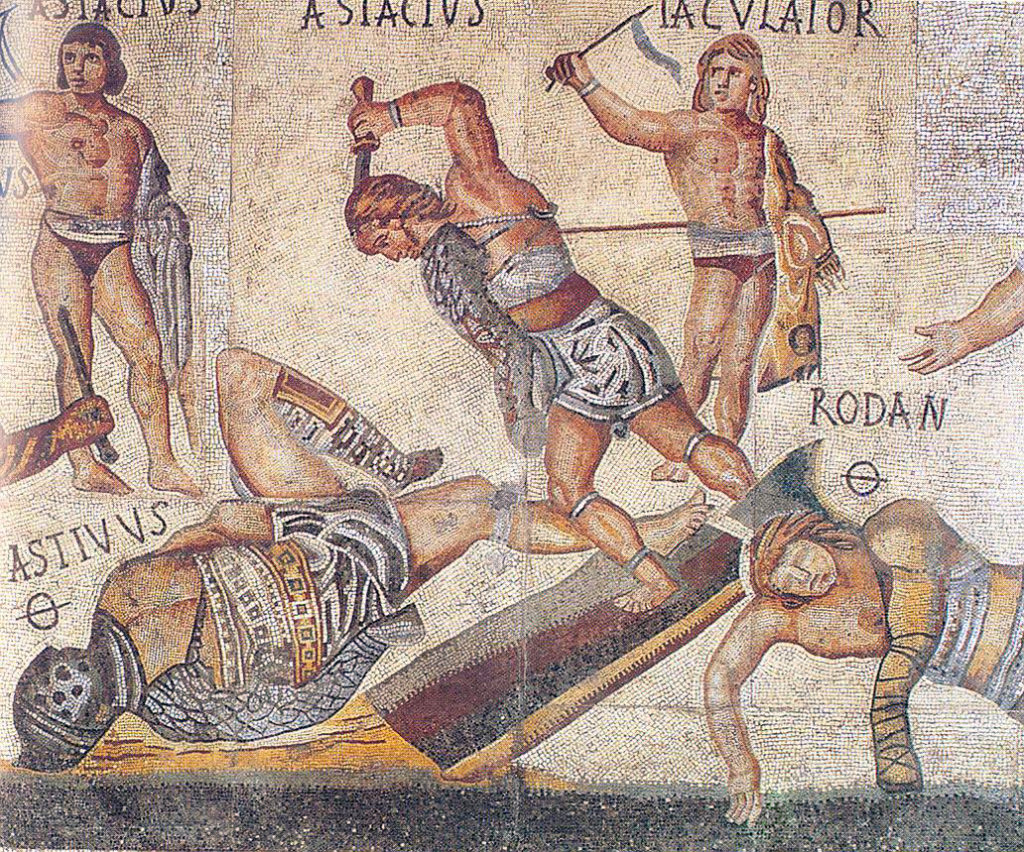
Anyone who has watched a movie about gladiators has likely come across the same type of scene: two warriors fighting in a sandy pit, after which one falls and raises a hand in surrender. The emperor, watching from a luxurious seat or box, extends his thumb to decide whether the defeated man lives or dies.
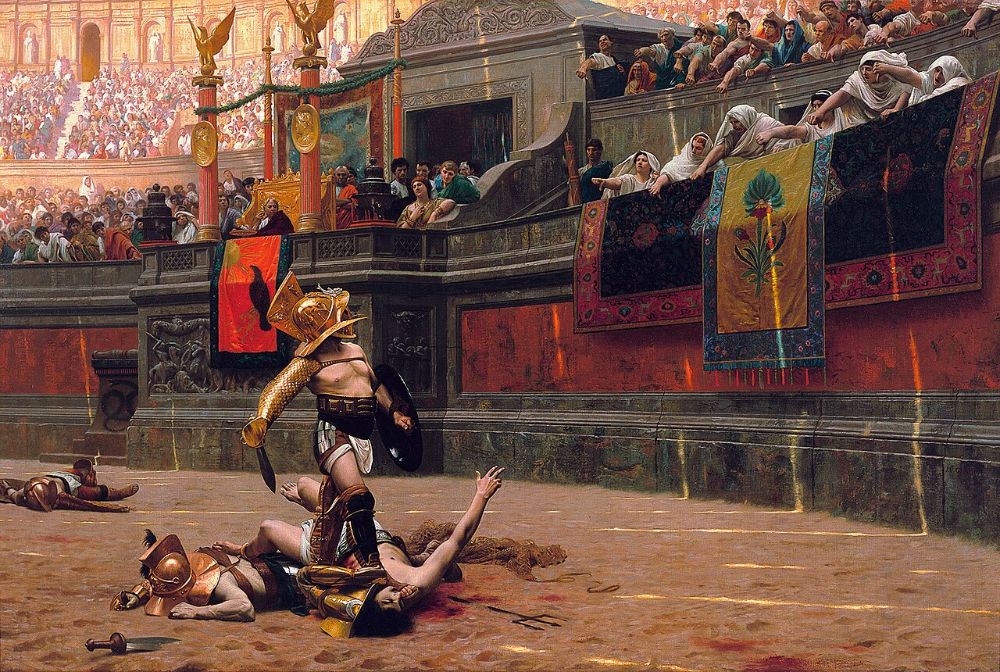
Historians do not question whether the Roman arena was a deadly place. They do, however, consistently push back against the modern concept that gladiatorial combat continued until one participant was dead. The reality is that death was not the required conclusion of every match; in fact, constant loss of gladiators cost their superiors money. Thus, the gladiator arena was a more complex institution than it is usually given credit for.
Understanding Roman Gladiatorial Combat
Gladiators were not always criminals pulled from the street or individuals sentenced to death. While this did happen (and forms a large part of the belief that gladiatorial combat was inherently a death sentence), gladiators were actually trained combat specialists. They fought in recognized combat categories classified by their weapons, armor, and techniques.
For example, the murmillo carried a large, rectangular shield and a short sword. The retiarius exchanged this massive shield for light armor, improving mobility as they sought to entangle their opponent in a weighted net or pierce them with a trident. In response, gladiator schools created the secutor class, which was meant to specifically counter the retiarius and wore a smooth helmet to give the weighted net fewer places to tangle and capture them.
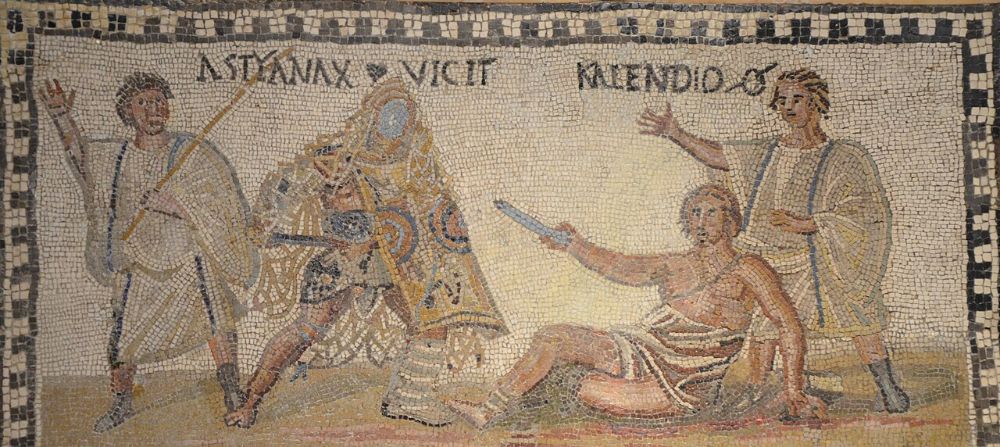
A lanista, who purchased and trained gladiators, housed them at the lanista’s own personal expense in order to build their endurance and educate them on the techniques associated with their assigned categories. For a lanista, maintaining a gladiator who had achieved popularity (such as a recognizable stage name or a particular reputation) boosted the value of their stock.
Because of the investment in these warriors, lanista did not want to see their gladiators die. A surviving gladiator could continue to fight, but one killed in combat would need to be replaced via a new, purchased fighter.
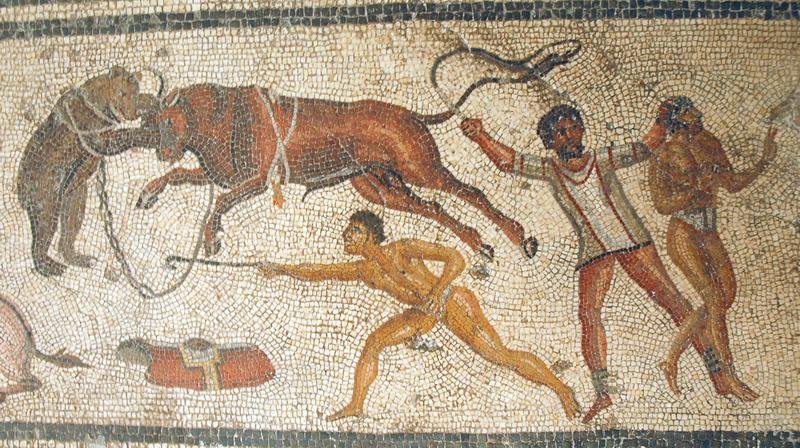
One-versus-one combat, as commonly portrayed in modern media, was just one of many potential gladiatorial events. Some gladiators, called venatores, fought wild animals, while others participated in elaborate reconstructions of military encounters or mythology.
Alongside these were the events most modern people are familiar with: executions. A person sentenced ad bestias would be forced to fight wild animals, and ad gladium meant combat against a sword-wielder. In these battles, death was their sentence being carried out before a crowd, not a potential penalty for failure.
Why Do People Think Gladiators Fought to the Death?
The common misconception that gladiatorial combat was expected to result in death can be traced to numerous sources. Most likely, it is because regular gladiator combat (for sport and entertainment) was common and thus not noteworthy.
Conversely, famous criminals or especially memorable or cruel executions pushed the death narrative forward, as these events were highlighted in greater detail for their rarity or publicity.
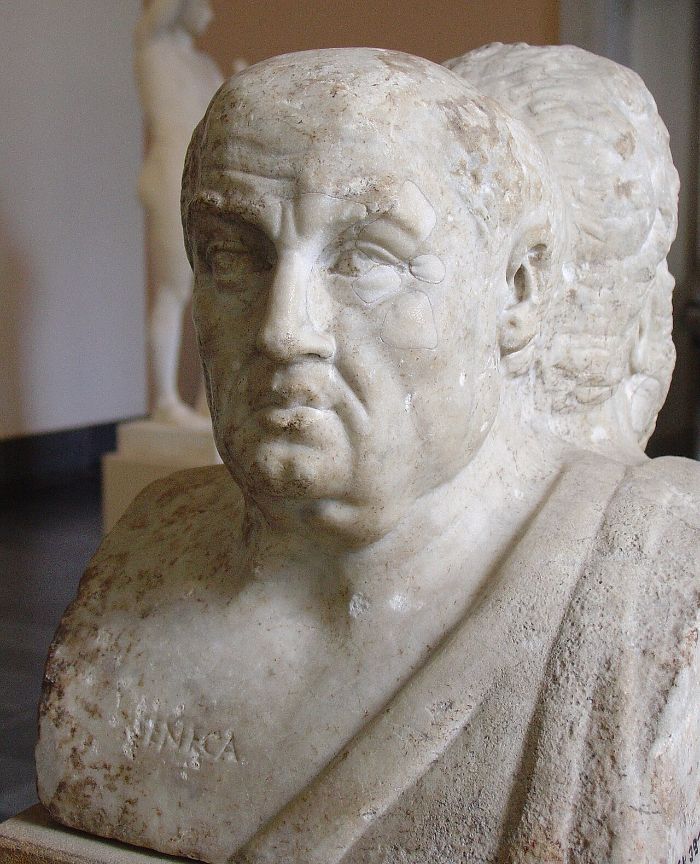
Another reason people tend to associate gladiators with death is because of the prevalent Roman idea of a “good death.” This does not mean that gladiators were expected to die.
Rather, it means that according to Roman morality, if a condemned gladiator was ordered to die, they should accept that outcome without panic. Seneca used this submission as a philosophical example of courage.
What Happened When a Gladiator Lost?
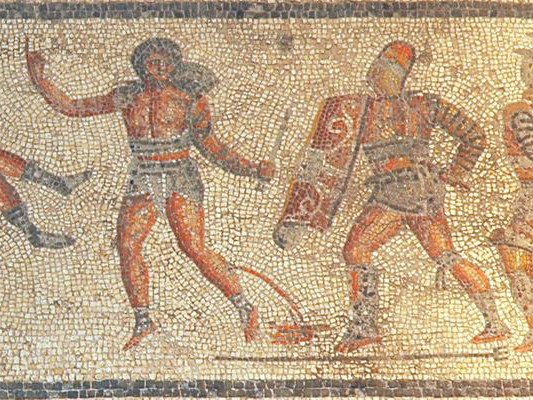
Death was not the only potential outcome of a gladiator’s combat challenge, but it was not uncommon. If a gladiator lost but did not die, they might hold up a single finger to appeal for adjudication. The opponent was expected to wait until the person presiding over the event (called an editor or munerarius) determined the outcome.
The audience was free to weigh in on this decision. The sponsor of the event depended on public approval, so it behooved them to consider the crowd’s stance (e.g., demanding reprieve for a fighter who had performed well, calling for the execution of one who was considered a disappointment).
It’s this decision during a pause in the match that fed the narrative about the famous “thumb signal”: modern depictions suggest that a raised thumb meant that the gladiator should offer mercy, while a downturned one instructed the victorious gladiator to kill his opponent.
Most likely, this image is a combination of the one-finger motion of a defeated fighter combined with the adjudicator’s decision on life or death. It is also described once, by Gérôme, who noted the crowd’s thumbs-down after a particular loss.
It is not necessarily true that each gladiatorial combat came with an obvious loser. Sometimes, multiple participants were granted reprieve and allowed to leave. However, death remained common, with modern scholars putting the estimated mortality at about one in ten participants.
In other words, in a series of one-versus-one matches, the audience could expect a death in roughly one match out of five. It is likely that this number increased over time, as later periods were known for a gradual decline in mercy and ever-increasing focus on spectacle.
Because standard combat had become commonplace, organizers sought to increase public appeal and interest, which resulted in escalating severity, brutality, and danger with a lower likelihood of reprieve.
At the time, small pockets of moralists disagreed with the gladiatorial spectacle, but not always for the same reasons. Some feared what exposure to such violence did to the spectator, alleging that it fostered cruelty, emotional instability, mob behavior, and political corruption.
Seneca the Younger was prime among these critics, but Cicero also pushed back, albeit with less hostility. His point primarily centered on Roman shame: if people who were considered dishonorable (e.g., criminals) could display greater fortitude in the arena than the average Roman man, how much more dishonorable must the common man be?
Though the reality of Roman gladiatorial combat is more complex than most modern representations, the truth is that death was still a frequent outcome. Historians do not contest that fact; they encourage a more nuanced understanding instead.