World War I, which began in 1914, marked one of the most notable military conflicts in history. At the start of the war, the government of Iran (which was then known as Persia) declared the country a neutral party in the war. However, the country was far from insulated from the destruction that followed.
In fact, Persia quickly became one of the most devastated regions, from the effects that foreign armies had as they marched through to famine and disease resulting from international supply chain struggles.
Lacking international humanitarian aid to help support the country during the crisis, Persia suffered a massive number of deaths outside of conflict fatalities.
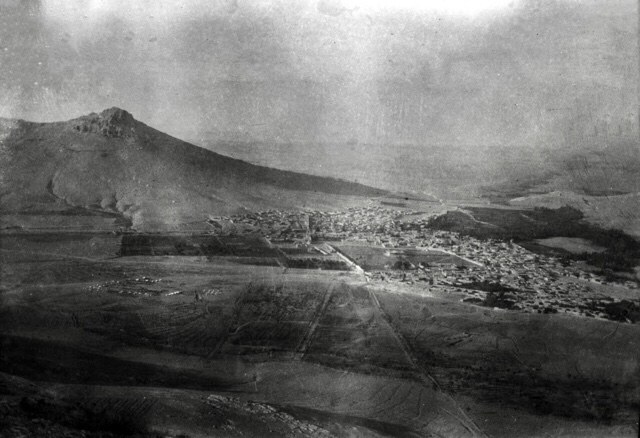
Some historians argue that Persia experienced the highest death toll of any country during the war. The strongest version of that case, made by the historian Mohammad Gholi Majd, puts the figure at eight to ten million and is rejected by most specialists in the period.
But the reality remains: Persia suffered greatly and saw massive loss of life. To understand how and why Persia’s neutrality did not save its citizens, as well as why historians can’t agree, it is helpful to begin by evaluating the structural, political, and even environmental factors that contributed.
Persia’s decline was a multifaceted issue that, while unique to that region and time, could repeat in many areas of the world that currently face similar challenges.
Persia as a Neutral Battleground
The Qajar dynasty ruled Persia in the early 1900s, and it was based upon this regime that Persia’s role in WWI developed. The Qajar dynasty was limited in its central authority and heavily influenced by foreign powers. In fact, tribal leaders and local groups such as the Bakhtiari and Qashqai dominated the country’s politics.
Within this environment, the Persian Constitutional Revolution pushed for a parliament to reform the political landscape. While the revolution did succeed, it did not result in the cohesive state desired. Parliament existed, but the structure of divided control remained, and the new government was mostly a suggestion.
Some local leaders favored cooperation with the British or Russians, seeing their larger and more organized forces as sources of stability. Others attempted to ally with Central Powers such as Germany in hopes of countering the dominance of Britain and Russia in the region.
Because of such divided attention, policy decisions often ended up being shaped by external pressures acting on the decision-makers rather than any domestic consensus. In fact, the common people of Persia had essentially no say in what occurred during the war.
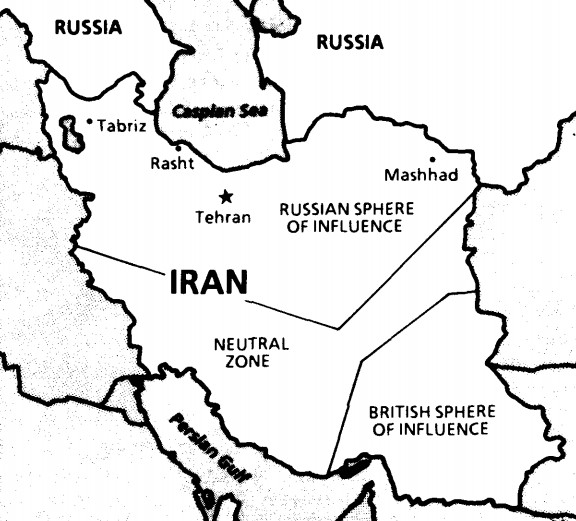
Because of the Anglo-Russian Convention, Persia was divided into three zones: a Russian sphere across the north, a British sphere in the southeast, and a large neutral zone between them that included the oil-bearing southwest.
This rivalry between the two powers, called the “Great Game,” had formerly revolved around attempts to influence Central Asia and protect British India. The agreement bound Britain and Russia to each other, but Persia was never a party to it and was never asked to consent. Enforcement on the ground was minimal, if it existed at all.
While Persia remained “independent,” the reality was that it lacked significant power. This is essential in understanding the WWI situation, as Persia was not a strong state capable of exerting any real power once the war started.
Persia’s location within reach of the Ottoman Empire, the Russian Empire, and British territories made it appealing both militarily and economically. Thus, when it declared neutrality, the declaration had little effect; the lack of a strong central government left enforcement all but impossible. Armies moved through freely, often without concern for the locals they impacted.
Persia became both a battlefield and staging ground for numerous powers. And with the need for oil increasing notably to fuel war efforts, British forces worked to secure oil installations tied to the Anglo-Persian Oil Company at the expense of the people living nearby.
Military Movement and the Economy
Persia did not escape unscathed from the foreign powers within its borders. Soldiers seized food and supplies from the locals, and while this practice was common even in other locations, it was especially prevalent in Persia, where the government did not have the structure to fight back and some regions, ruled by local powers, were less equipped to resist than others.
Numerous militaries that traveled through Persia moved on foot and by pack animal, requisitioning draught animals as they went and driving columns across unpaved routes and planted fields, leading to significant infrastructure damage and the destruction of agricultural lands.
This would later stymie the reception of supplies and the growth of food, which would contribute to Persian deaths even after the war proper had ended.
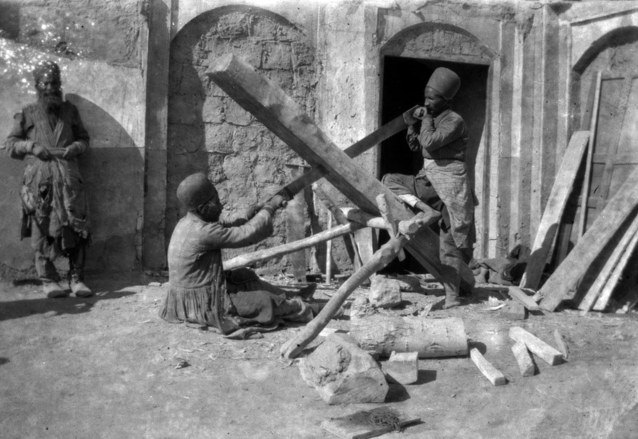
In addition, waves of internal refugees put pressure on locations where food and resources did still exist. Those fleeing combat zones lost what they had and put additional strain on systems that already struggled to support the people local to them.
The stress of all these factors combined pushed regional factions and tribal groups to fight among themselves or ally themselves with one (or more) of the foreign powers influencing the area.
All of these challenges together eroded the fraught economic and social structures holding Persia together. By the middle of the war, the disruption was so intense that it began affecting basic needs for a large portion of the population.
Trade routes all but collapsed from a combination of destroyed roads, ruined agriculture, and the general wartime disruption of supplies. The resulting shortage of goods drove prices up, and many families could no longer afford the basics.
In other words, access to food and essential goods shrank while the demand for them rose. Markets were unpredictable, and the economy collapsed.
The Persian Famine of 1917
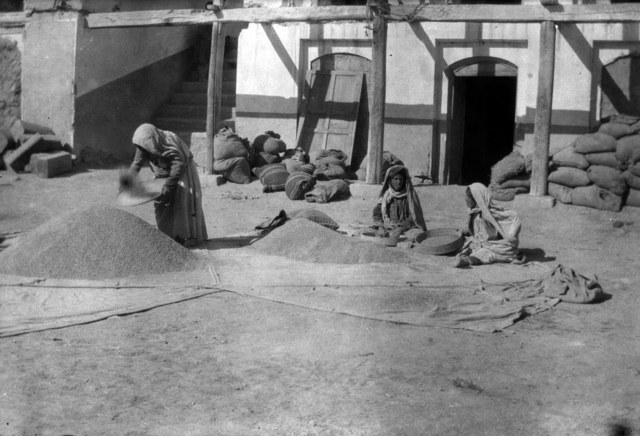
From 1917 to 1919, Persia descended into a severe famine. The causes, as noted previously, were many. Transport breakdown, requisitioning common in wartime, agricultural disruption, a dysfunctional market made worse by the war, and more all contributed. Additionally, some historians posit that British policies responsible for controlling grain distribution (to prioritize the needs of the military and not the locals) worsened the problem. Majd goes further and reads the famine as deliberate policy, an interpretation most historians of the period do not accept.
This is the portion of history where historians increasingly begin to diverge with regard to the total number of deaths in Persia attributable to the war. For some, this is the tipping point that leads to the claim that Persia had the highest fatality rate of any location in World War I.
One of the biggest challenges in determining the deaths that occurred as a result of the famine is that demographic data is difficult to come by from this period. Some put the number of deaths in the millions.
But why did no one help? In the scope of wartime experiences around the globe, the response to Persia’s plight was comparatively negligible. In contrast to Belgium and other countries, which were the recipients of frequent humanitarian assistance, few rushed to the aid of Persia.
The majority of the limited aid Persia received came from missionaries, local charities, ad hoc initiatives, and community collaboration. As with the government’s struggle to respond to the famine, Persia’s fragmentation made dispersion of whatever aid the country did receive a challenge.
The military operations in the area limited charity access even if such groups were available to help. However, the main issue was simply that the primary actors in the war had to prioritize their own strategic objectives over the plight of the Persians.
Additional Factors Leading to Fatality
In addition to famine, other challenges increased the death toll. As famine weakened the population, people became more vulnerable to disease. Cholera, numerous infectious diseases, and typhus all raged through areas where people collected, which was a more common occurrence as refugees fled war-stricken areas.
At the same time, the Spanish flu pandemic crept into Persia. While the Spanish flu was severe enough on its own, the additional factor of frequent Persian malnutrition spiked mortality sharply.
In this sense, the rising death toll came from factors that compounded one another and fed a vicious cycle. Simultaneously, the Qajar government foundered in its approach to handling the crisis.
The government exerted only limited control over Persia’s many regions, so a coordinated response to both disease and famine quickly fell apart. Economic collapse reduced the state’s ability to respond at all, and when it did respond, foreign interference influenced or directly undermined those decisions.
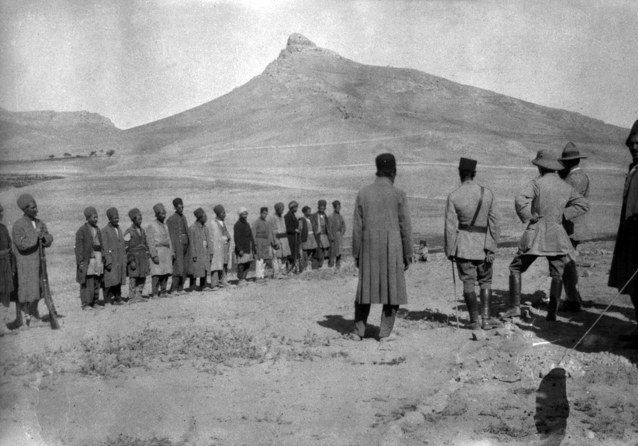
The death toll did not rise equally across all of Persia. In northern Persia, which existed under Russian influence, Russian forces were consistently present, especially in key cities such as Tabriz.
Locals were frequently subject to occupations and subsequent withdrawals only for their towns to be occupied again shortly after. The Russian Revolution fed into this unpredictability.
The British in southern Persia focused more on infrastructure. Protection of oil was among the highest priorities, as was keeping imperial communication routes open.
At this time, the Royal Navy was transitioning from coal to oil fuel, and the Anglo-Persian Oil Company held the key to consistent production. Thus, the southern and southwestern portions of Persia became some of the most strategically valuable.
In many cases, the British gutted local autonomy to secure pipelines and refineries, as well as the routes to transport the oil. In order to support their wartime efforts despite attention being divided in this way, the British recruited units locally and used them to suppress unrest.
The economic strangulation from foreign powers was felt most intensely in this region, even though it was further from the active military zone.
One region not yet mentioned is the western frontier, where Persia bordered the Ottoman Empire. This region experienced frequent and often violent conflict as Ottomans rushed into Persia to confront Russian forces. Attentions were turned toward mobilizing local Muslim populations where possible, and this, combined with the frequent military confrontations, left civilian casualties especially high.
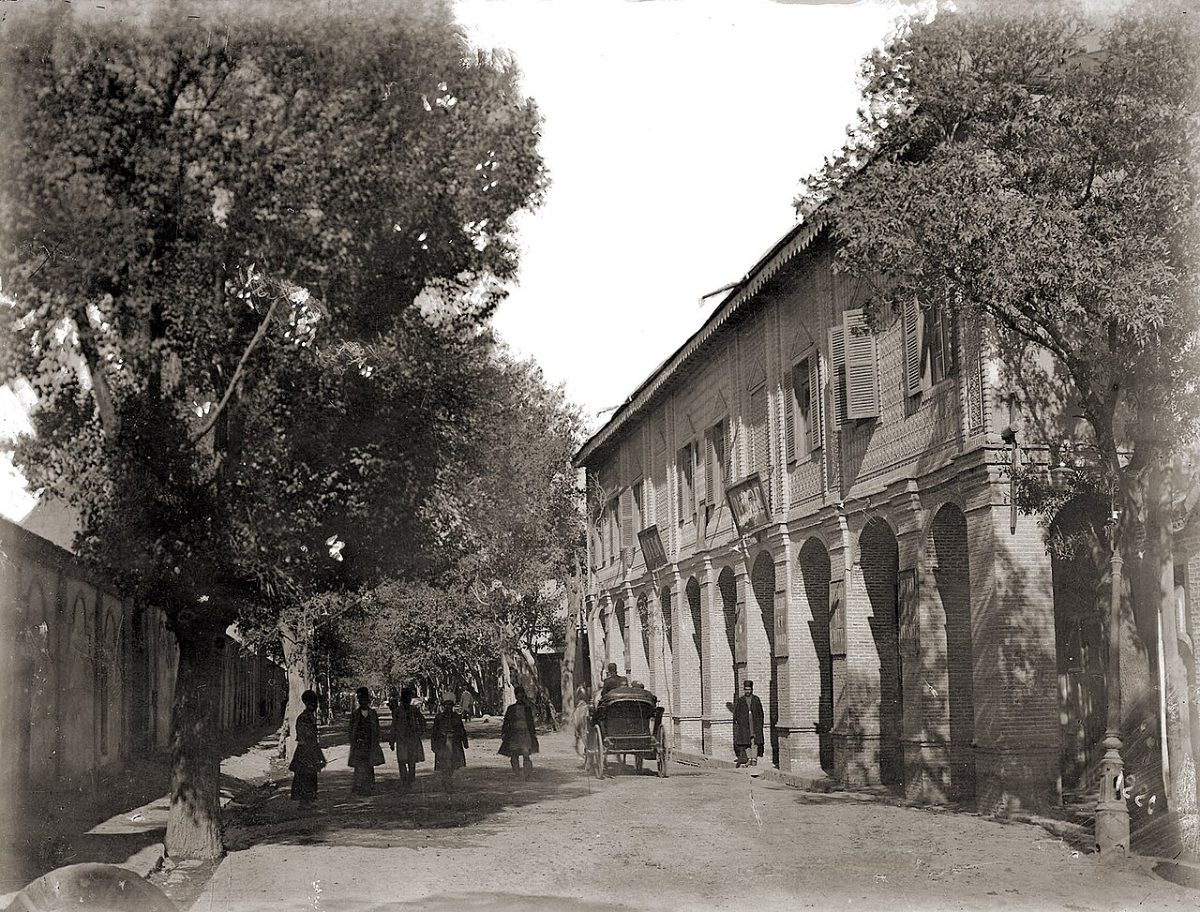
Tehran, serving as one of the most essential locations in the country, was under still different pressures. Political instability and severe inflation led to sudden and intense hardship for residents, even though military conflict was minimal or absent.
The Final Death Toll
Reaching a consensus on the number of people who died in Persia during World War I has proven to be a challenge. Historians differ, sometimes widely, in their thoughts. In general, a few specific factors muddy the waters.
First, census data from this time is sorely lacking. Without sufficient demographic information, mortality rates must be established in other ways. Additionally, as the population was displaced, some people may have been counted more than once, or those who left may not have been counted at all.
When considering deaths attributable to World War I, another factor to consider is what counts as a fatality related to the war. Conflict-related deaths are the baseline of inclusion, but what about those who succumbed to disease? Those who perished from famine? Does the destruction of agricultural land due to military passage, which impacted agriculture that contributed to famine, count as a war cause or a regional cause? Numbers can change by millions depending on how these deaths are categorized.
In general, the wartime deaths in Persia are agreed to be anywhere from slightly less than one million to several million. Some historians who support the higher number in that range suggest that Persia may have lost somewhere between a tenth and a fifth of its entire population, which makes Persia similar in losses to countries such as Serbia that were heavily involved in the war.
Similarly, the Ottoman Empire also faced famine and displacement, and like Persia, its internal political climate was in many cases divided.
However, it is important to remember that the data corroborating the deaths in Serbia is much more available. Persia’s, by contrast, are in many ways speculative. Regardless of just how many lives were lost, what remains true is that Persia suffered mortality on a scale that devastated its population, and its stance of neutrality did very little, if anything, to minimize these losses.
The conditions that resulted in the significant number of deaths in Persia were unique to that region at that time, but this does not mean that such a situation could not occur again. Many regions of the world are susceptible to the same level of political disruption, coupled with economic and international strain, that led to such a notable rise in mortality. By examining what caused the Persians to suffer in the way they did, it is possible to learn from and avoid such loss of life in the future.