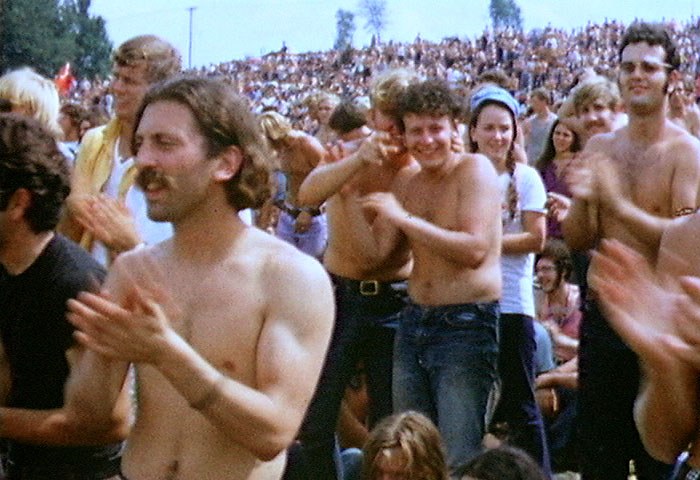
In 1969, American culture changed forever when the Woodstock music festival drew more than 400,000 people.
Originally called the Woodstock Music & Art Fair, the gathering became associated with peace, counterculture identity, and musical expression at a time when politics and society were in a state of upheaval. While the event was far from seamless in execution, its symbolism and legacy remain to this day.
However, when people craved the Woodstock experience and attempted to recreate it, the landscape had changed. Woodstock 1999, another attempt at the idealist gathering in ‘69, quickly changed from community to violence and controversy.
What was the difference? To understand why Woodstock 1969 transformed culture and Woodstock 1999 crashed catastrophically, it is important to view each within the frameworks of their time.
What Is Woodstock? From 1969 to the ‘99 Revival
The original Woodstock festival (1969) was held in Bethel, New York. At the time, political polarization in the United States was high as a result of the Vietnam War and the struggles of the civil rights movement. Countercultural values arose in direct opposition to these forces, championing anti-war sentiment, communal living, and experimentation with music and lifestyles.
Thus, Woodstock served as the culmination of all these ideals concentrated in a single location. However, people’s recollections of it as an aspirational, perfect gathering are marked by a type of survivorship bias; the cultural myth of Woodstock often fails to recount the many logistical challenges that interfered with the event.
Overcrowding, food shortages, and bottlenecks in transportation have largely been forgotten thanks to the media’s retrospective praise and the rose-colored glasses with which many look back on the festival.
In some part because of this solely favorable narrative, promoters (e.g., Michael Lang and John Scher) saw the brand value of Woodstock as a means of attracting large audiences. To seize upon this opportunity, they attempted a Woodstock revival in 1994.
The event went well enough. It lost money at the gate — rain, mud, and tens of thousands who simply walked in past the fences — but the pay-per-view broadcast and the album made it back, and the overcrowding and the tension bubbling beneath the surface of the crowd did not stop it being counted a success.
This reinforced the belief that the chaos and intensity of the event were compatible with favorable perception and, by connection, commercial success.
At the same time, in the late 1990s, the United States was in the midst of economic growth, an optimistic view of technology, and expansion of corporations into branding giants.
Even outside of the planned Woodstock, music festivals were increasingly relying on corporate sponsorships and vendor exclusivity. Combine this with the surging popularity of music genres such as nu metal and rap-rock, prioritizing themes of alienation and rebellion, and the environment was set for Woodstock ‘99 to be different.
This one would not enjoy the same level of success as its predecessors, leading instead to a disaster still lingering in societal memory.
When Things Started to Go Wrong
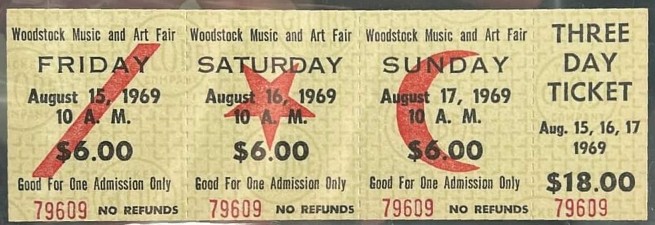
Woodstock ‘99 was on shaky ground before the event even began. Ticket prices for the 1999 festival were significantly higher than those of previous gatherings (often assumed to be because of the intense corporate focus rather than a priority on the event’s stated purpose of centering the values of the original).
Attendees already knew ahead of time that they were being gouged on prices, and they expected the purchases inside the event to be no different. This drove tension between the ticketholders and organizers well in advance of the event.
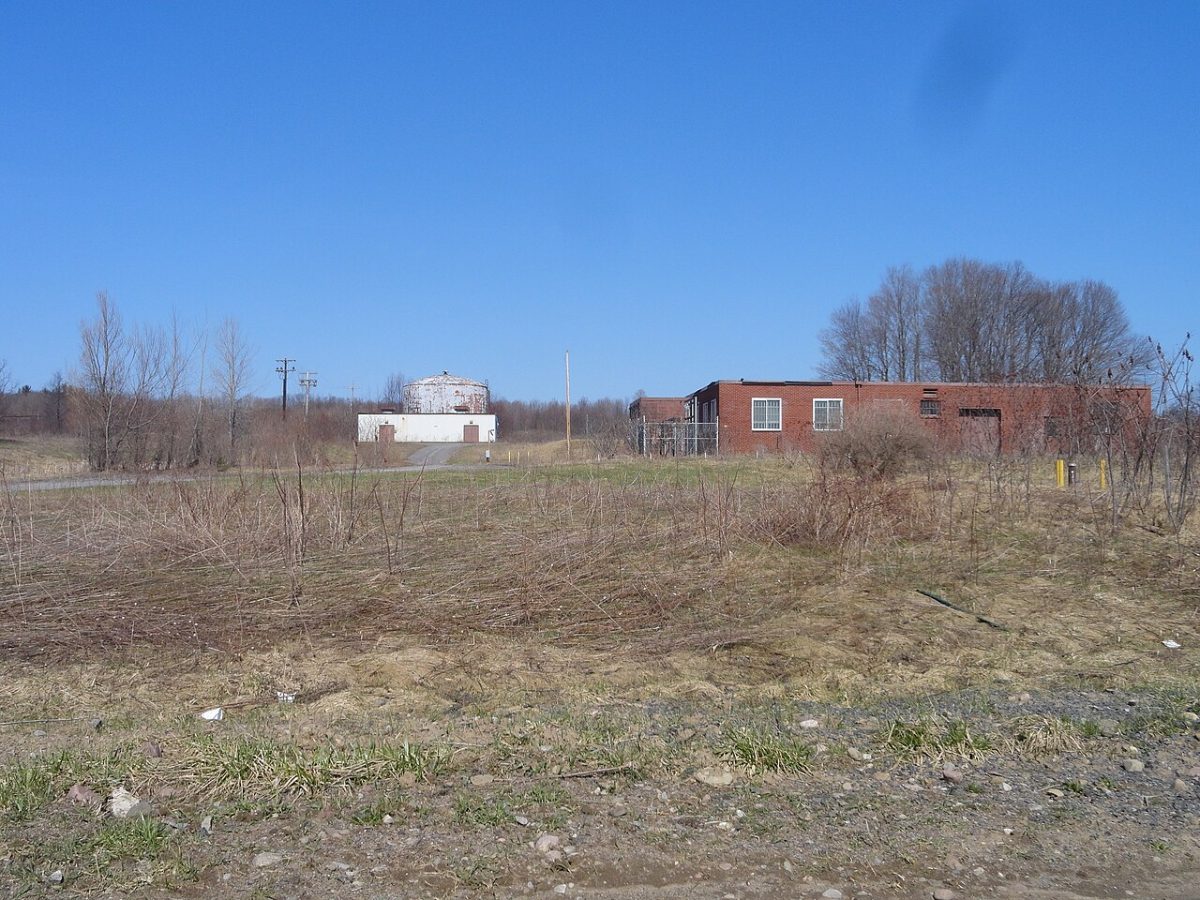
Griffiss Air Force Base in Rome, New York was the home of Woodstock 1999. It was large, it was open — but it was also fundamentally different from the rural fields in which the original festival had taken place.
In such a preconstructed location, trees were sparse, the walking areas were nothing but concrete, and these elements would come to matter much more than organizers ever planned for.
The drive toward profitability led to more ticket sales than initially anticipated, and when Woodstock began, the attendance estimates well exceeded projections.
Organizers were not prepared with the infrastructure required to support this large of a crowd. Similarly, they had hired private contractors for security, many of whom lacked the experience necessary to manage large-scale music festivals and the unique challenges that come with them.
All these seemingly unrelated factors coalesced into a Woodstock event that was poised to fail — and fail dramatically.
Suppose that you were in attendance in ‘99. Here’s what you might expect:
You’ve paid a high price for your tickets; in fact, it was higher than it should have been, so you are banking on this event to be fantastic. When you arrive and begin exploring, you quickly note that the place is crowded.
You work with the flow, but your feet start to hurt after walking on hard concrete for hours, and you’re thirsty. Seeking out a free drink station seems to be impossible; you’ve only found one, and the wait is immense because there’s so many people.
So, instead, you head to a vendor to purchase a water bottle, which costs $4 — about $8 in today’s money.
You watched the weather in preparation for your trip to Woodstock, and you saw it would be hot, but 100 degrees Fahrenheit was hotter than you expected. And with no trees for shade and blazing concrete beneath your feet, dehydration is a given.
As the day goes on, you start to see people collapsing from heat stroke, and it’s just the first day. Already, you can smell the toilets, which also have a massive line. In fact, most of them are quickly becoming unusable because there are far more people than they can handle.
People are getting upset by the conditions, the heat, the prices, and everything else. Security doesn’t know what to do about it, and confrontations are starting at the edges of the crowd. And this is all just the first day. You try to enjoy the music and get some sleep.
Everywhere you walk, sponsorship branding is front and center, and when you head out again the next day, you find that those $4 water bottles are now $12. Or more, depending on where and when you look. This isn’t the event you expected, it’s not feasible to continue without risking your safety, and everyone is getting a little more aggressive.
Woodstock 1999: Fires, Riots, and the Aftermath
The first day of Woodstock ‘99 passed shakily, with minor property damage and some confrontations and health issues, though they remained at the margins. However, the longer the event continued, the more things started to fray.
The musical performances, especially by Korn and Limp Bizkit, whipped up crowd energy. While that is normal for large music festivals, Woodstock was already stressed near to failure, and Limp Bizkit’s “Break Stuff” stirred the audience into destructive behavior such as crowd surfing that resulted in injuries or damaging property barriers in frustration.
Even without the fraught conditions at Woodstock 1999, musical festivals can still be dangerous, and the unique failures at Woodstock heightened the risks for audience members.
Surging movements in the crowd are prone to create panic, and in an audience of already exhausted, dehydrated, frustrated attendees, peace hung on by a thread.
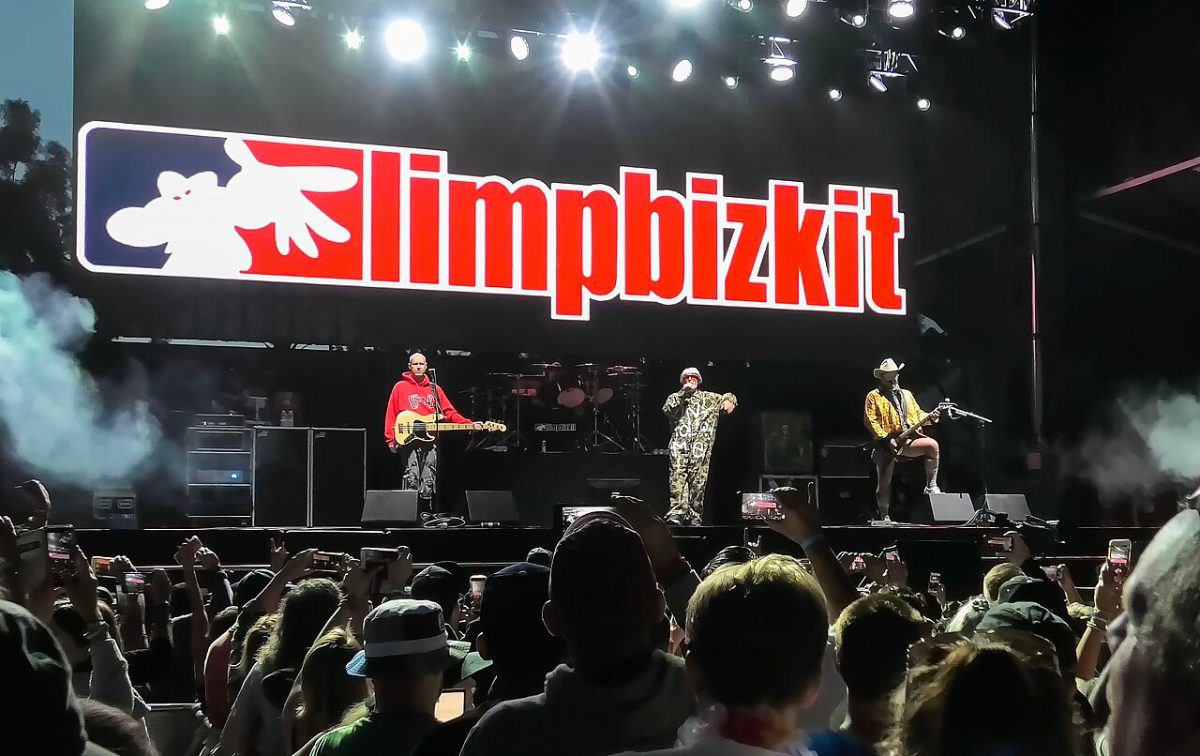
The second day saw significantly deteriorated conditions on all fronts. Minor confrontations with security had turned into physical altercations, and reports of theft and of sexual assault emerged. Food, water, sanitation, and heat all remained increasingly pressing issues.
By the final evening, organizers were desperate to keep things contained. An outside anti-gun-violence group handed out thousands of candles to participants for a vigil during the closing set, which the organizers permitted.
Presented as a commemoration of the original ideals of peace and unity present at Woodstock ‘69, it also promised a brief respite that might carry everyone through to the end of the event.
However, in the heat with an unstable crowd and open flames, accidental fires came as little surprise. Small fires quickly exploded into large blazes as vendor structures ignited, and soon enough, flames had burned through booths, merchandise stalls, and temporary infrastructure.
In the confusion, crowd control mechanisms from the private contractor security teams collapsed. As ATMs were destroyed and looted and the event became a near free-for-all, organizers were forced to call in the state police, who moved in wearing riot gear.
However, it was too late to prevent significant damage. Some arrests were made, but containment and managed evacuation remained the primary goals.
At the same time, American media was in the middle of the transition that would produce the always-on news environment of the 2000s.
Music television, 24-hour cable news, and the beginnings of internet journalism all combined to cover Woodstock, with MTV on-site. Initially, reports focused on the scale of the event and the driving nostalgia that corporate interests wanted to front.
However, as conditions at the festival deteriorated, the media shifted attention. Images of burning booths and people collapsed in the heat became emblematic of the festival’s identity. The theme pivoted, outside of corporate control, from nostalgia to cultural breakdown.
Many media sources curated their content to leverage Woodstock according to their ownership’s ideals. For instance, headlines often posited that the breakdown of Woodstock 1999 was proof of the failure of modern youth to live up to the ideals of peace and community that had allowed the ‘69 event to succeed.
Following the festival, promoters (including Michael Lang) saw extensive criticism. Public statements from the organizers attempted to defend organizational decisions or rationalize the outcome by acknowledging failures in infrastructure.
Media coverage framed Woodstock 1999 as evidence of dysfunction in cultural and generational spheres rather than as a product of logistical and security failures.
Why Woodstock ‘99 Mattered
Woodstock 1999 had an indelible effect on history. The people who attended have carried that experience with them, shaping how they engage with commercial advertising and the promises of Woodstock: peace, unity, and community.
The ‘99 event ruptured the cultural worship of the original ‘69 event, and for many people, it drove an increasing distaste for the commodification of art and community.
Historians generally treat Woodstock 1999 as a convergence of commercialized entertainment culture, capitalist infrastructure compromises, and poor planning that were all inextricably tied to shifting attitudes in the commercial sector at the time. In other words, it became one of the decade’s most visible backlashes against the commodification of a cultural legacy.
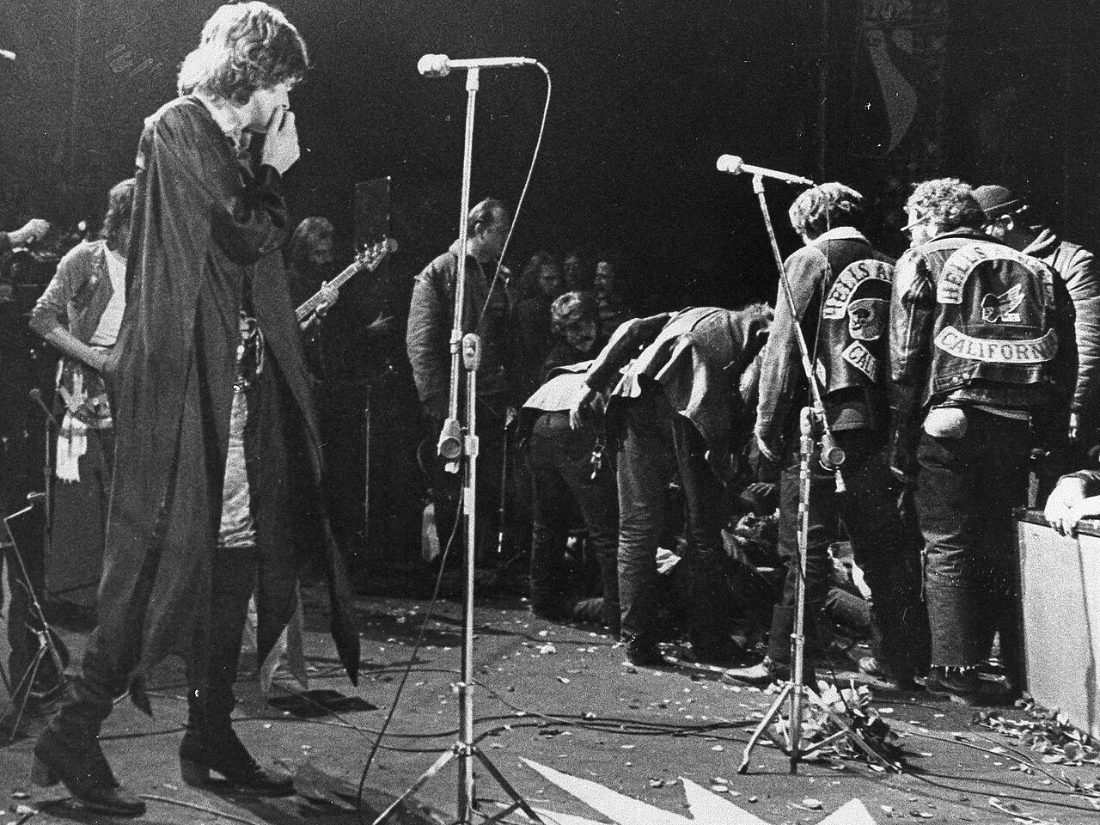
Woodstock was far from the only music festival to struggle. Just a few months after the original ‘69 Woodstock, Altamont Free Concert carved out a place in history after violence broke out during a performance by The Rolling Stones.
Unfortunately, eighteen-year-old attendee Meredith Hunter was stabbed and killed during the event. Like Woodstock, Altamont is widely regarded as a foundational moment in the collapse of the idealism popular in the 1960s. It, too, drove the corporate desire to return to that cultural image, which created Woodstock ‘99.
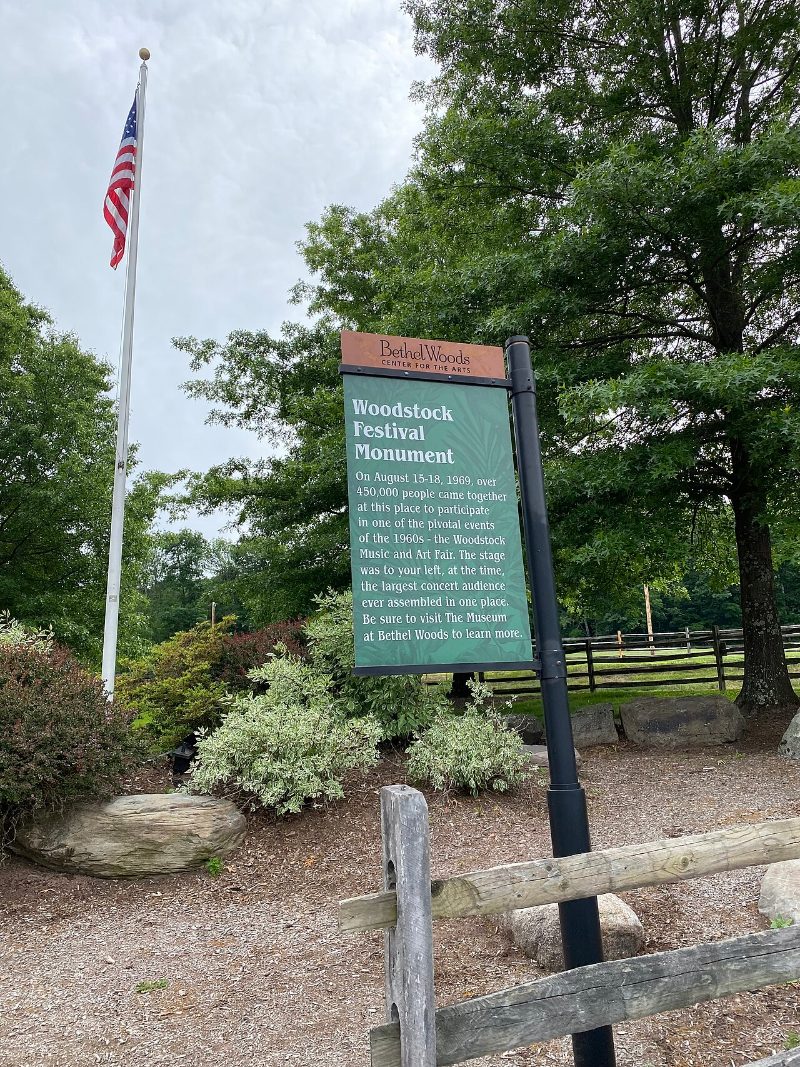
Woodstock’s failure went on to influence festivals in general. From then on, learning from the difficulties at Woodstock (and, to a lesser extent, Altamont thirty years earlier), large-scale festivals more successfully implemented reforms such as improved hydration access, employment of security teams with better training, heightened vendor regulation (to prevent price gouging), expanded emergency response strategies, and more. Anyone who has been to a festival after 1999 has benefitted from the collapse of the Woodstock ideal.
Still, festivals have not been the pinnacle of perfection ever since. Failures of a different shape, such as the Astroworld Festival crowd crush in Houston, Texas, have followed.
Astroworld was a density and surge failure rather than the heat, infrastructure and anger that undid Woodstock, but the root was the same: planning and crowd management that did not match the size of the event, further demonstrating what these types of events need in order to succeed.
In this way, Woodstock and its peers provided an education on future success. Whether or not the lessons are followed shapes whether a festival goes off with few issues or devolves into another life-threatening catastrophe.
Historians often treat Woodstock ‘99 as a case study in late-20th-century American cultural transition and a burgeoning sense of corporate accountability. When a symbolic legacy turned into a commodity, it produced outcomes that were, almost exclusively, antithetical to its roots.