
In 1823, the British colony of Demerara found itself in a state of turmoil. Enslaved individuals united to rebel against the pervasive brutality of the plantations on which they worked, marking one of the most significant slave uprisings in the history of the Americas.
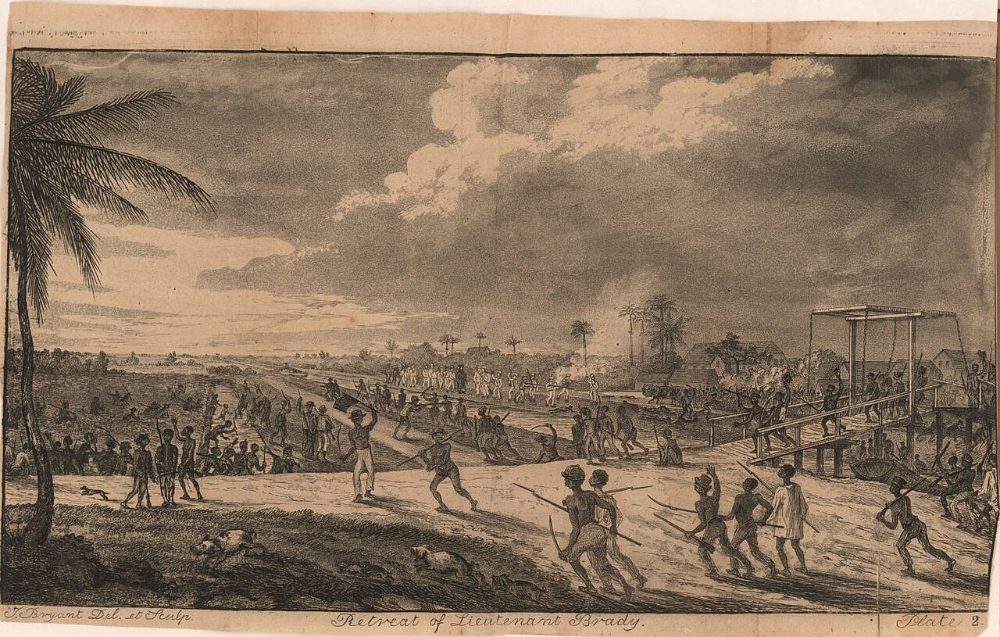
Although the rebellion was eventually suppressed, its effects were felt a world away in Britain. Noting the growing tensions in colonial societies that relied on forced labor, abolitionists in Britain gained a second wind to advocate their cause. However, to understand just why the events in Demerara were so impactful, it is important to see the context in full.
Understanding Demerara in the 19th Century
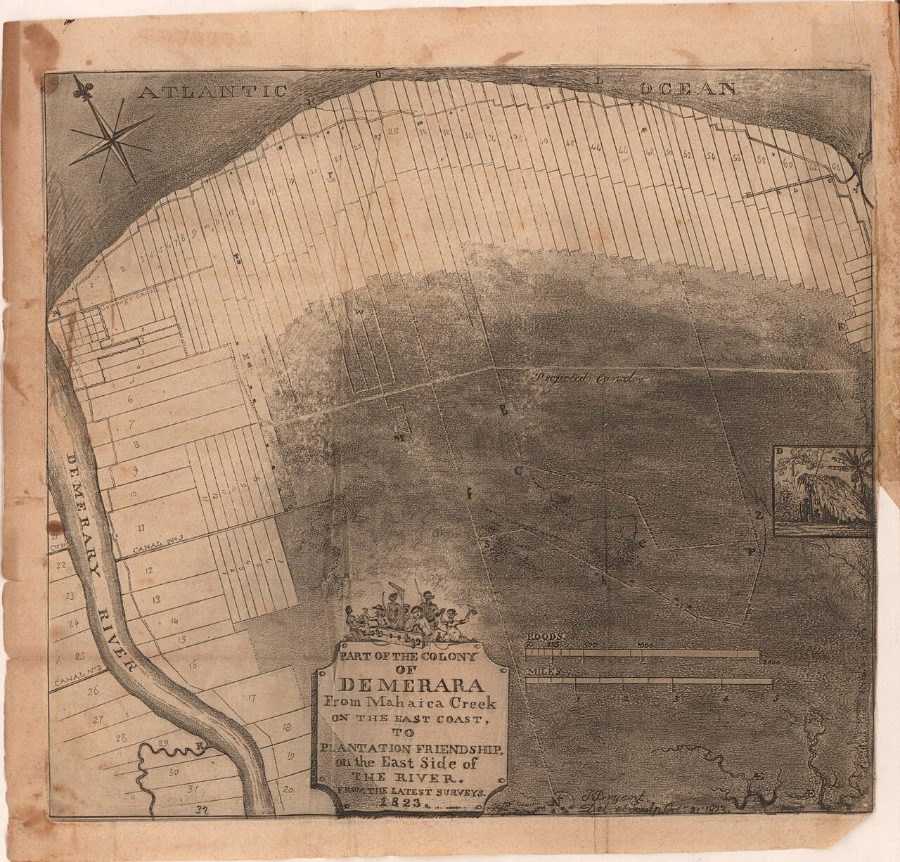
Demerara was one of the colonies that make up the region currently called Guyana, a now-sovereign state located on the northeast side of South America, next to Venezuela. Named for its location on the banks of the Demerara River, this colony was a central hub for the production of sugar under the administration of British leadership in the 1820s. Though the Dutch had originally settled the region, Britain seized the colony in the 1790s and took formal control in 1814.
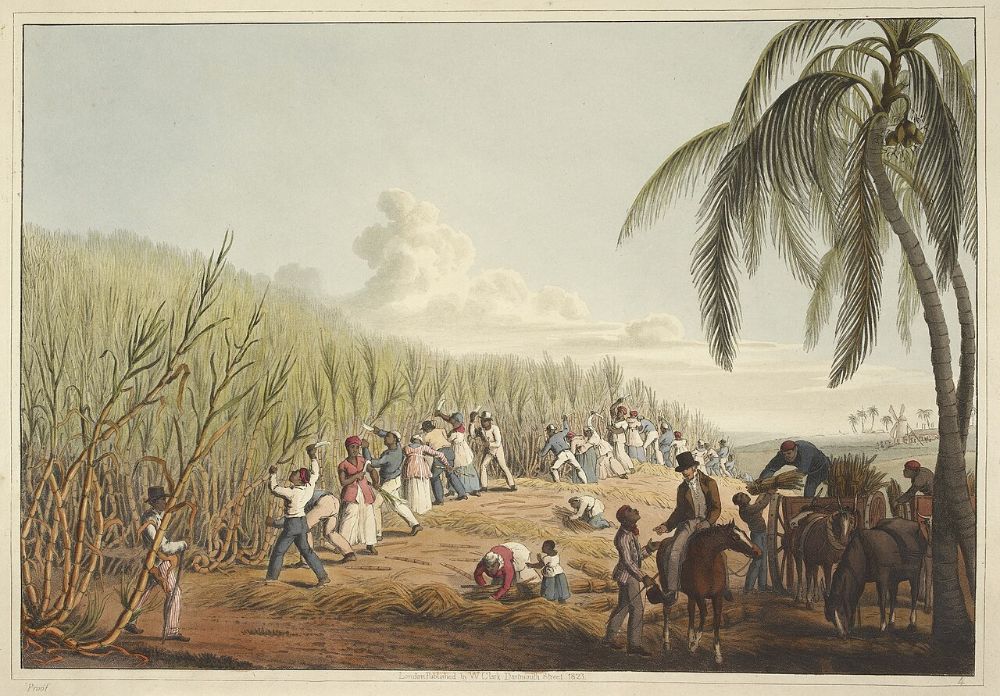
At this point, the entire economy in the area depended nearly single-handedly on enslaved Africans, who cultivated not just sugar but also coffee. In Demerara, slaves were exposed to harsh conditions, intense labor hours, and overseers known for their violence: whippings, harassment (especially regarding religion), and more.
The social hierarchy maintained rigid strata. At the top, European planters and administrators controlled the economic (and often political) resources. Below them, a small population of free people of color walked the line between true liberty and prejudice. These individuals, often of mixed African descent, were permitted to own property or engage in business, but their opportunities were socially and legally limited. From the cohort of “upper slaves,” one of the most important individuals in the rebellion, Jack Gladstone, would emerge.
The majority of the population in Demerara were enslaved. The sugar plantations made up the bulk of the region’s industry, and by extension, its slave presence; however, coffee and cotton estates dotted the east coast as well. Overseers divided enslaved individuals into “work gangs,” typically divided by age, gender, or strength, to pair them with tasks that suited their abilities.
The British kept the African slaves’ diverse ethnic groups contained within a rigid hierarchy of expectations and permissions, including minimizing education and legal protections. Despite this, enslaved individuals worked hard to maintain their family networks, through which they could continue to share cultural practices that bolstered their resilience in the face of the struggle they faced.
Religion remained a contentious issue throughout the 1820s in Demerara. Missionaries from the London Missionary Society actively preached in the region, and while the British permitted such activities on the basis of alignment with their own religious identity, the presence of the missionaries had a second, unnoticed effect. By spreading knowledge, literacy, and awareness of broader social and political conditions, missionaries inadvertently empowered enslaved people, teaching them of the inherent injustice of their situation.
In addition to these other factors, the enslaved folk of Demerara had a powerful system at their disposal: communication. Administrators had long since restricted assembly and literacy efforts, but informal networks for communication still existed. Coded messages, signals, messengers, and more had all been established as tried and true systems that, until that point, had not been crushed. Thus, when the first embers of a rebellion began to form, unification became feasible through these preexisting networks despite the administrators’ attempts to quash assembly and free communication.
The slaves of Demerara clung to other hopes, too. The Haitian Revolution, occurring between 1791 and 1804, demonstrated that it was possible for enslaved populations to overthrow their colonial oppressors. Like Demerara, the Haitian colony relied largely on sugar and coffee, with populations reaching 90% enslaved in similar harsh and unforgiving conditions. These revolts proved that slaves could successfully disrupt the economy of an entire colony, and Haiti succeeded in declaring independence and permanently abolishing slavery. It was possible, and Demerara slaves wondered if they could do it, too.
Alongside the growing intensity of the British abolitionist movement, the people of Demerara were primed for rebellion.
What Caused the Demerara Rebellion?
On August 18, 1823, British overseers were met with a surprise: ten thousand angry slaves, united toward a common purpose. But what finally drew communities together tightly enough to revolt?
The primary driver of the Demerara Rebellion was a rumor. Someone claimed that the British had granted emancipation to the region’s enslaved individuals, but that the plantation owners were deliberately withholding it so they could keep their slaves. Like a game of telephone, this rumor spread and mutated until thousands had heard. Though the news proved false, the hope and rage sparked by it crystalized the tensions slaves had been enduring (e.g., poor treatment, grueling conditions), and the cohort snapped to action.
Why did such a rumor start in the first place? It was more than just a mishearing. Enslaved individuals had learned of abolition laws that were currently being debated in Britain, and when missionaries visited, they carried that information with them. Whether it was documents left behind by missionaries, overheard concerns from planters, or something else, the first sparks of miscommunication festered.
However, this rumor would not have gained so much traction, nor prompted such a vigorous response, had systemic issues not compounded disillusionment with the situation. The long hours and inadequate food on the plantation might have been sufficient on their own to prompt a drive toward change, but these were paired with violent punishment and no legal recourse or protection for those affected. If slaves attempted to seek compensation or legal consequence for their treatment, colonial administrators almost exclusively sided with the plantation owners regardless of evidence.
The “Success” plantation at which the rebellion began was owned by Sir John Gladstone, who left the management of the site to his attorney Frederick Cort, and who had never even seen his plantation in person. Thus, he was led to believe that conditions were good, which he writes in a letter to James Cropper, a leading abolitionist in Britain who called Gladstone out on his treatment of his slaves:
“Even on Sugar Estates, the grinding [of the canes] ceases at sunset; and the boilers, the only parties that remain longer, finish cleaning up before nine o’clock … Their general food, in addition to salt fish and occasionally salted provisions, consisted of plantains which they preferred to other food. Plantains were cultivated in the ordinary daily work of each estate, or purchased when deficient, and they were supplied with more than they could consume. The slaves were provided with clothing that was suitable for the climate and their situation … They have the Sabbath and their other holydays to dispose of, for the purpose of religion, if so inclined.”
This retelling, of course, was far from true, the details manipulated by Cort to deceive Gladstone.
At this point, the enslaved folk had determined that the potential for securing their own freedom was less costly than continuing to concede. Jack Gladstone (unrelated to Sir John, though named after him in the regular naming convention of slaves and their owners) emerged as a central organizer of the rebellion’s efforts.
Jack’s organizational role reflected an understanding of nuanced challenges affecting plantation slaves. Social structures, communication networks, and the rigid hierarchy of the region all influenced his decisions, and when he coordinated his gatherings among enslaved groups, he aligned their expectations and potential actions according to that knowledge. In part, he had gained such awareness from his standing among the colony’s more privileged enslaved workers, which gave him unusual freedom of movement.

Alongside Jack Gladstone, missionary John Smith openly shared his teachings on morality, justice, and human dignity that fanned the flames of the revolt. He had been sent by the London Missionary Society to provide religious instruction and, interestingly, was directly instructed to offer literacy training. Thus, he taught both Christianity and the basics of reading and writing. It was common in this time for missionaries to record plantation conditions and social behavior and report back to Britain, a task that Smith took seriously.
On the site of the Success plantation, the spark of rebellion was lit, and it spread quickly across plantations all along the east coast of Demerara. Initially, under the guidance of Jack Gladstone and other influential figures, the strategy remained primarily nonviolent: refusing to continue laboring in the fields, gathering in large groups, and even petitioning authorities. Their arguments focused on asking those in power to recognize their rights and, importantly, to fulfill the emancipation that they believed had already been granted. The enslaved groups were not aware that this rumor was false.
However, colonial officials resisted negotiation, supported by the legal cohort that typically sided with plantation owners anyway. A few fringe groups broke away from the nonviolent demonstrations, resorting to direct violence including arson and armed confrontations with plantation overseers. Although the numbers were small, both in terms of incidents and the size of the groups involved, colonial officials became immediately alarmed at the threat of a full pivot to violence and responded brutally and quickly to retaliate.
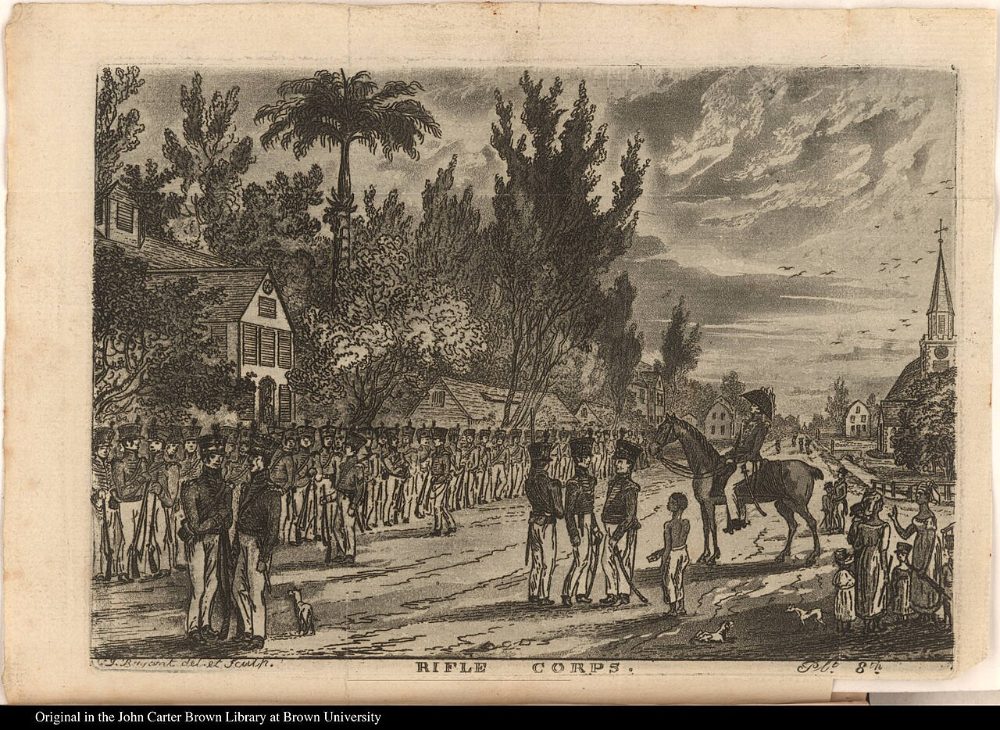
Governor John Murray reacted with immense force, deploying militia and British troops to surprise even the nonviolent groups. Over a hundred participants were killed during the initial strike, and hundreds more were arrested, beaten, or executed later. Jack Gladstone and many other leaders were tried as examples to the masses, all to demonstrate the price of revolt. However, Jack himself suffered a different fate. As the “leader of leaders” among the rebels, he was given a trial lasting multiple days. Despite Murray’s hasty response to the rebellion, he acknowledged that Jack had repeatedly saved white captives during the attacks. He petitioned for clemency for Jack, which was granted, and Jack Gladstone was banished to the small island of Saint Lucia.
As for John Smith, the missionary whose words poured fuel onto the fire, authorities placed him in prison while awaiting his death sentence. He petitioned for an appeal to said sentence, and while waiting for a response, he passed away in prison about six months after the rebellion. Many sources suggest that his death was directly tied to the poor treatment he received and the unsanitary and harsh conditions of the prison itself; others indicate tuberculosis.
What Happened After the Rebellion
The Demerara Rebellion was considered a failure, and the enslaved population paid the price. For the majority, conditions got substantially worse. Executions and severe punishments became standard, and disciplinary action across the colony tightened significantly. Because the colonial authorities now had evidence of both the slaves’ willingness to revolt and the potential danger that came with it, they strengthened oversight and surveillance.
In addition, even outside influence became tightly constrained. Missionaries were monitored more closely, and slaves were more frequently denied the right to religious practice to dissuade groups from forming. In further effort to reduce the possibility of collective resistance, work schedules and the gang system were adjusted, such as by rotating work groups to limit bonding and unification.
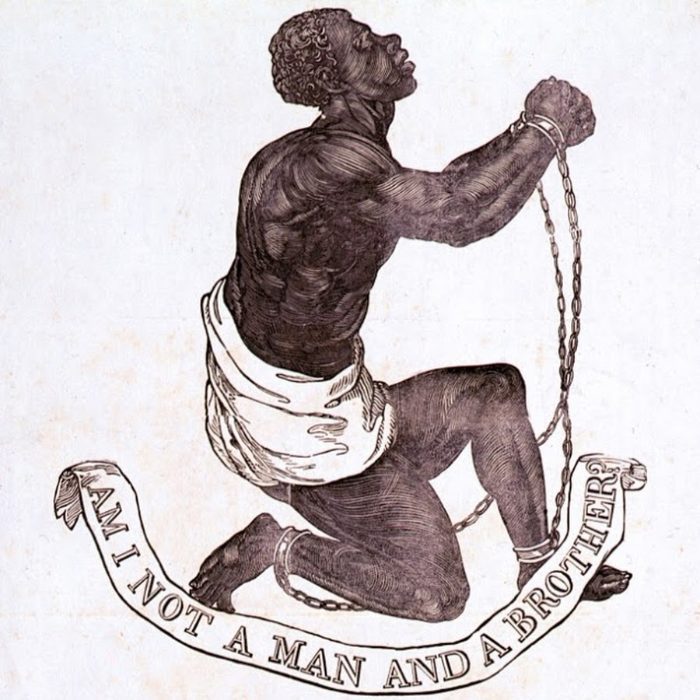
However, while the rebellion may not have torn down the regime around it, it sent waves across the ocean. News of the revolt, and the extreme brutality used to control it, reached Britain, providing substantial fodder for the abolitionist movement (e.g., James Cropper). The killings, mass beatings, and more all fueled the public sentiment that Britain had the moral imperative to end slavery, aside from any political considerations.
John Smith’s role in the post-rebellion atmosphere was of particular note. As a religious man martyred for a cause, he quickly became a symbol held proudly by British campaigns against slavery, which pushed toward social pressure for emancipation. Even if the immediate colonial response only worsened, the slaves of Demerara changed the world far beyond their shores.