Stalingrad, August 23, 1942. The Luftwaffe came in waves for most of a day and turned a city of several hundred thousand people into a burning field of rubble. Estimates of the civilian dead from that raid alone run into the tens of thousands, and the figure has never been settled.
What followed is why the name still carries weight. The Germans took most of the city and could not take the last of it: a strip of factory floor, cellar and riverbank against the Volga, held through the autumn by Vasily Chuikov’s 62nd Army. The fighting moved indoors. Men died over stairwells and over a single floor of a grain elevator.
Then, on November 19, two Soviet fronts hit the Romanian armies guarding the German flanks, closed a ring behind the Sixth Army in four days, and left roughly a quarter of a million men inside it with the winter coming and an airlift that never delivered what had been promised. Friedrich Paulus surrendered on January 31, 1943, the day after Hitler made him a field marshal on the reasoning that no German field marshal had ever been taken alive. The last pocket gave up on February 2.
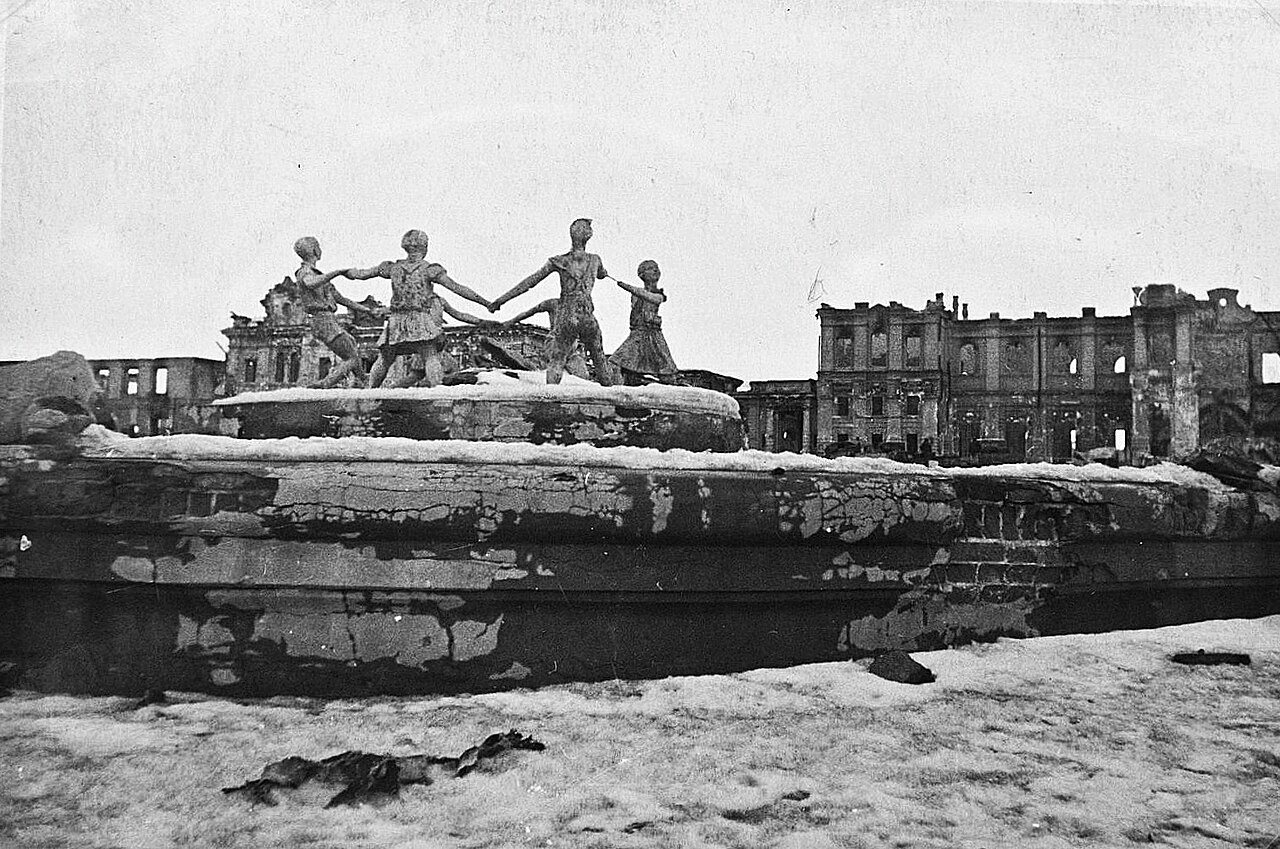
The photographs below run in order, from a commanders’ conference in August to a fountain left standing in a wrecked square. They come from both sides: German propaganda-company cameramen, and Soviet photographers such as Georgy Zelma and Emmanuil Yevzerikhin, who worked the same ruins with the opposite assignment.
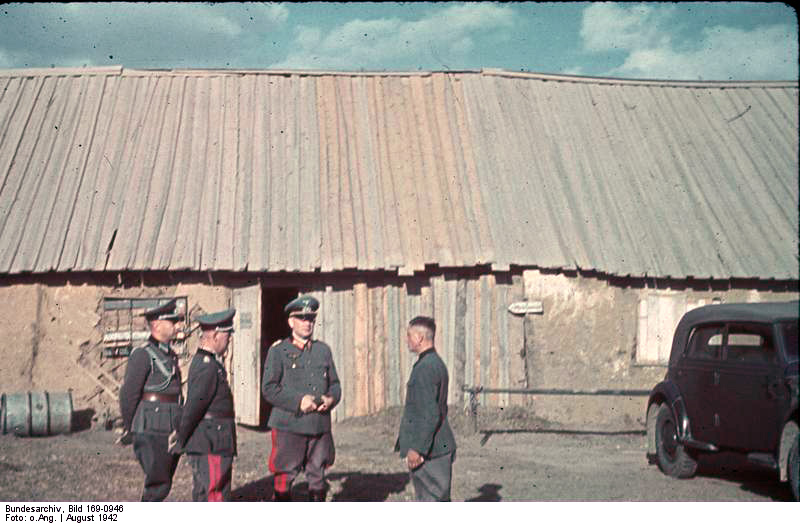
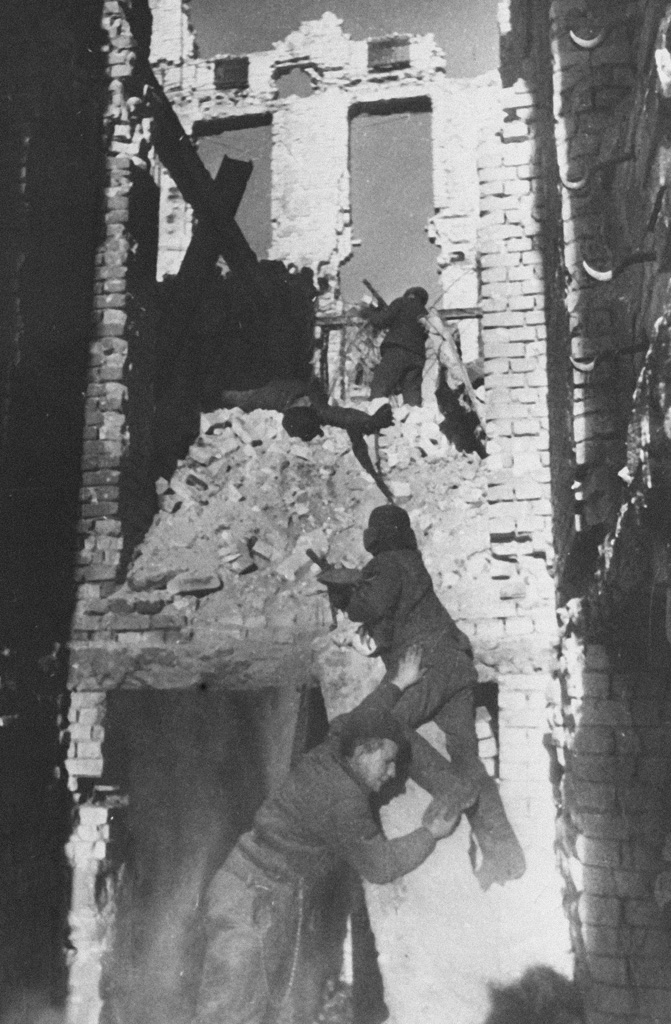
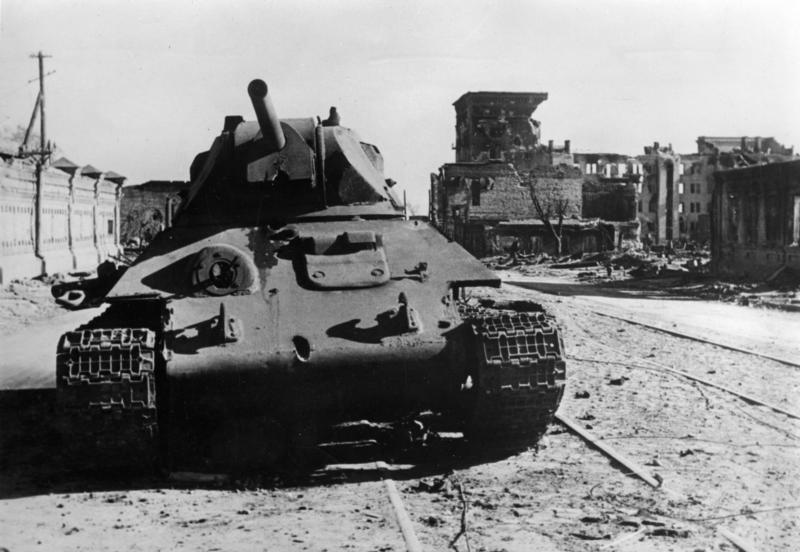
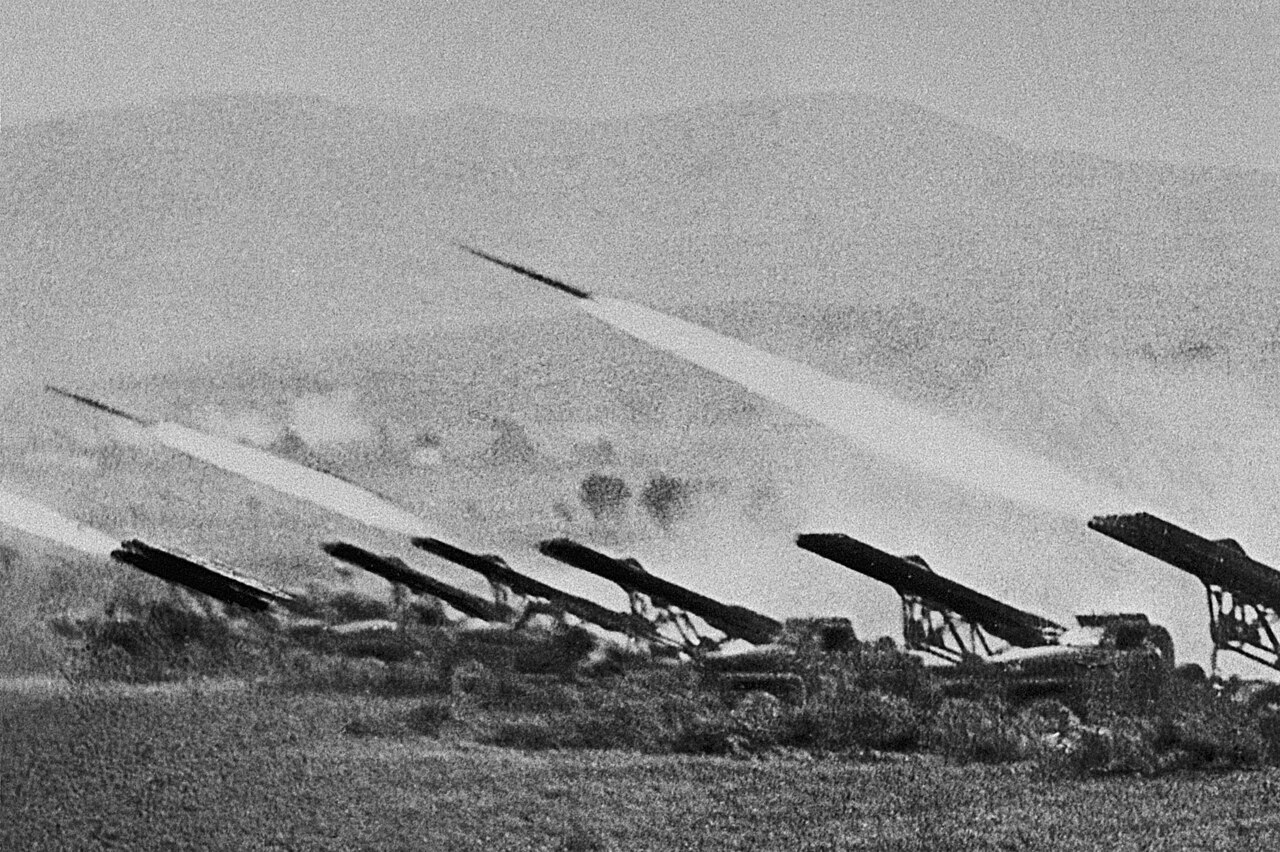
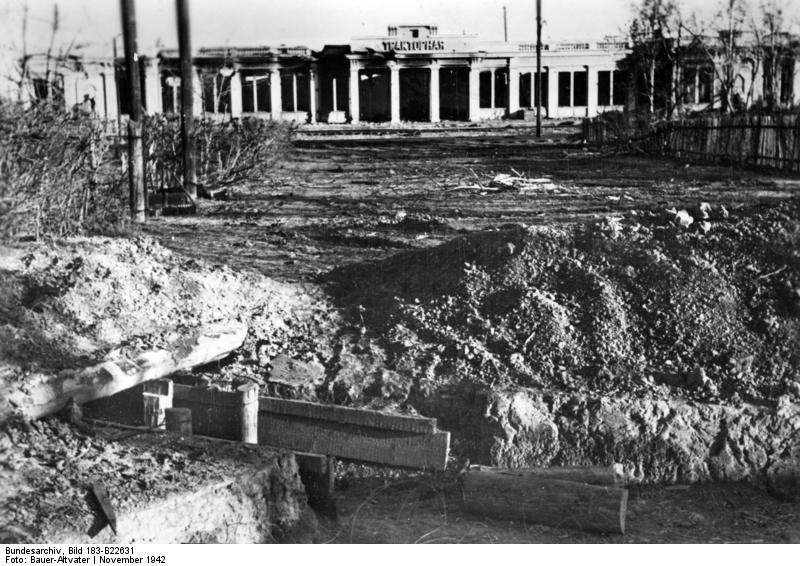
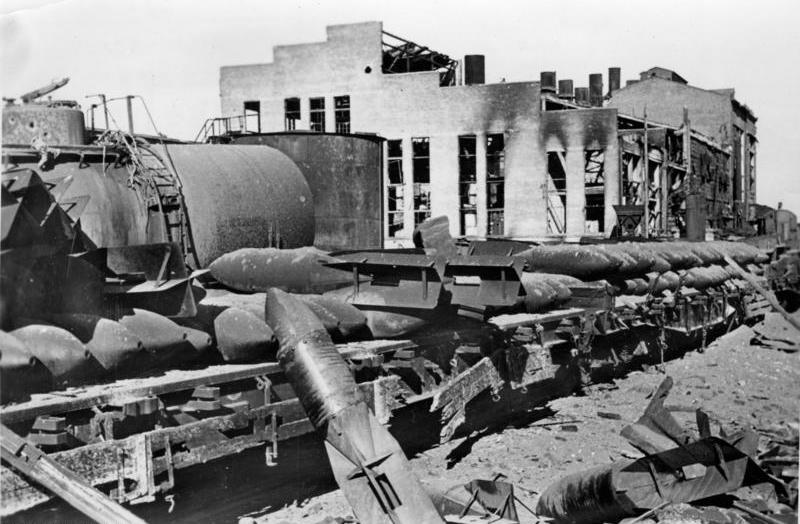
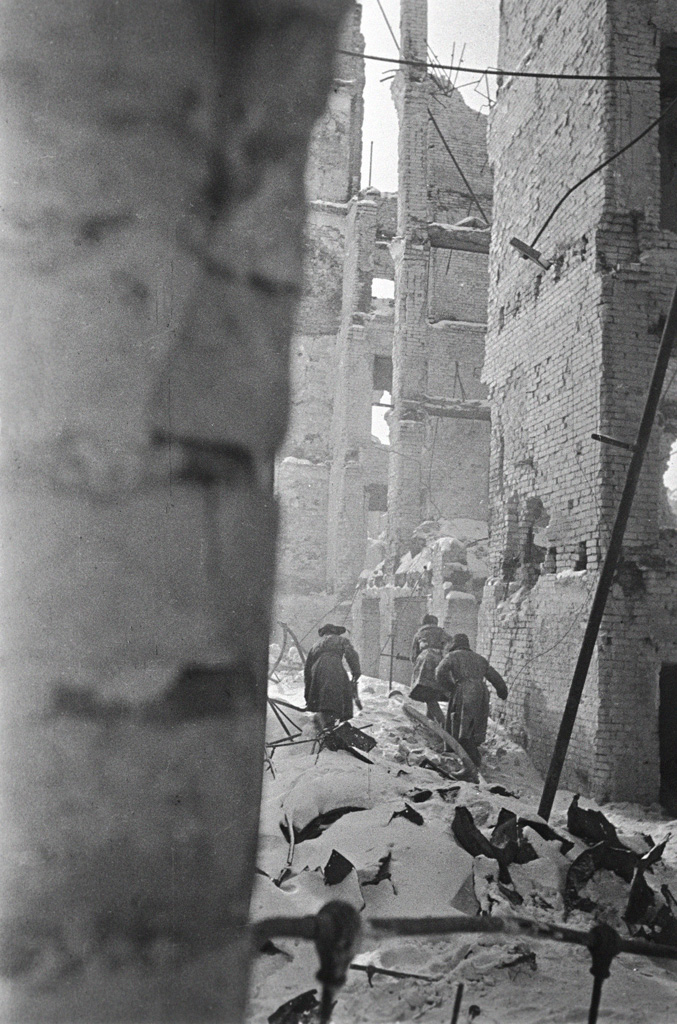
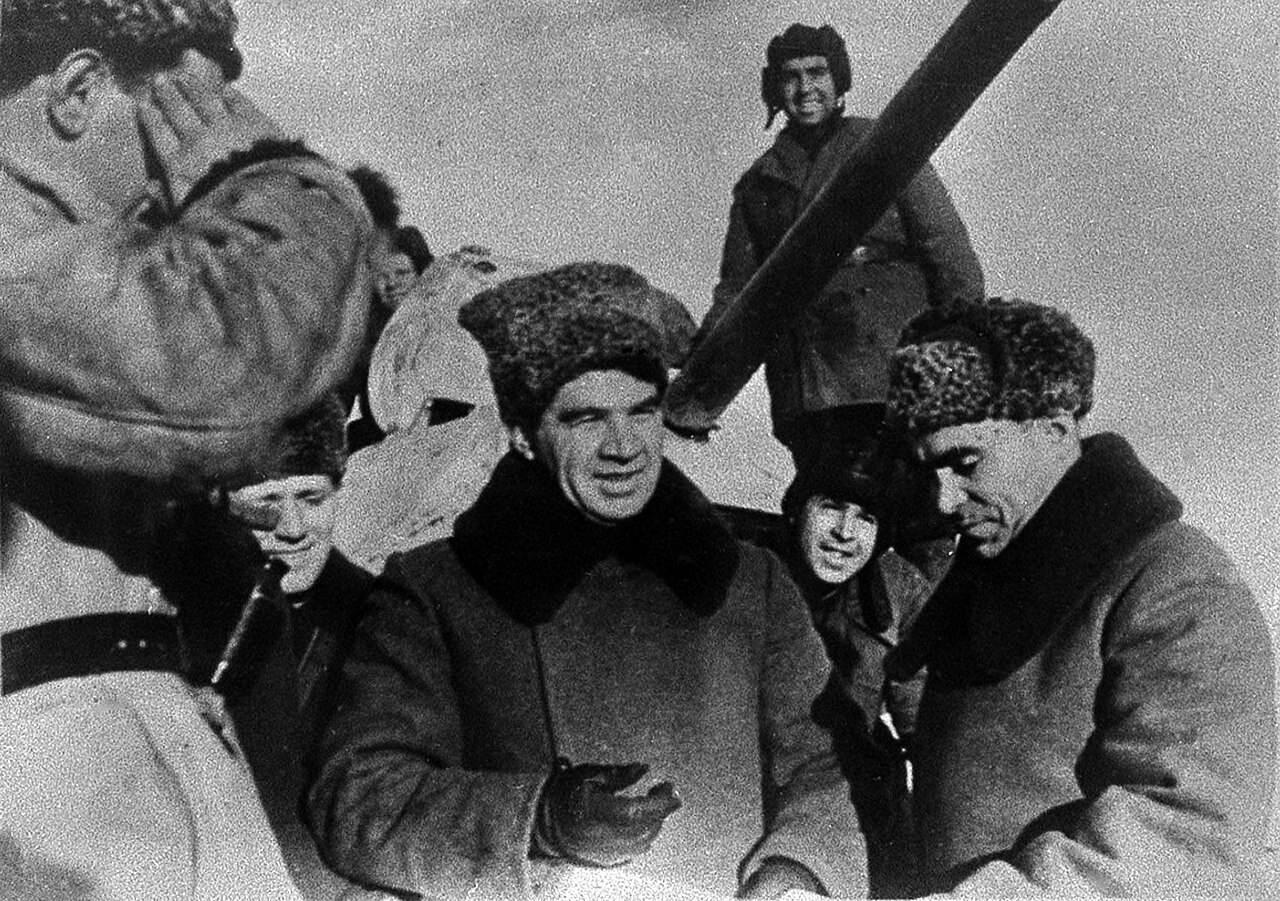
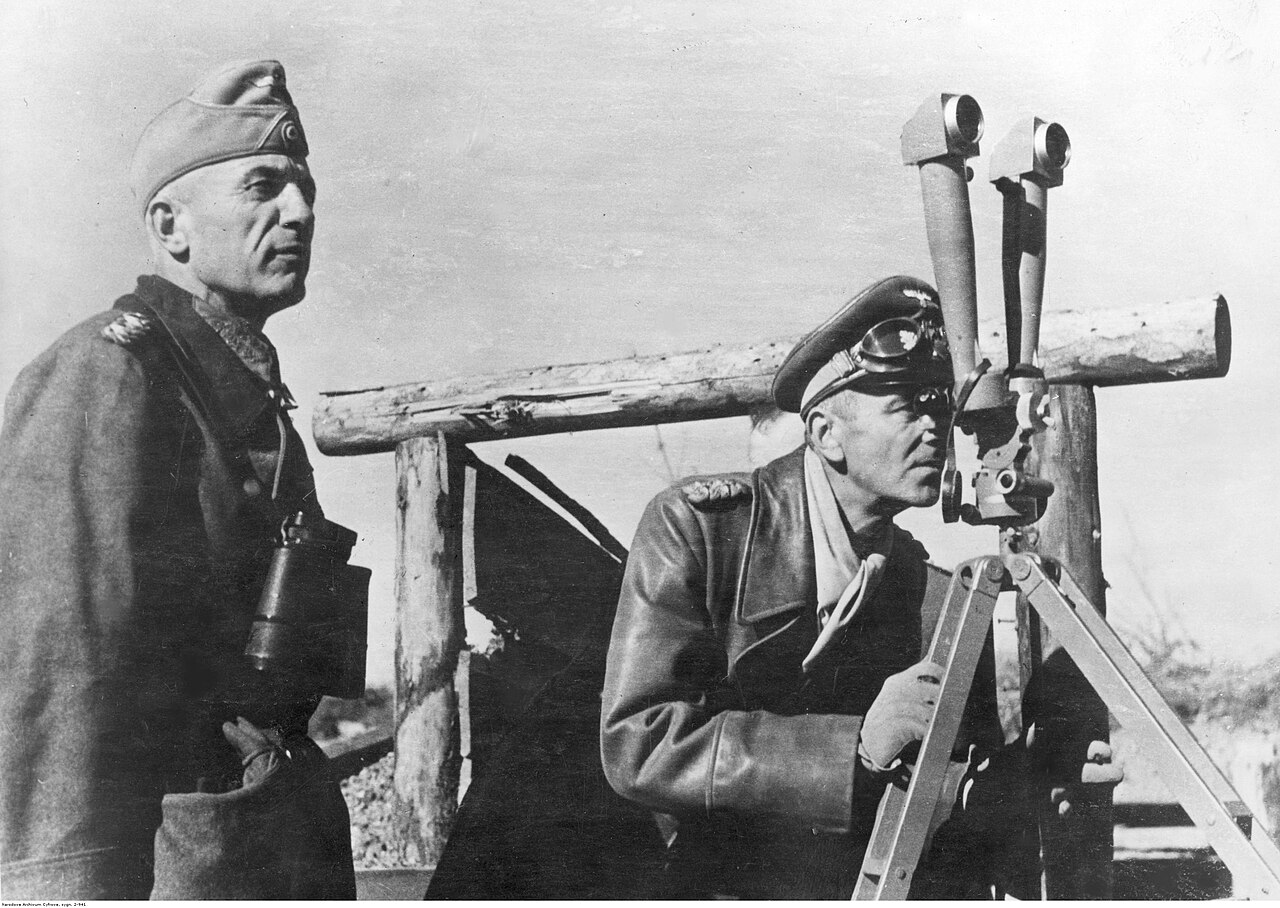
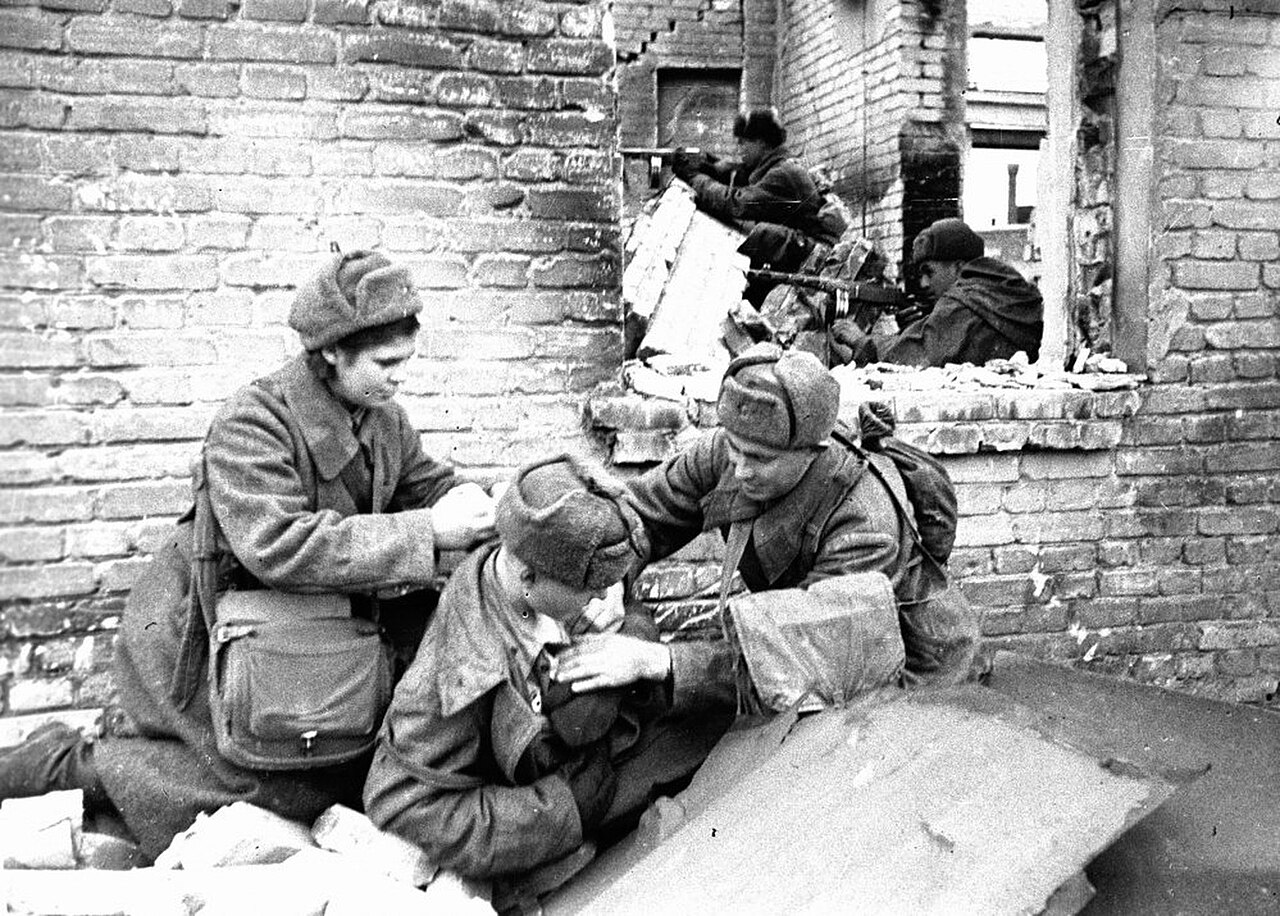
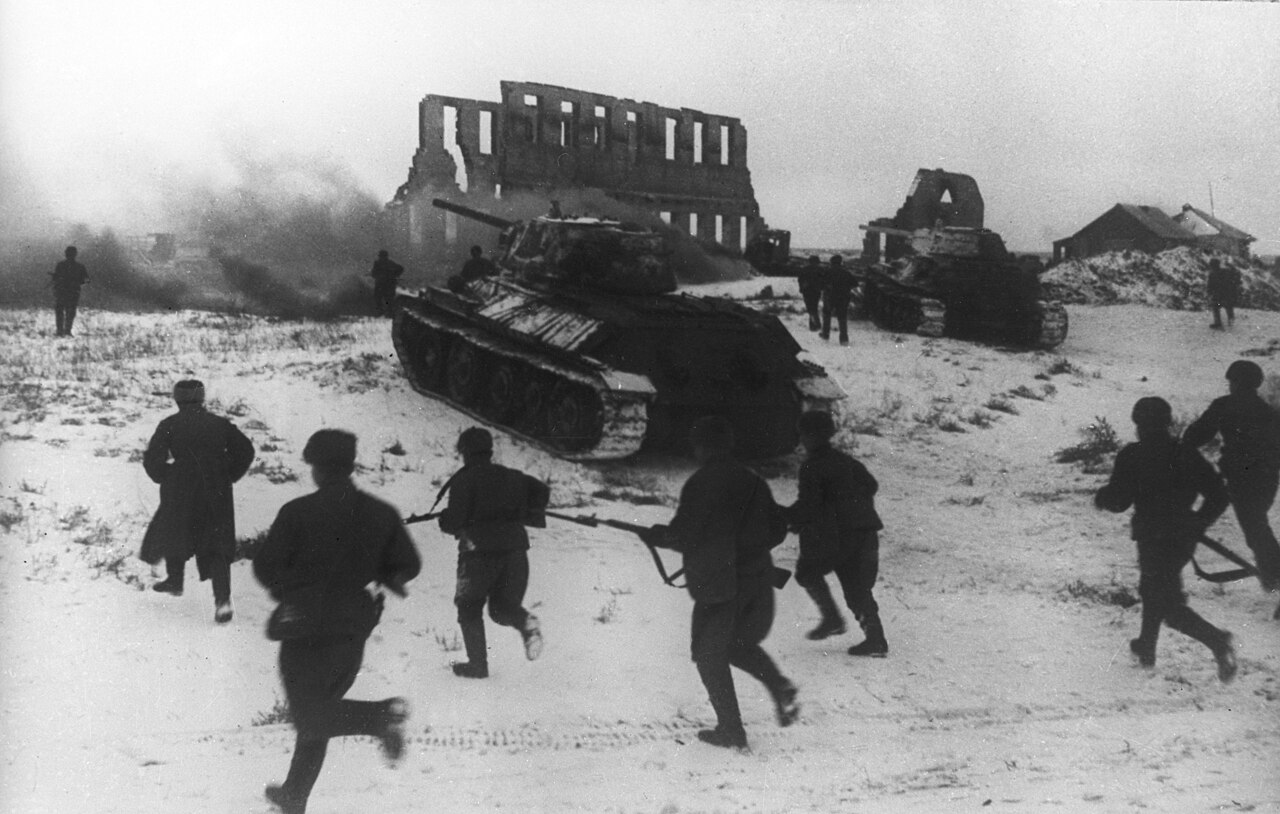
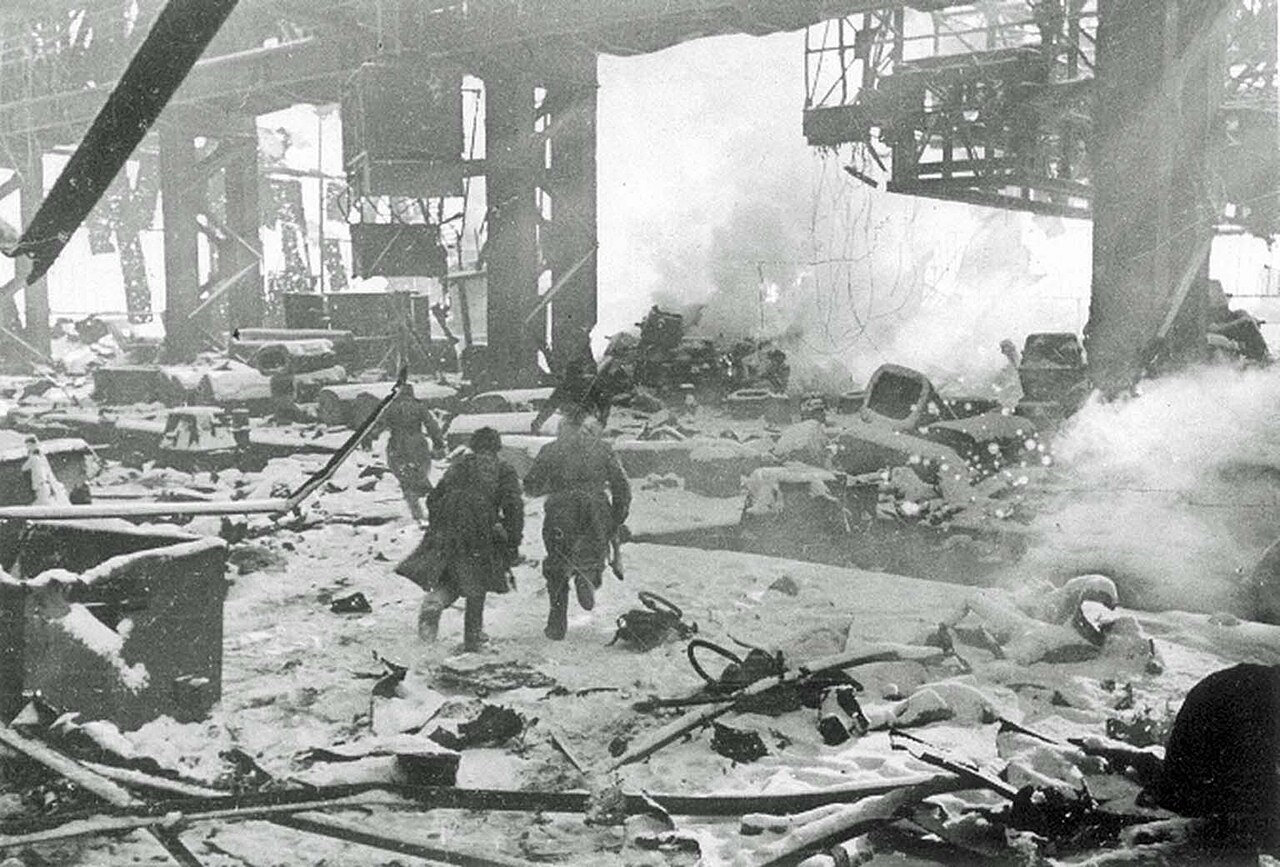
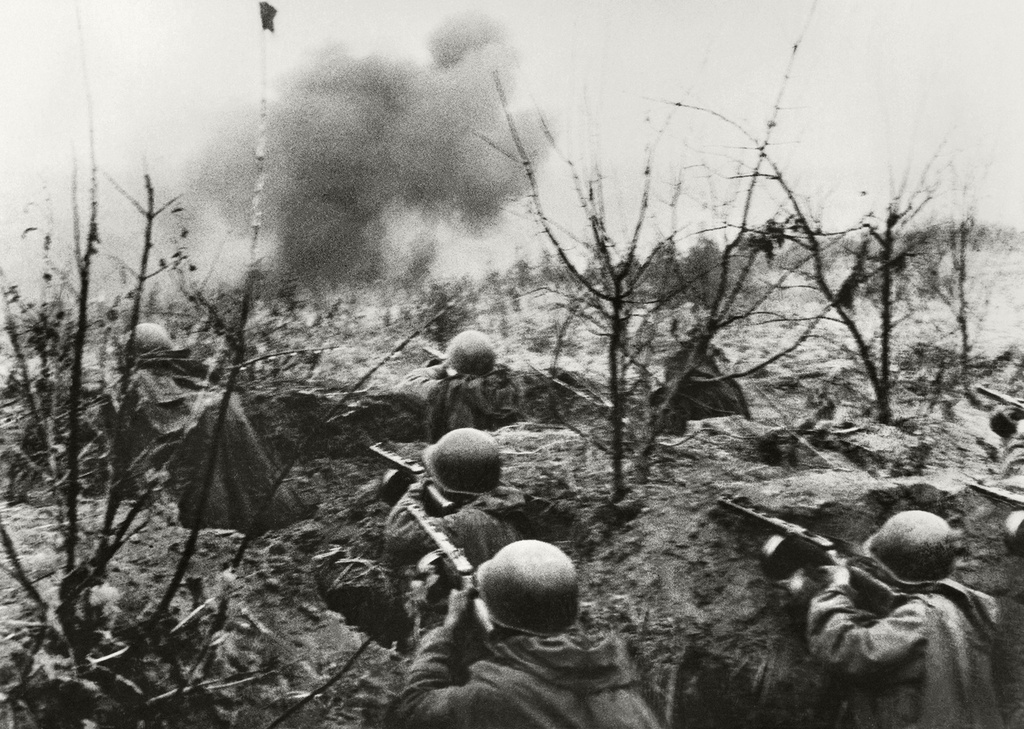
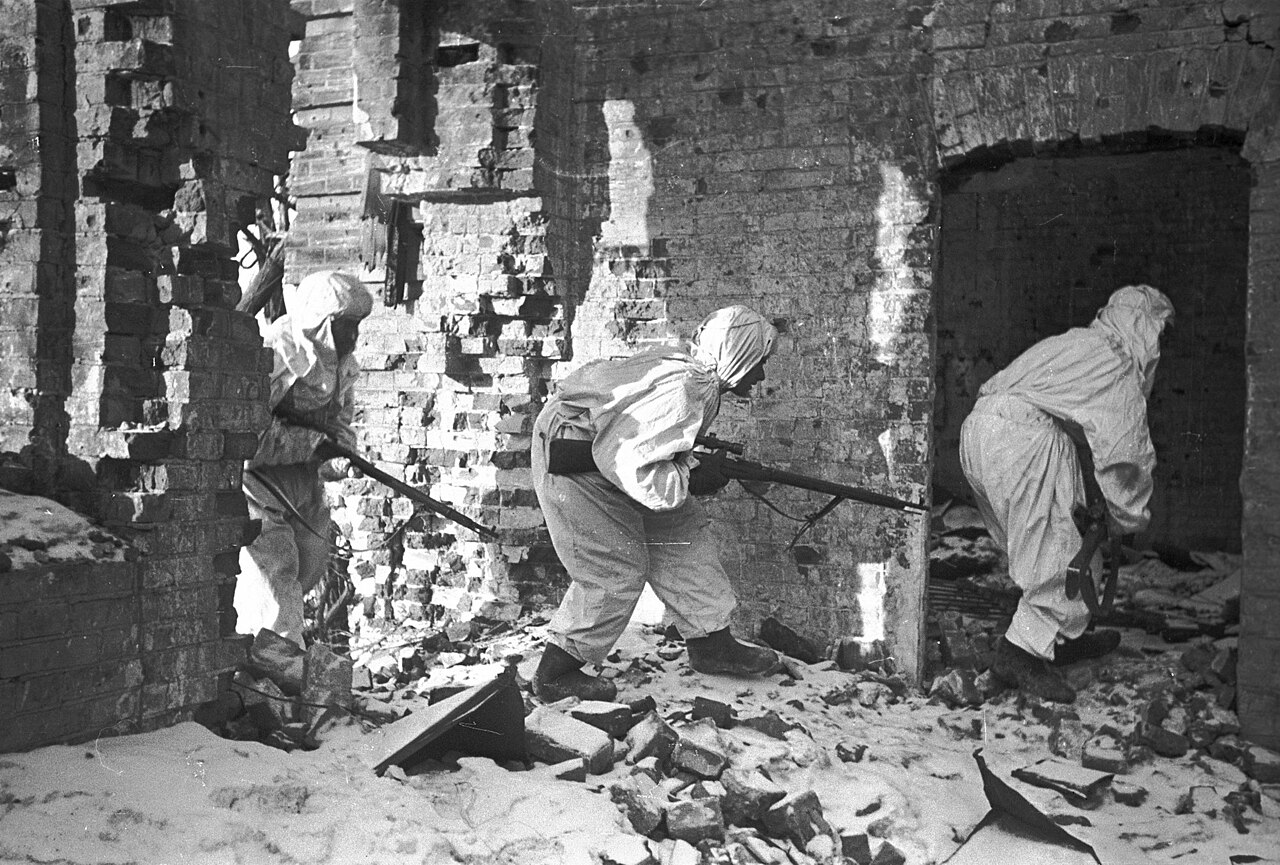
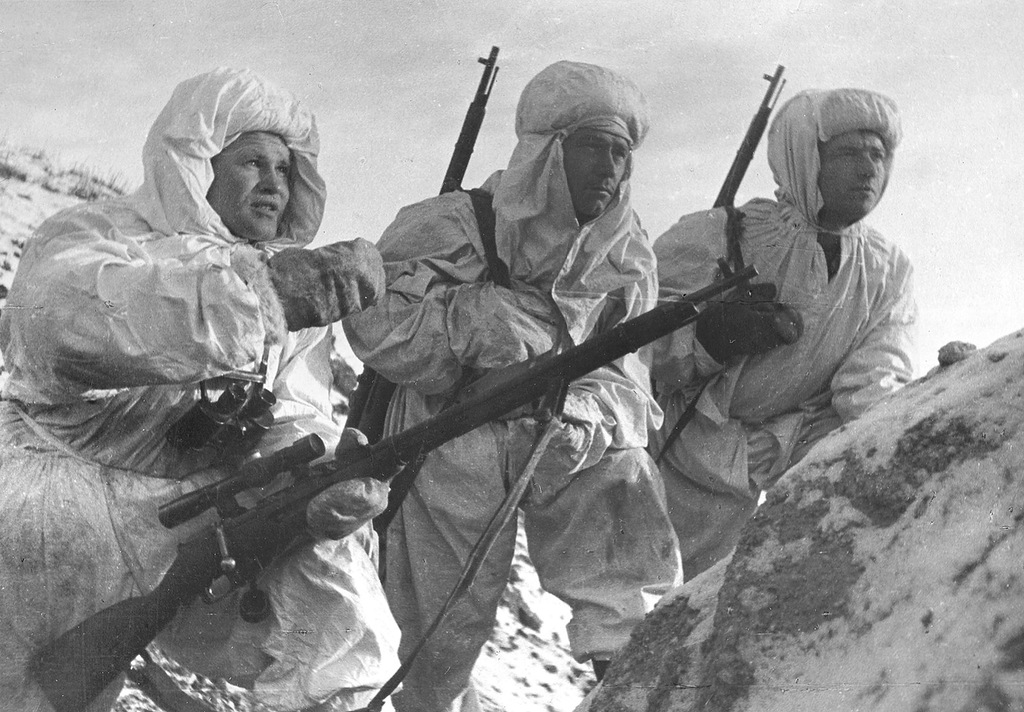
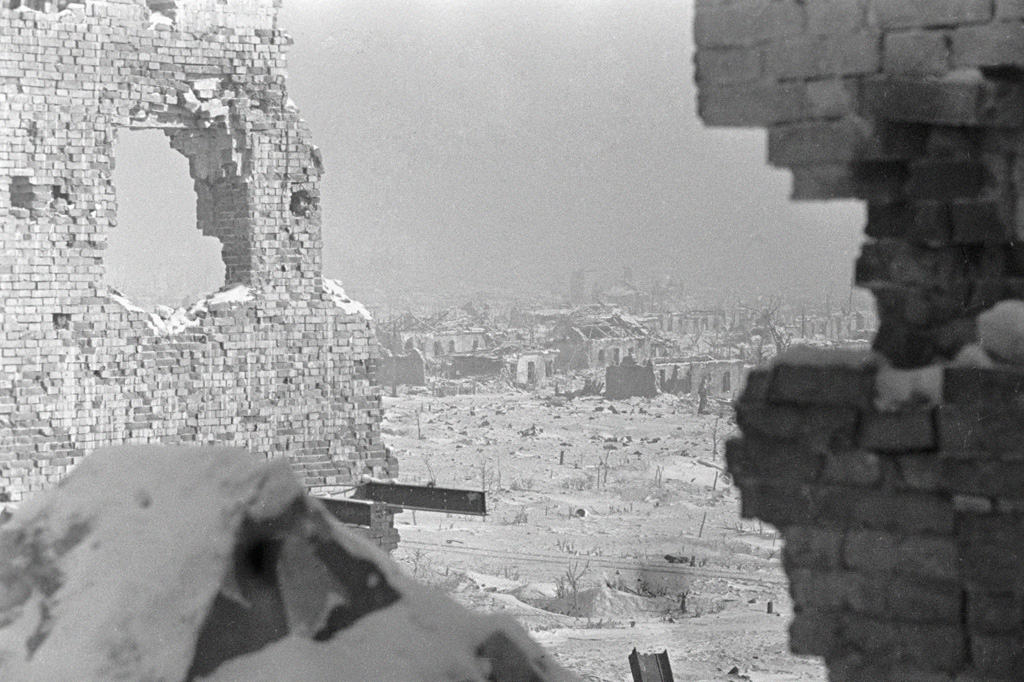
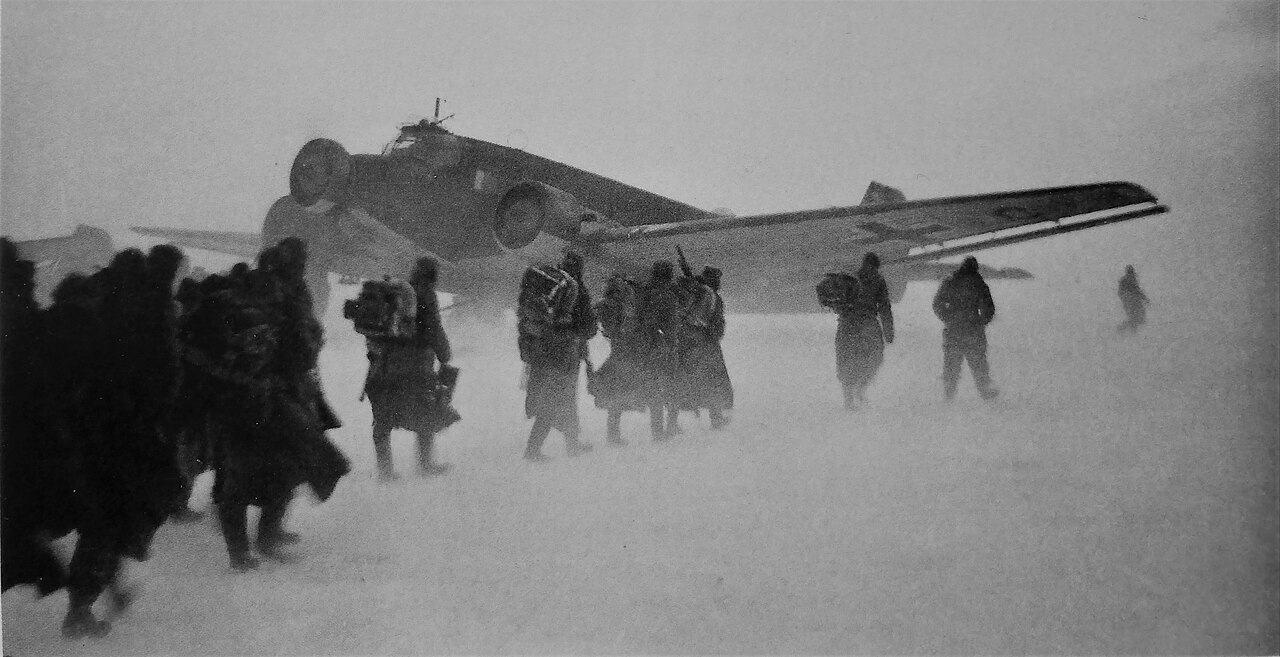
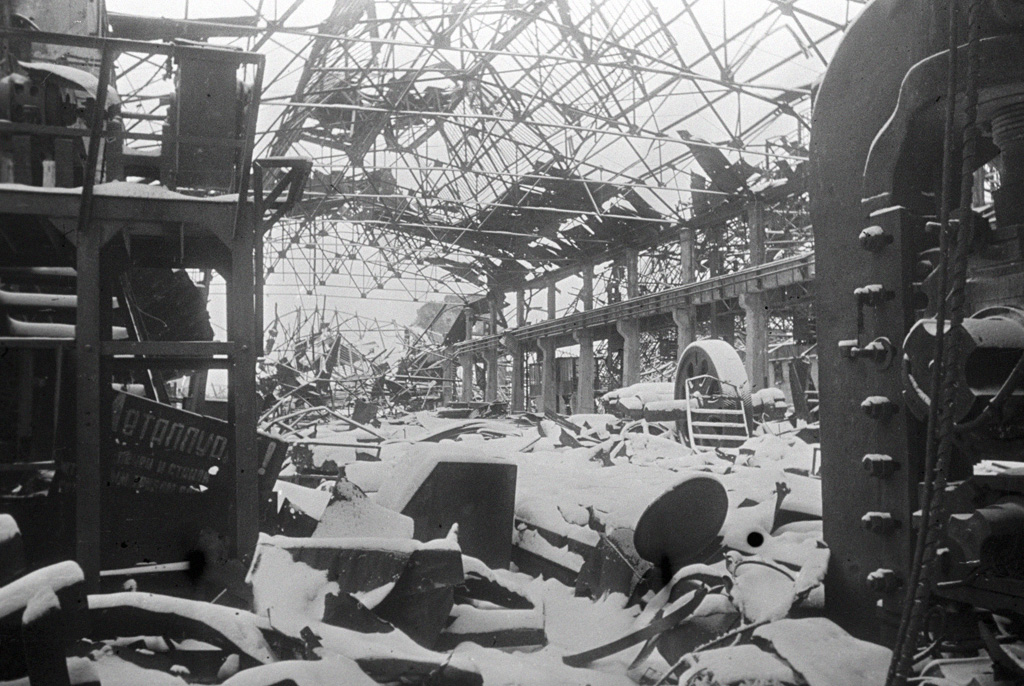
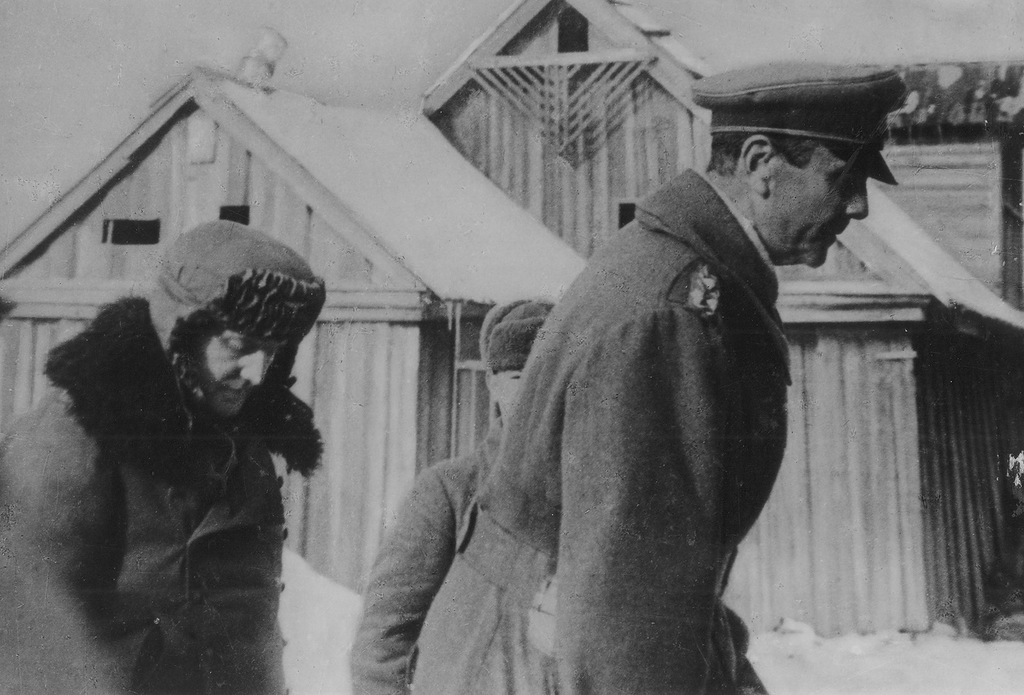
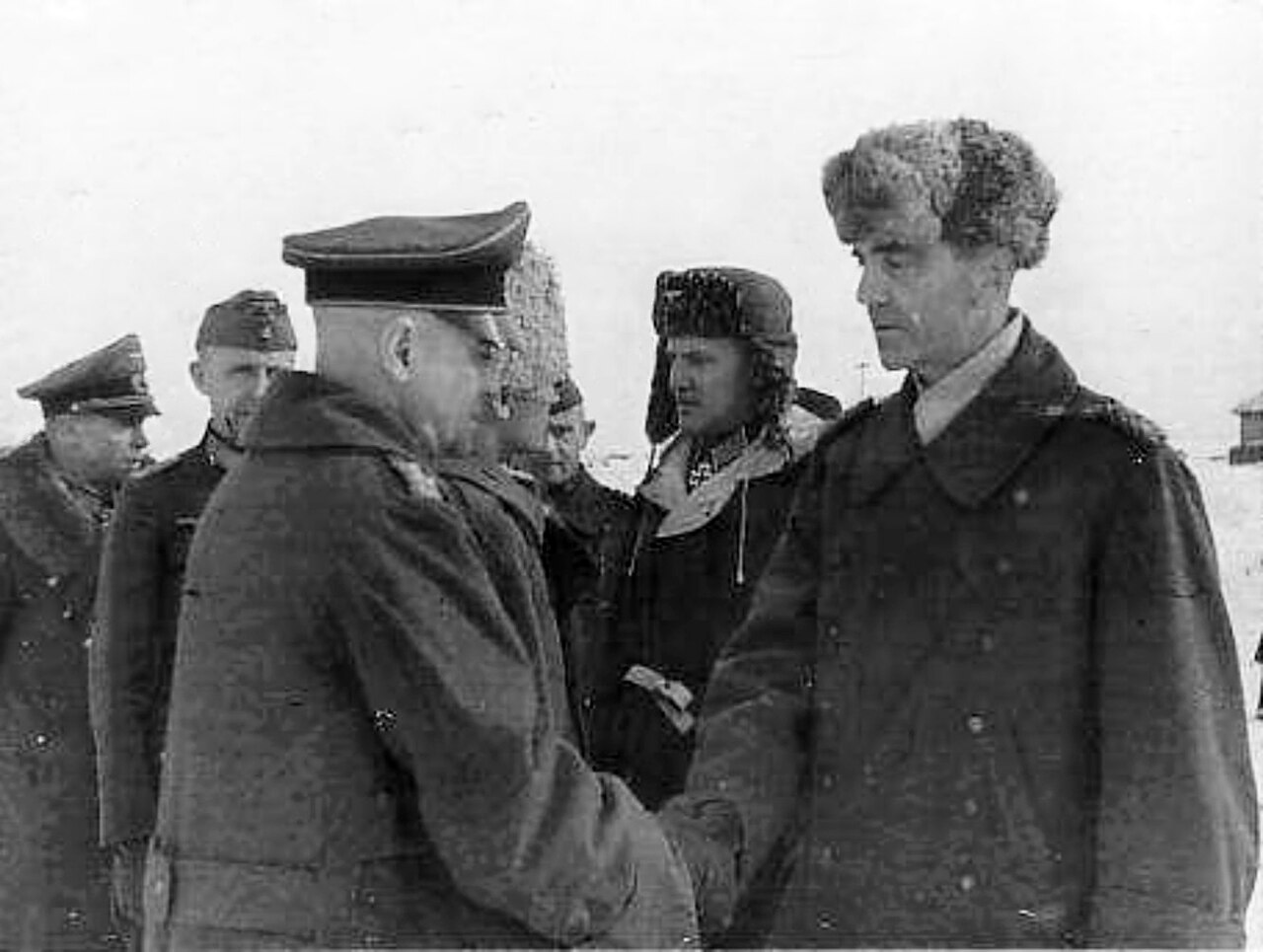
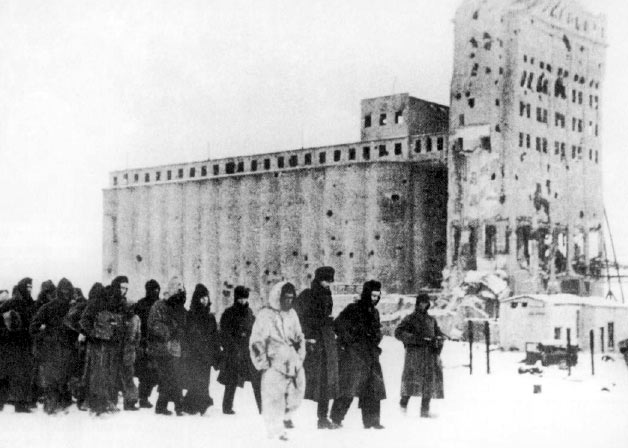
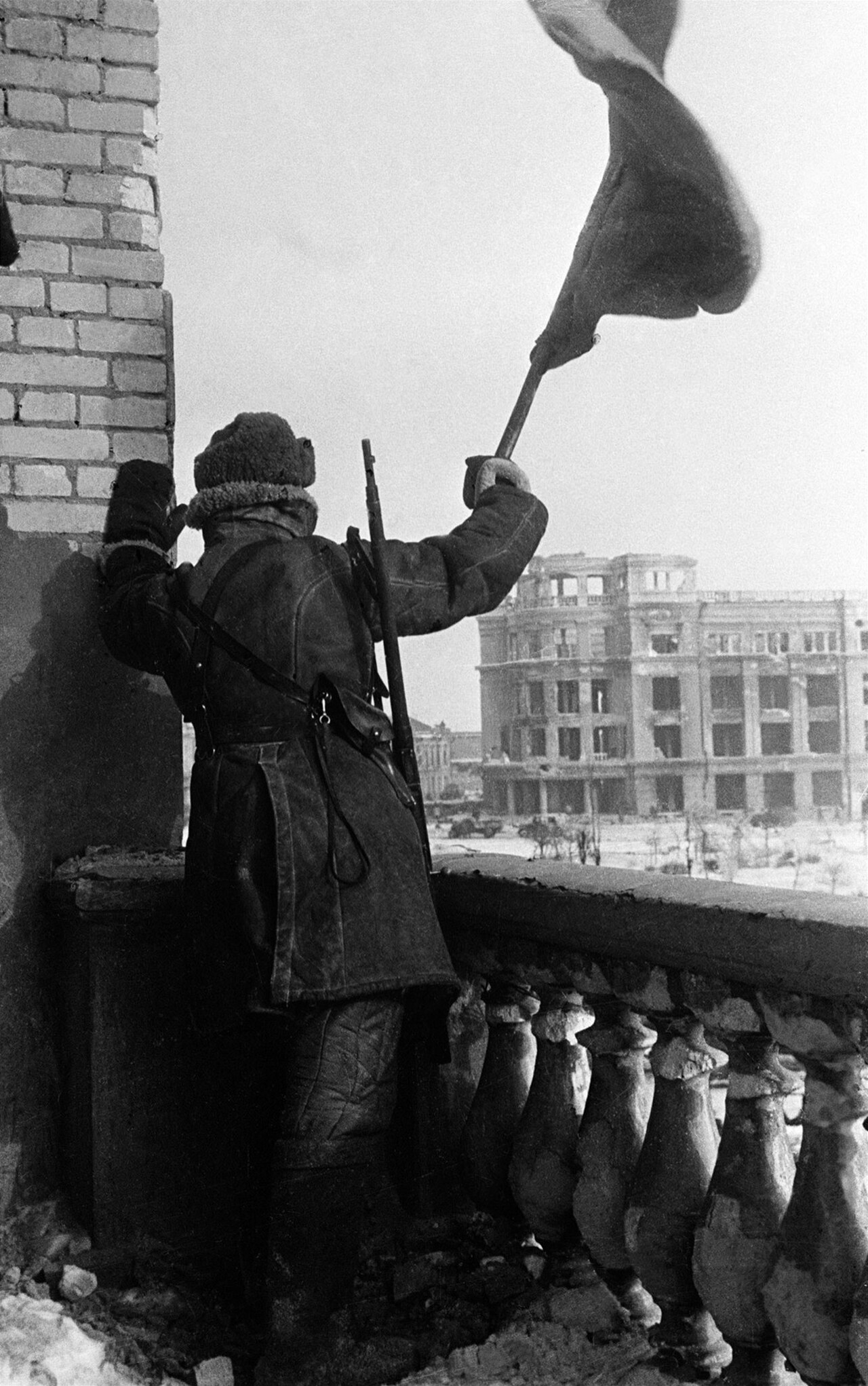
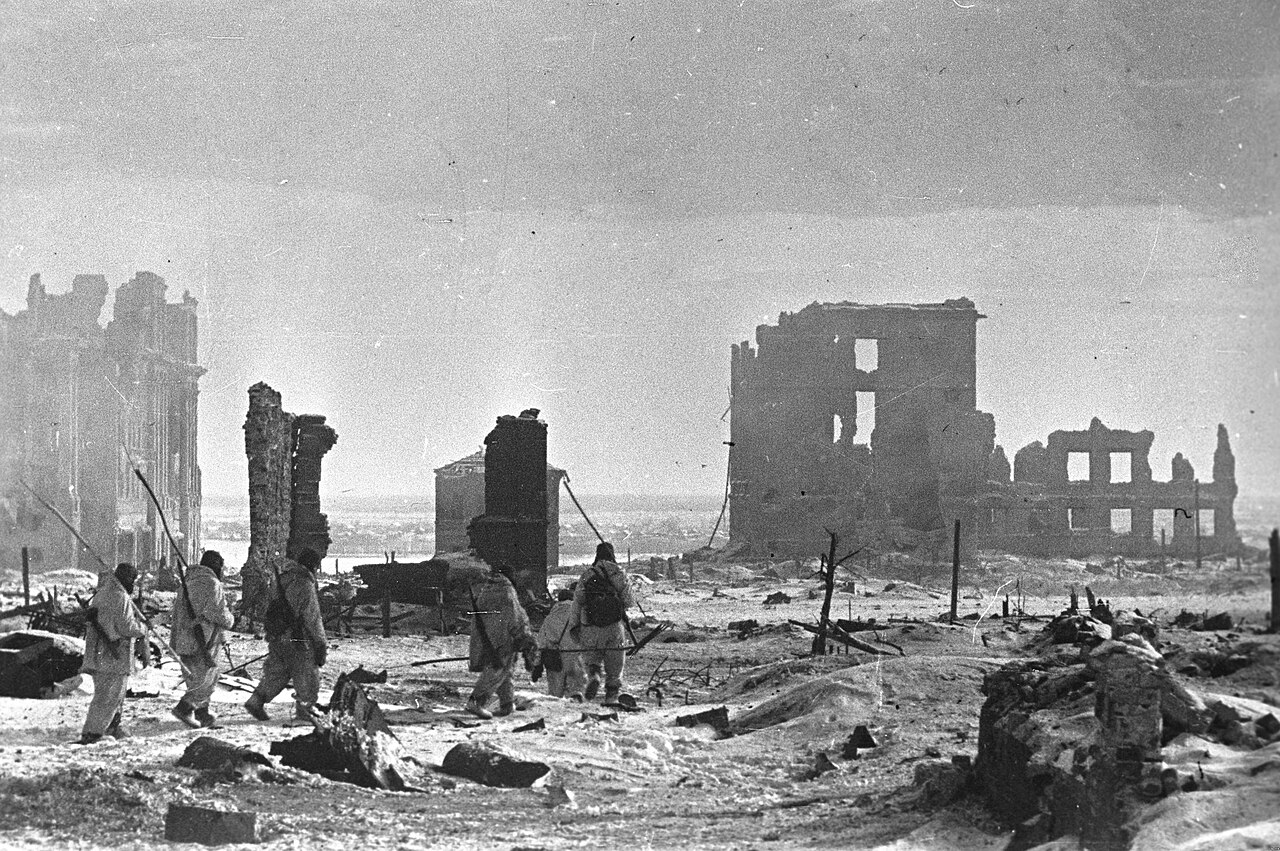
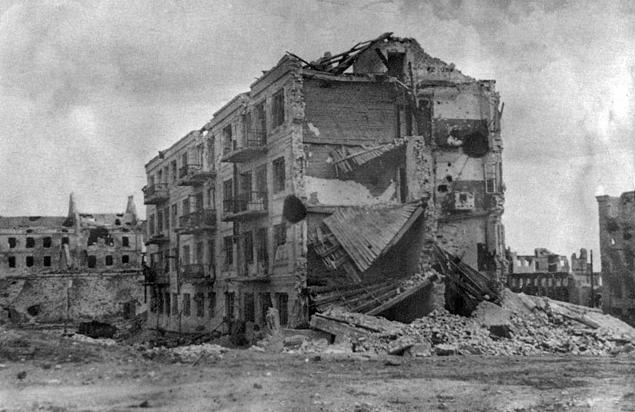
German commanders meet with Friedrich Paulus, August 1942, before the city fighting began. The Bundesarchiv lists the exact location as unknown. Photo: German Federal Archives Soviet soldiers during a street fight in Stalingrad, September 1942. Photo: Georgy Zelma, RIA Novosti archive #602770A destroyed T-34 in Stalingrad, photographed by a German propaganda company on October 5, 1942. The original caption called it a witness to the heaviest fighting. Photo: German Federal Archives A battery of Katyusha rocket launchers firing at German positions, October 6, 1942. Photo: Georgy Zelma, RIA Novosti archive #303890Destruction in Stalingrad, November 1942, photographed from the German side. Photo: German Federal Archives (Bundesarchiv, Bild 183-B22631), photographer Bauer-AltvaterA captured industrial works in Stalingrad reduced to ruins, November 1942. German propaganda company photograph. Photo: German Federal Archives Soviet soldiers make their way through the ruins, November 1942. Photo: Georgy Zelma, RIA Novosti archive #2391Lieutenant General Vasily Chuikov, centre, commanding the 62nd Army, with Lieutenant General Kuzma Gurov of the army’s military council, Stalingrad, November 1942. Photo: Main Archive of MoscowFriedrich Paulus watches the front through a scissor periscope, November 1942. Photo: Polish National Digital Archives.Medical orderlies Filipp Sterkhov and L. Barlina of the 36th Guards Rifle Division bandage a wounded soldier, November 18, 1942. Photo: Emmanuil Yevzerikhin. Soviet troops advancing near Kalach, November 1942. The two arms of Operation Uranus met here and sealed the Sixth Army inside the pocket. Photo: Unknown Soviet photographer. Red Army infantry fighting inside one of the workshops of the Red October steel works. Photo: Unknown Soviet photographer. Soviet submachine gunners in a trench during the battle, 1942. Photo: Emmanuil Yevzerikhin. Snipers in camouflage capes entering a destroyed house, December 1942. Photo: Georgy Zelma, RIA Novosti archive #450Vasily Zaytsev, left, briefing other snipers of the 62nd Army, December 1942. Their rifles are scoped Mosin-Nagants. Photo: Georgy ZelmaThe ruined city seen through a shell hole, December 23, 1942. Zelma filed the picture under the title “Destroyed Stalingrad does not give up.” Photo: Georgy Zelma, RIA Novosti archive #2251German soldiers beside a Junkers Ju 52 at Pitomnik, the main airfield inside the pocket. The airlift never came close to the tonnage the Sixth Army had been promised, and Pitomnik was lost in January 1943. Photo: Unknown photographer.Inside the Red October works after the bombing, January 1943. Photo: Georgy Zelma, RIA Novosti archive #2383Paulus and his adjutant are escorted to the headquarters of the Soviet 64th Army, January 31, 1943, the day he surrendered. Photo: Unknown Soviet photographer. Paulus with Colonel General Walter Heitz and other captured generals of the Sixth Army, February 1943. Photo: Unknown photographer. German prisoners marched out of Stalingrad past the grain elevator, 1943. Of roughly 91,000 men taken at the end, only a small fraction ever came home. Photo: Unknown Soviet photographer. A Red Army soldier raises the red flag over a square in Stalingrad, February 2, 1943, the day the last German pocket surrendered. Photo: Abram Krichevsky, TASS photo archive. The center of Stalingrad after the German surrender, February 2, 1943. Photo: Georgy Zelma, RIA Novosti archive #602161The apartment block known as Pavlov’s House, 1943. A small Soviet garrison held it for weeks against repeated assaults. Photo: Unknown photographer, Russian State Military Archive. The “Children’s Round Dance” fountain on the station square, still standing in the wreckage after the battle. A version of this scene became the most reproduced image of Stalingrad. Photo: Sergey Strunnikov.