Sparta remains one of the most culturally relevant regions of world history, in large part thanks to media that found mass success, such as the 2006 movie 300. As a result, the reality of Spartan life and leadership has become distorted, and it is not uncommon to find people who believe that Sparta represents the purest form of a warrior society in human history.
While it is true that the Spartan state was an effective and military-focused unit, ideas such as every male citizen being raised for combat since birth have been overemphasized to the point of myth. These images have been constructed, less through the Spartans’ own representations, and more as a combination of external observers, later reinterpretations, and popular culture.
In fact, Sparta left behind relatively little written material of its own, which means that understanding of its practices typically derived from outsiders: either rivals who could freely spin Spartan society as they wished or admirers who may have crept into hyperbole. As a result, the narrative has shifted toward extremes.
To understand the reality of Spartan life and the nation-state’s influence on the world around it, we must see the more complex picture provided by archaeological evidence and more diverse literary sources. The gap between popular image and historical reality is more nuanced than it may appear.
The Problem With Sources
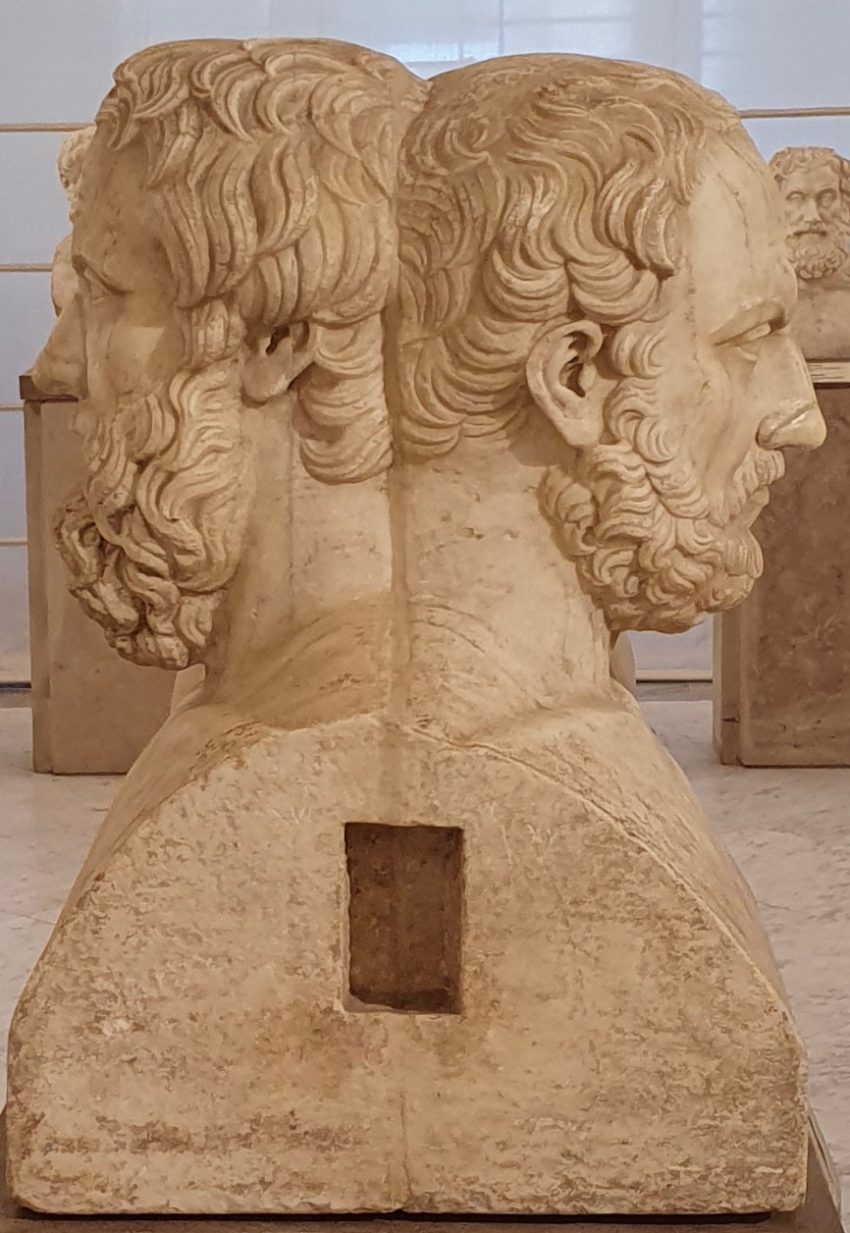
Most people assume that the history of Sparta is clear; after all, it was written about extensively by notable names such as Herodotus. However, the problem is that evidence of Spartan culture is more limited than one might believe. Most sources were not contemporary, and of those that were, bias was evident.
The historian Herodotus, for example, provided some of the earliest accounts, specifically focusing on Spartan action during the Persian Wars. However, his writing relied heavily on oral traditions, which tended to emphasize dramatic episodes and retellings. Thus, it is important to keep this context in mind when evaluating his work, especially surrounding the battle at Thermopylae.
A more analytical source is available from Thucydides, who wrote about the Peloponnesian War. His primary focus was Athens, though, and how he portrayed Sparta is often filtered through the lens of Athenian politics. Spartan decision-making was therefore not presented within its own institutional logic, but rather just as an interpretation.
Xenophon’s perspective was that of an admirer of Sparta. As such, his admiration led to some level of idealization that obfuscates the reality of Spartan life. Similarly, Plutarch’s biographies, such as Life of Lycurgus, arose centuries after Sparta and are made more of legend, moral lessons, and anecdotes he valued than hard data.
It is through these sources that modern culture has largely perceived the Spartan. Hence the near-legendary status they have achieved among those with only a surface-level (and media-informed) understanding.
A Spartan Warrior for Life
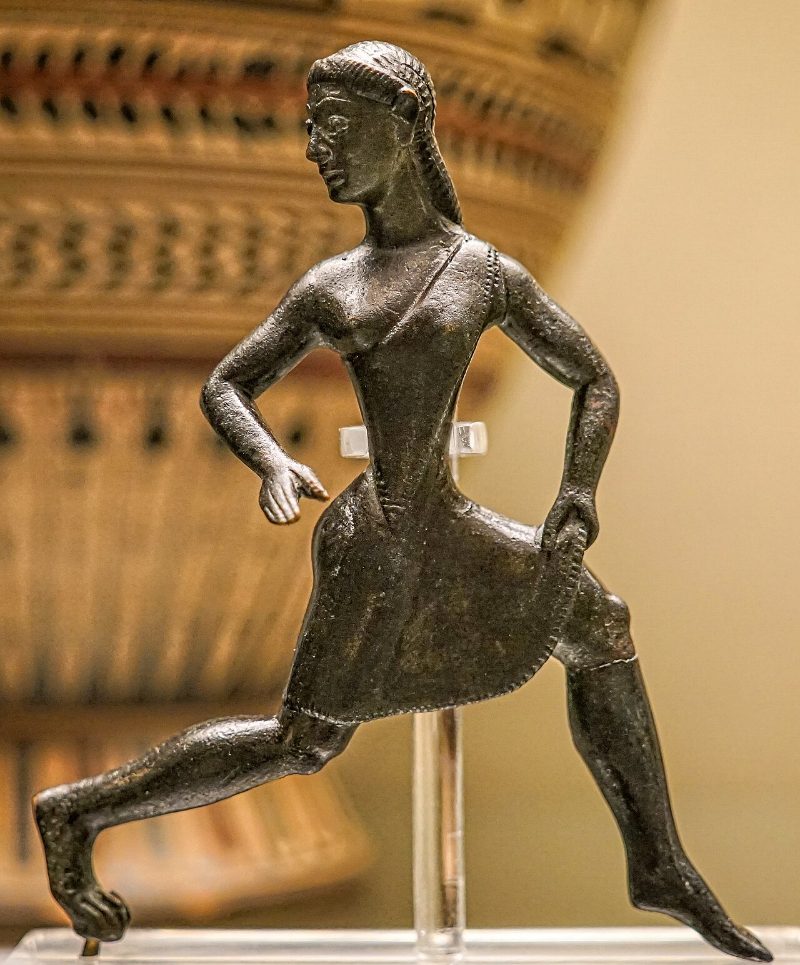
One of the biggest misconceptions is that Spartan society consisted almost entirely of citizen-soldiers, all of whom were trained and active in the military. In reality, the strong stratification of Spartan society left only a small minority of its population as fully trained warriors. At the top of the strata were Spartiates, or full citizens. They had completed state education and had enough economic resources to participate in communal institutions. (They could lose this title if their financial situation declined.)
Below them were the Perioikoi, the free inhabitants of surrounding regions who did not have the political rights of the Spartiates but were still crucial for the economy. And below them, the Helots: subjugated populations providing agricultural labor. Because of the dependence on Helots and the region’s general lack of arable land that pressured the system further, Sparta’s military organization was focused as much on internal control (to keep their labor market steady) as external defense.
Another common myth is that women in Spartan society were uniquely liberated, warrior-like figures. While it is true that women participated in physical training, it was linked more closely to broader social goals such as health and reproduction, not combat readiness. They did have more visibility than women in many other societies, capable of owning property and exercising economic influence.
Many people assume that men who did participate in the military went through a system of relentless brutality designed to produce perfect warriors through constant violence and physical strain. This was called the agoge, and it did exist, but the scale and intensity of alleged extreme practices like ritualized violence are difficult to verify.
Instead, the agoge functioned as a comprehensive system of socialization that instilled discipline, obedience, and group cohesion. Boys were organized into cohorts at a young age, and while it is true that endurance was emphasized and conditions were stringent, the goal was conformity and loyalty rather than some mythical martial excellence.
Culture and the Spartan Military
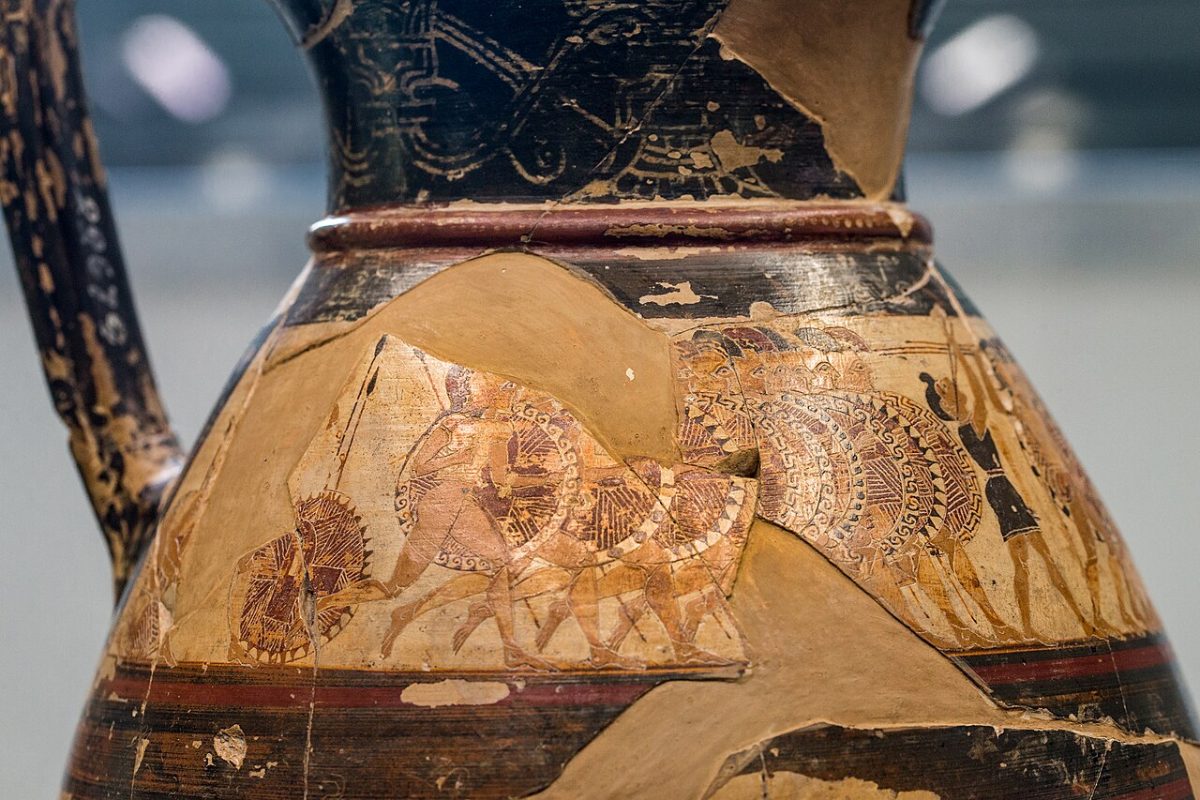
It is within the notion of combat that the majority of misunderstandings about Spartans can be found. People tend to believe that Spartans were unmatched warriors who dominated Greek warfare through superior skill and discipline. However, Spartan military effectiveness was context-dependent. Their reputation surrounded the hoplite phalanx: a type of military formation used by many Greek city-states, not just Sparta.
Spartan forces often made up an elite core within larger allied armies. During major conflicts, they were not prone to handling battles alone; rather, they relied heavily on contributions from other Greek states, as their number was not normally sufficient for large-scale campaigns.
This misconception that Spartan citizens were exclusively focused on warfare consequently led to the belief that Sparta lacked any meaningful economy because everyone was paying attention to the military. In reality, their economy was multifaceted; as mentioned previously, the Helots made up the base of agricultural production. Perioikoi were the trade and craft producers, which allowed Sparta to integrate into regional economic networks.
Although the Spartiates were less involved in the economy so they could focus on politics and the military, the upper class was not inherently militaristic, nor was Sparta a military dictatorship ruled by warrior kings. The system included dual kingship, but their authority was tempered by other political bodies. The Gerousia, a council of elders, held significant authority in both legislative and judicial matters. Because membership was lifelong and seats were limited, Sparta tended toward oligarchic control.
On top of the Gerousia, the Ephors exercised considerable oversight on royal authority. These annually elected public servants were also integral in managing foreign policy. Then, beneath them, the citizen assembly called the Apella could exert some limited control. They functioned more like low-level decision-makers. Thus, Sparta operated as a hybrid system that blended monarchy, oligarchy, and some oblong form of democracy, in contrast to the dictatorial military state people claim, with its warrior kings.
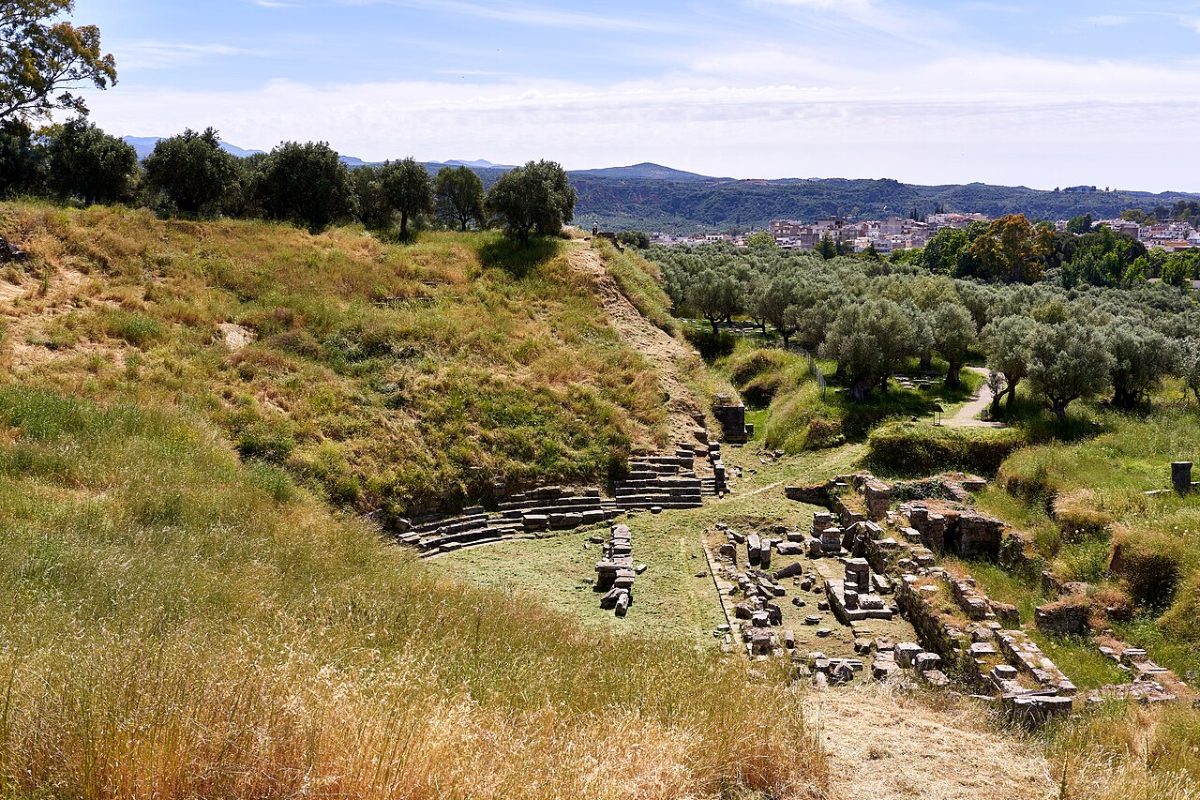
In addition, because of Sparta’s alleged one-track focus on war, it is commonly assumed that the state lacked cultural, religious, and intellectual fervor. It is true that cultural activity was structured differently in Sparta compared to other Greek city-states, but religious practices were still a focal point of civic life. As per the importance Spartans placed on social cohesion (e.g., the agoge), festivals and rituals that brought the community together were common.
At such events and within education, music and poetry played a role. However, rather than serving as an avenue for individual artistic expression, they were often tied to collective identity. The fact that Sparta has many fewer surviving artistic and architectural achievements compared to, say, Athens is a reflection of its different priorities, not a lack of any culture at all outside of the military.
Famous Spartan Military Achievements and the Decline of Sparta
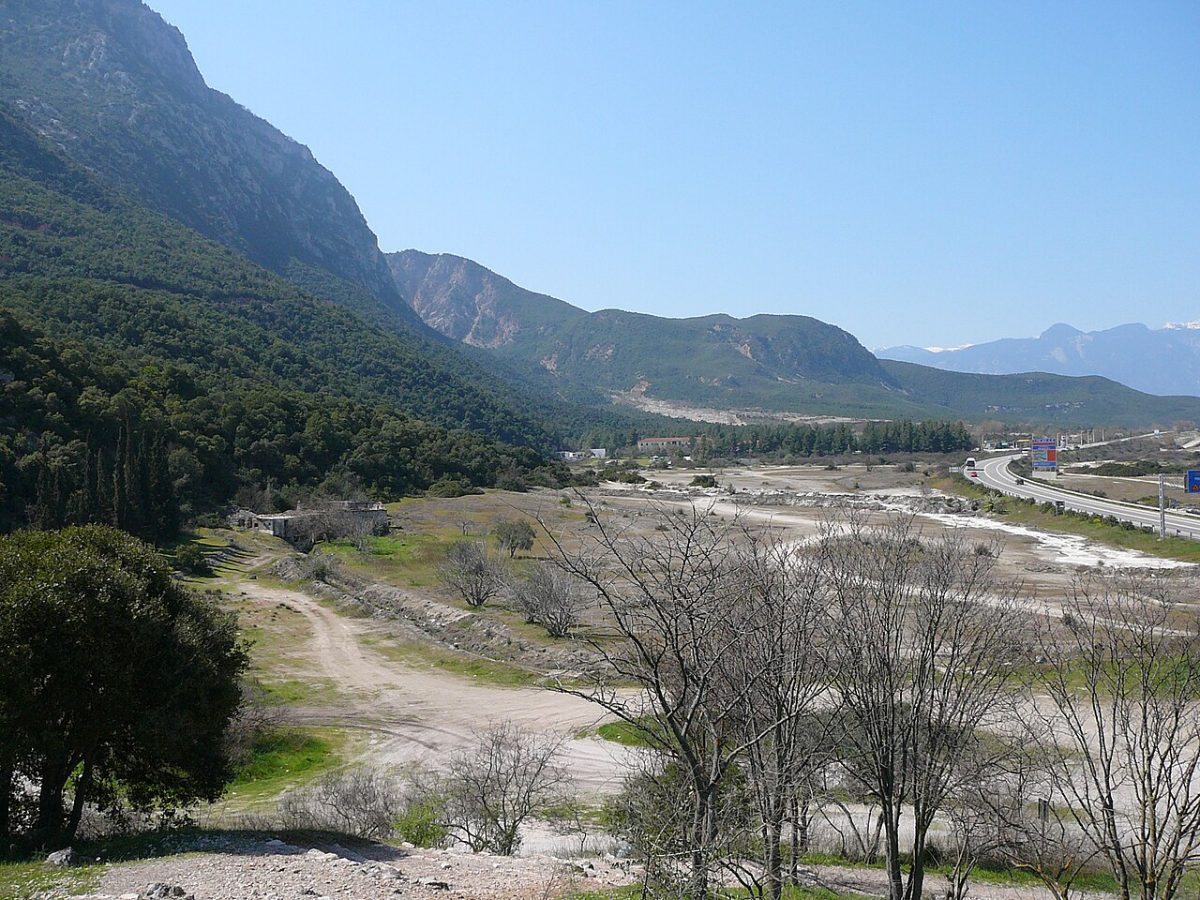
Of all the wrong impressions about Sparta, perhaps none is more popular than their military exploits and Thermopylae (also called the Hot Gates) in particular. This battle was represented in great detail in movies such as 300, providing a skewed perception of Spartan military control and tactical outcomes.
Sparta did not rely solely on military strength to the exclusion of diplomacy. Their foreign policy was pragmatic, with alliances and negotiations essential components of their strategic approach. During the Persian Wars specifically, Sparta was part of a broader coalition. It, by itself, was not singularly decisive.
The Battle of Thermopylae is perhaps the single most influential episode in the construction of this modern idea that Spartans were near-mythic, superhuman warriors. As represented in pop culture, most people believe that 300 lone Spartans stood against the massive Persian army at the Hot Gates, fighting to the last man.
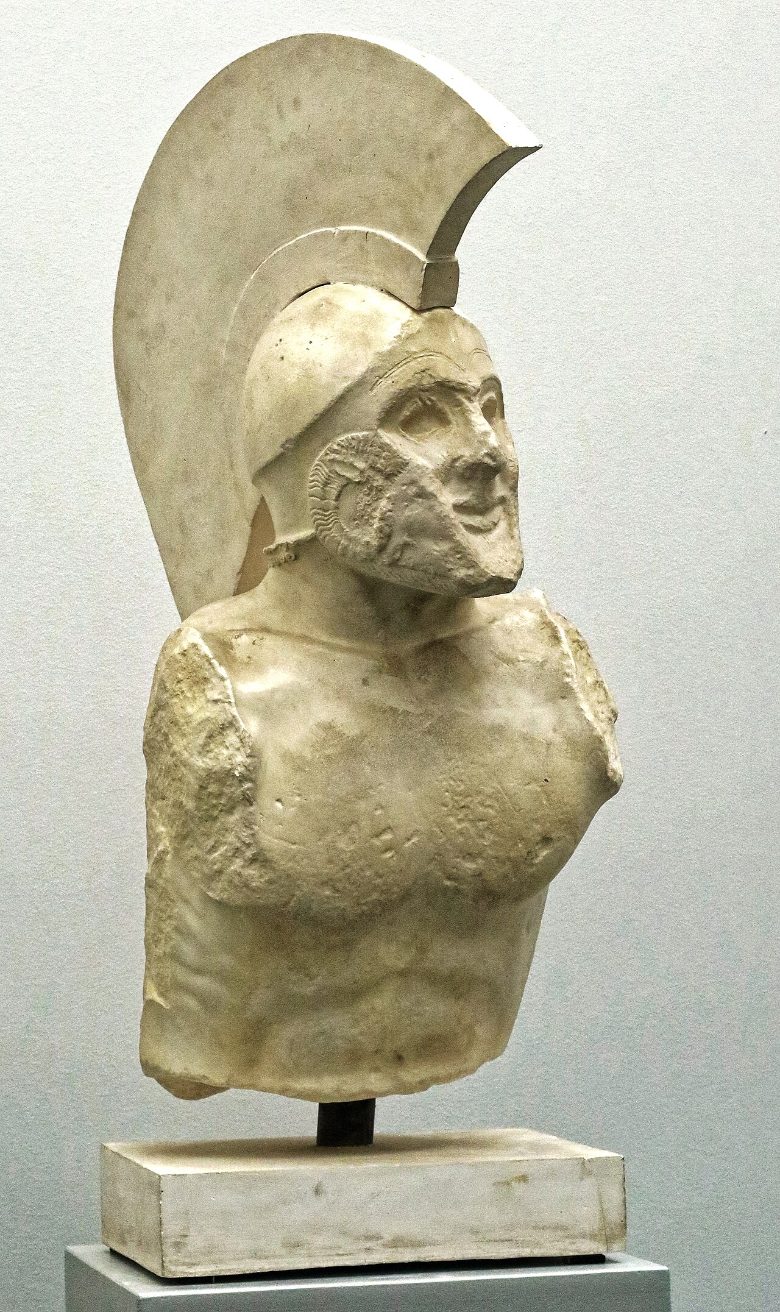
While it is true that these few hundred Spartans were present (as the royal guard led by King Leonidas I), they were simply elite forces comprising one component of a broader Greek army. The Greek force initially numbered in the thousands, all from multiple city-states. Even in the final phase of the battle after most Greek forces had withdrawn, Spartans continued to engage alongside several hundred Thespians and a contingent of Thebans.
Another misconception about this battle specifically was Leonidas’ decision to make his final stand at Thermopylae. It is commonly represented as a spontaneous and heroic act of sacrifice in which Spartans, by their code, chose death because retreat was not morally an option. Instead, Leonidas’ decision to stay was informed by strategy.
The Persians had outflanked the Greek position, and Leonidas’ action allowed other Greek forces to withdraw in an organized fashion. In other words, Leonidas was preserving the larger force. The hyperbolic suggestion that this remaining force stood against Xerxes’ millions of soldiers is widely regarded as abjectly false; Xerxes’ army was likely tens of thousands, or perhaps a couple hundred thousand at the very uppermost limit. Archeological evidence from supply lines, terrain, and the region’s general military logistics does not support a larger number.
At the Hot Gates themselves, where the geography narrowed, the Persian advantage in numbers was lost. This has led to the belief that 300 Spartans held the pass thanks to their uniquely superior skills that put them head and shoulders above any other Greek soldiers. Leonidas’ effectiveness at Thermopylae was a standard Greek tactic: the phalanx. Heavily armored hoplites could fit in a tight formation in these conditions, and other Greek contingents performed well in similar situations. While it is true that Spartan training and discipline were formidable and played a role in the endurance and attitudes of these warriors, they were not dramatically different than other Greek participants.
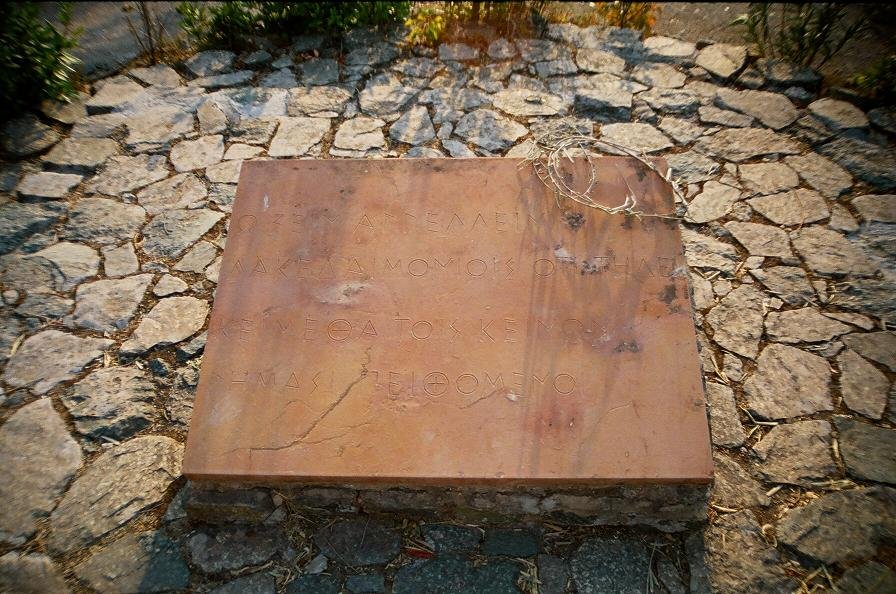
But how did such a “mythic” contingent allow themselves to be flanked in the first place? Herodotus identified a man by the name of Ephialtes as a betrayer among the ranks, sneaking away to inform the Persians of a mountain path around the side of the Greeks. While historians suggest that this event did occur, it is important to note that there is not consensus about whether Ephialtes’ actions directly contributed to the Spartan defeat.
The reality was that the existence of alternative routes around Thermopylae was not a secret. The terrain was known and possibly even mapped. The failure that led to being outflanked most likely came from insufficient guarding of the path, not Ephialtes’ specific act of betrayal. The loss at Thermopylae more closely resembles an intelligence failure and inherent difficulty defending a position with limited manpower than it does a sudden flip in the winning side.
After Thermopylae, Sparta, alongside the rest of the Greek empire, began its decline. Many laypeople attribute this decline to Sparta’s abandonment of its traditional values and a reduction in its militaristic outlook. But the decline of Sparta was driven by structural forces. Due to restrictive social policies, the number of full citizens (Spartiates) decreased over time, weakening the state’s military capacity (which was already low in numbers).
The citizen body continued to shrink as economic inequality concentrated the region’s land ownership in just a few hands. The Spartans’ inability to fix these challenges, which were inherently tied to the structure of their state, contributed to their decline. In some sense, Sparta’s rigidity could be seen as a liability leading to their fall rather than a strength.
While historical tales can provide inspiration and intrigue, it is important to remember that grandiose stories, as engaging as they may be, are separate from true historical accounts. There is no shame in enjoying 300 and other modern representations of the Spartan people. But examining the reality behind these tales can bring a more rounded understanding that deepens the narrative.