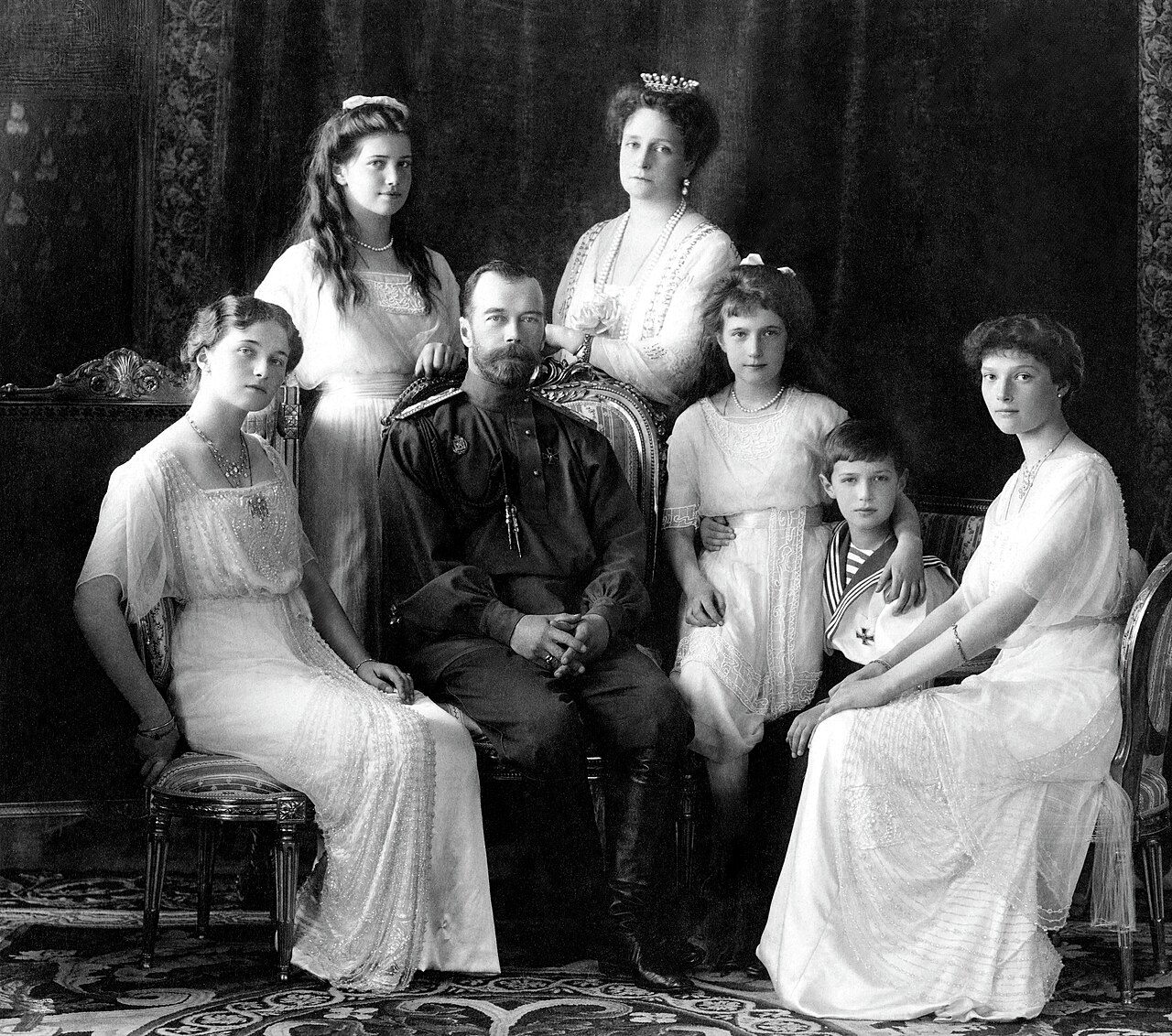
The Romanovs had ruled Russia for three hundred years, and in 1913 they spent a season being photographed about it: parades, cathedrals, crowds along the Volga.
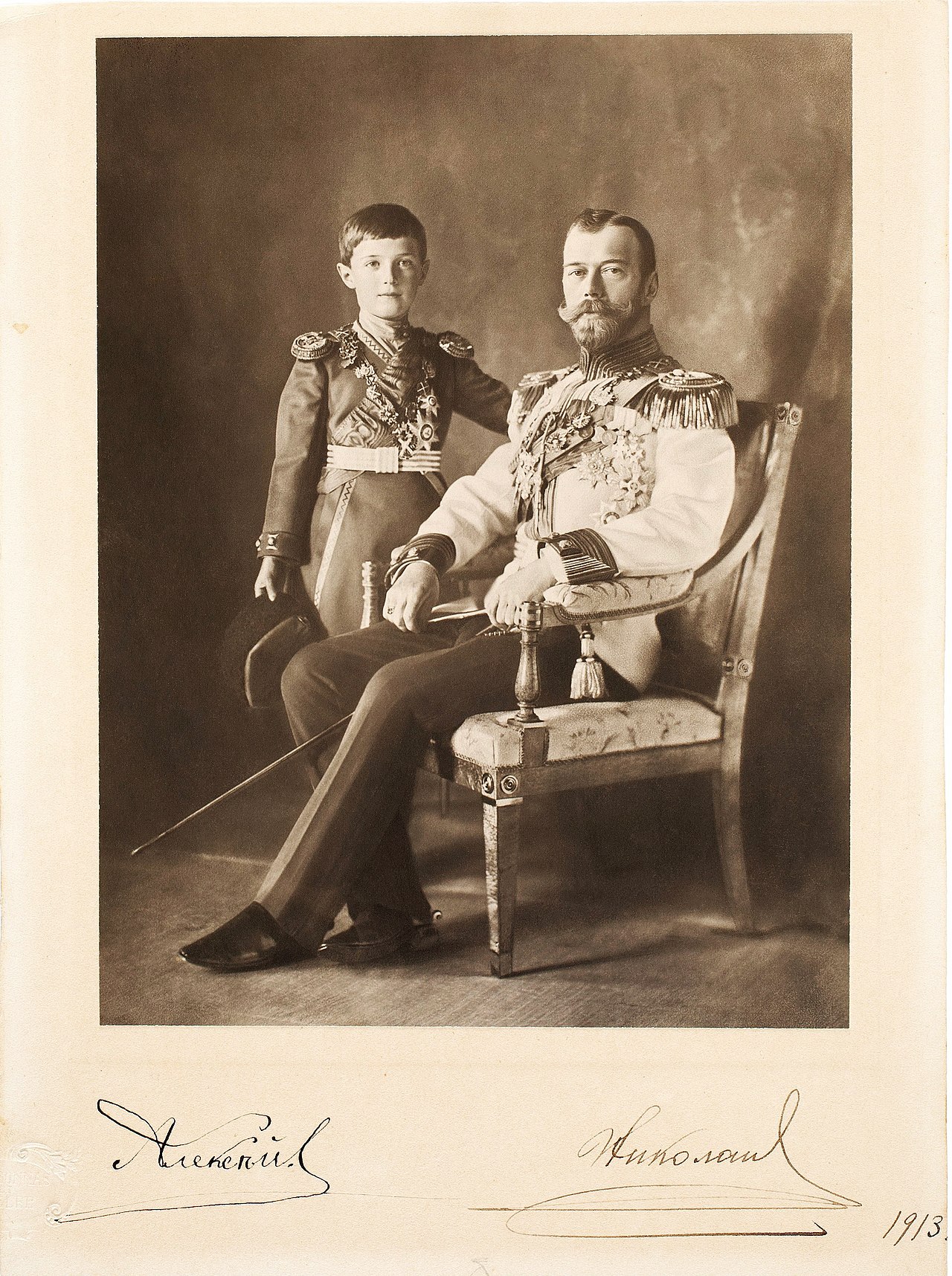
Nicholas II was forty-five. His heir, Alexei, was eight and could not be allowed to fall over, because he had hemophilia and a bruise could be fatal.
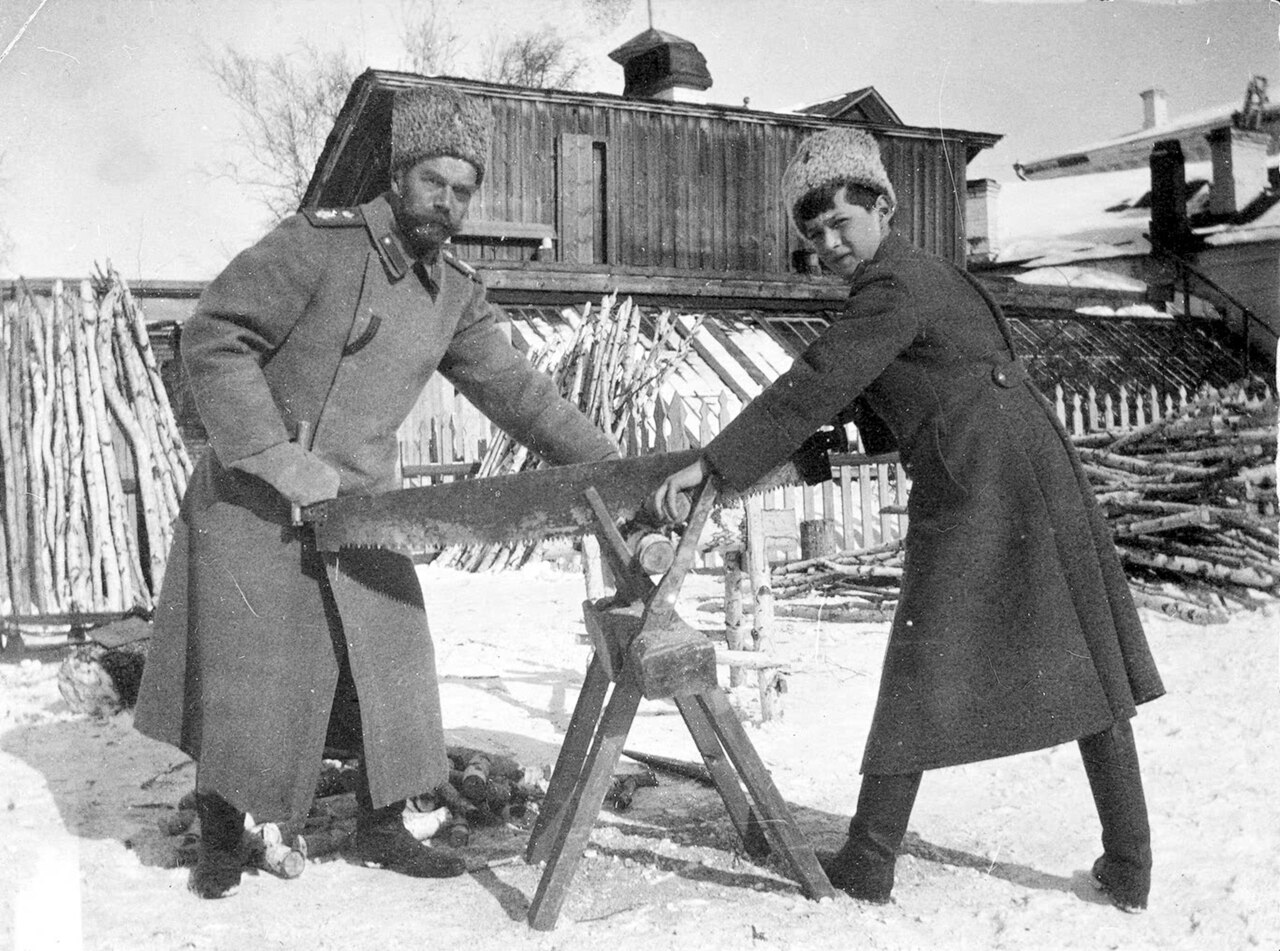
Four years later the dynasty was finished. Nicholas abdicated in a railway carriage at Pskov in March 1917, first for himself and then for his son, with his brother declining the crown the next day. The Provisional Government put the family under guard at the Alexander Palace, where they gardened, sawed wood and were photographed doing it.
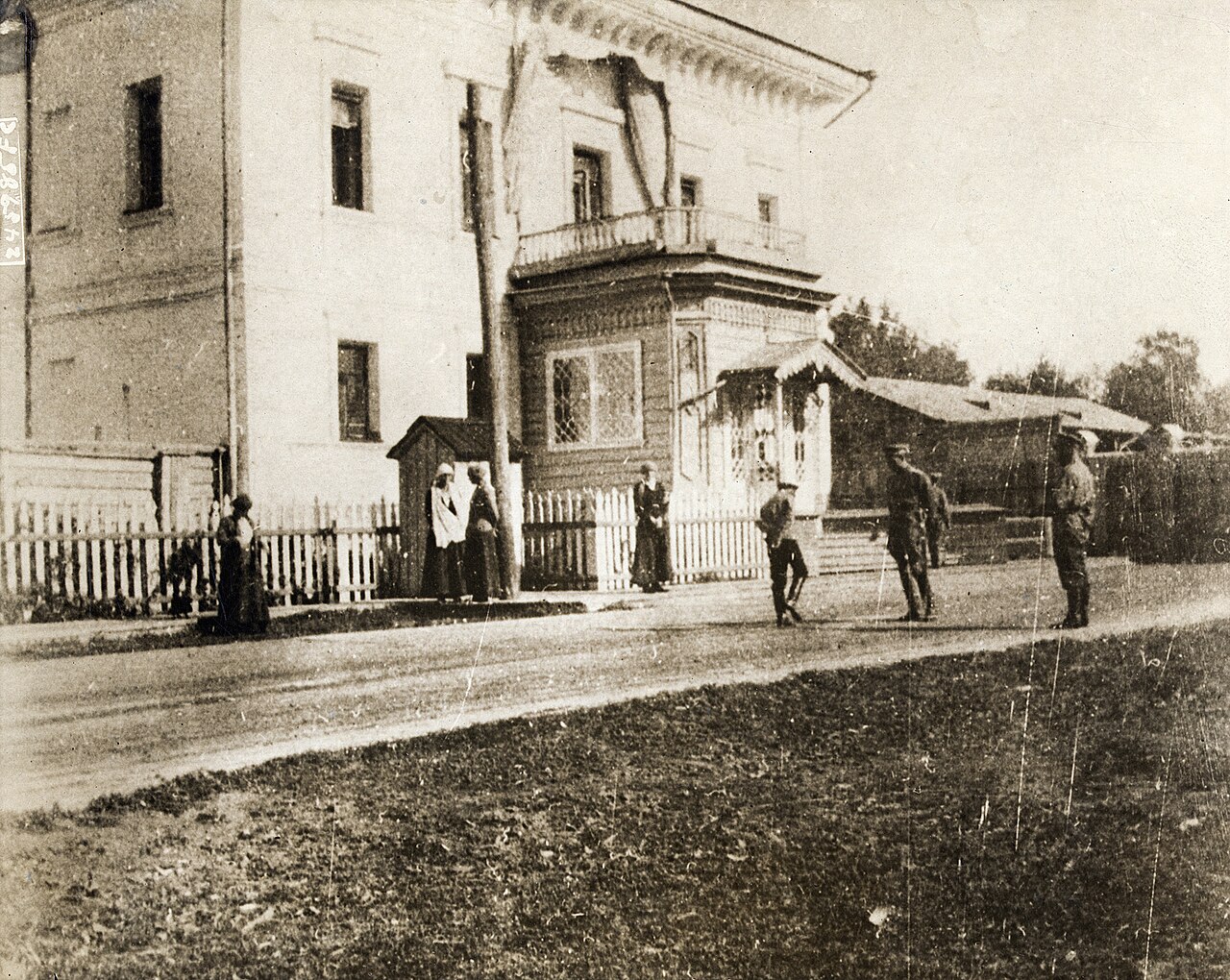
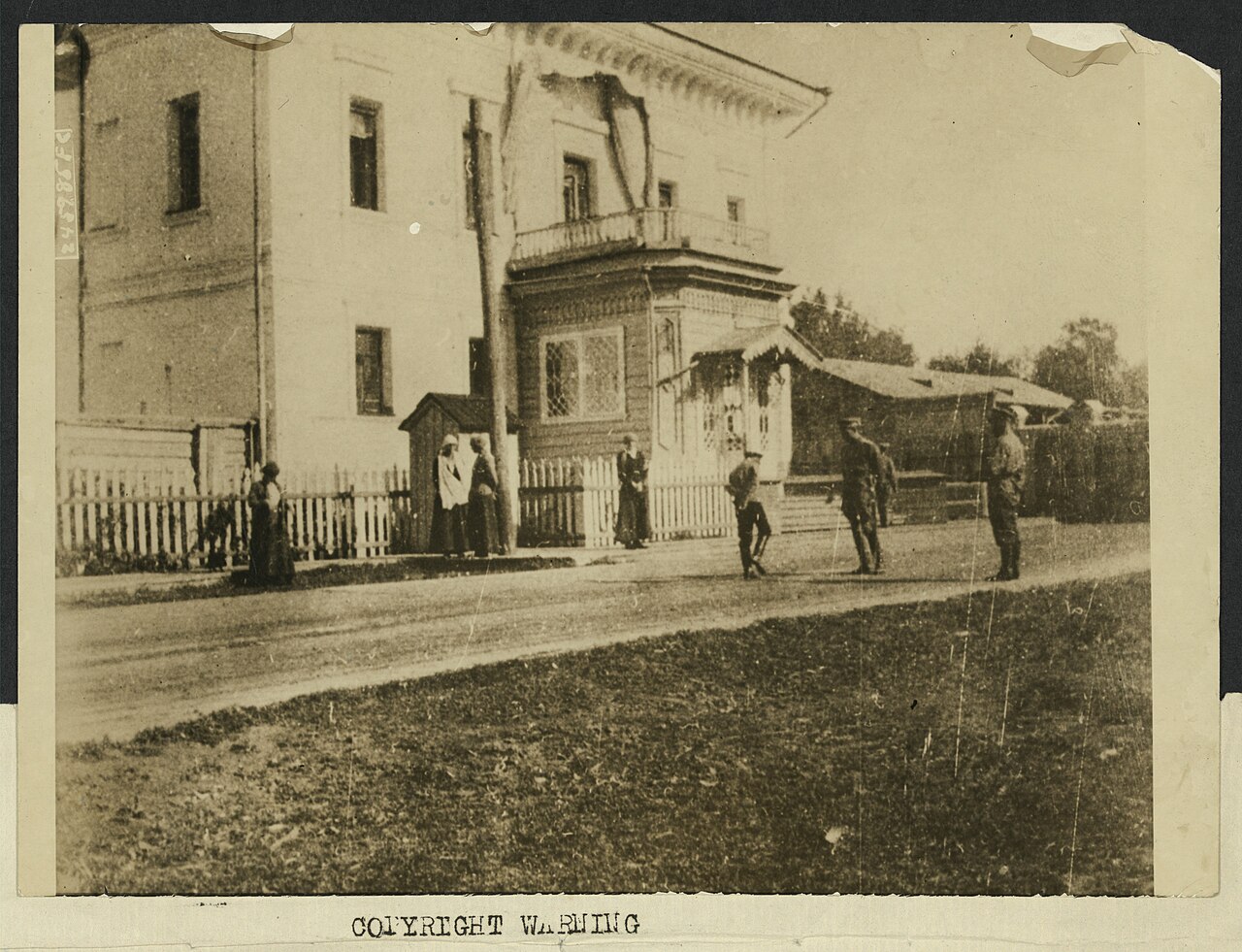
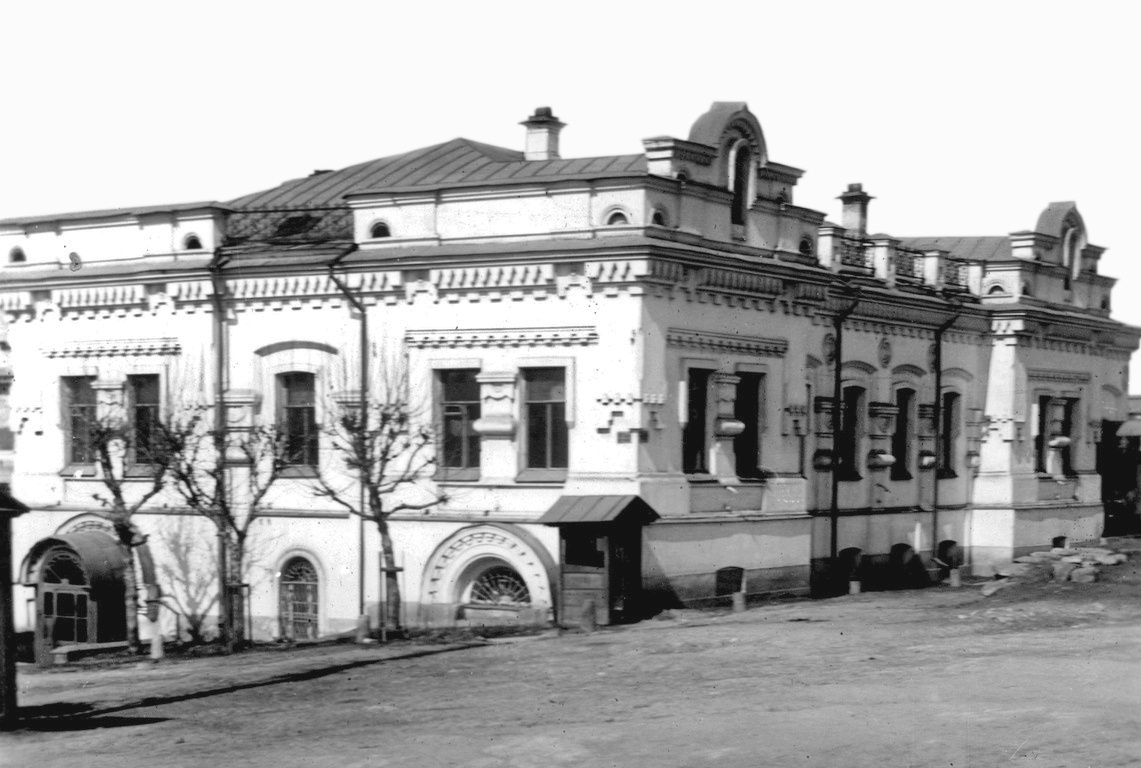
In August, they were sent east to Tobolsk, and in the spring of 1918, they were moved again to a merchant’s house in Yekaterinburg that the Bolsheviks called the House of Special Purpose, where they were killed early on July 17, 1918, together with four members of their household.
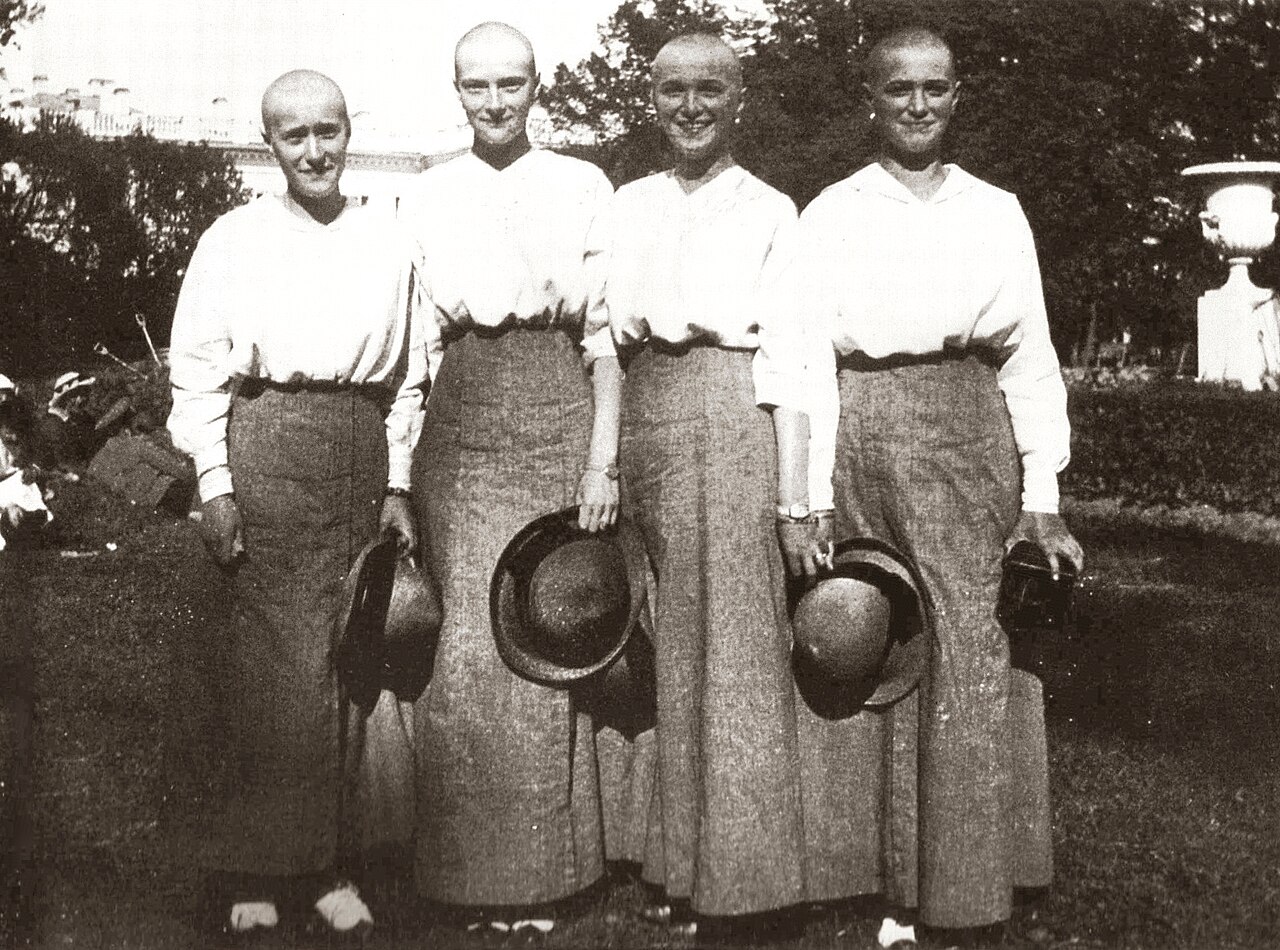
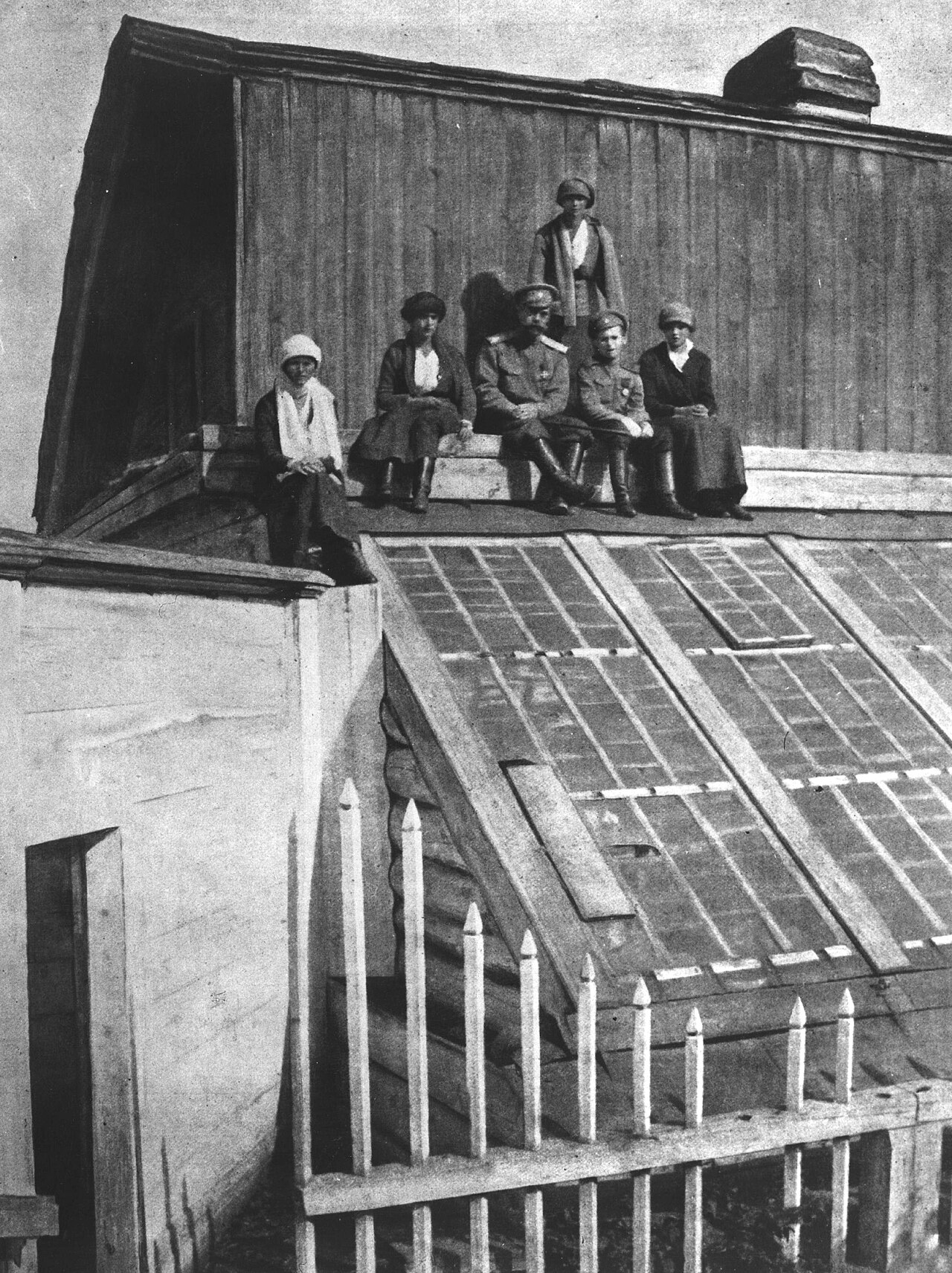
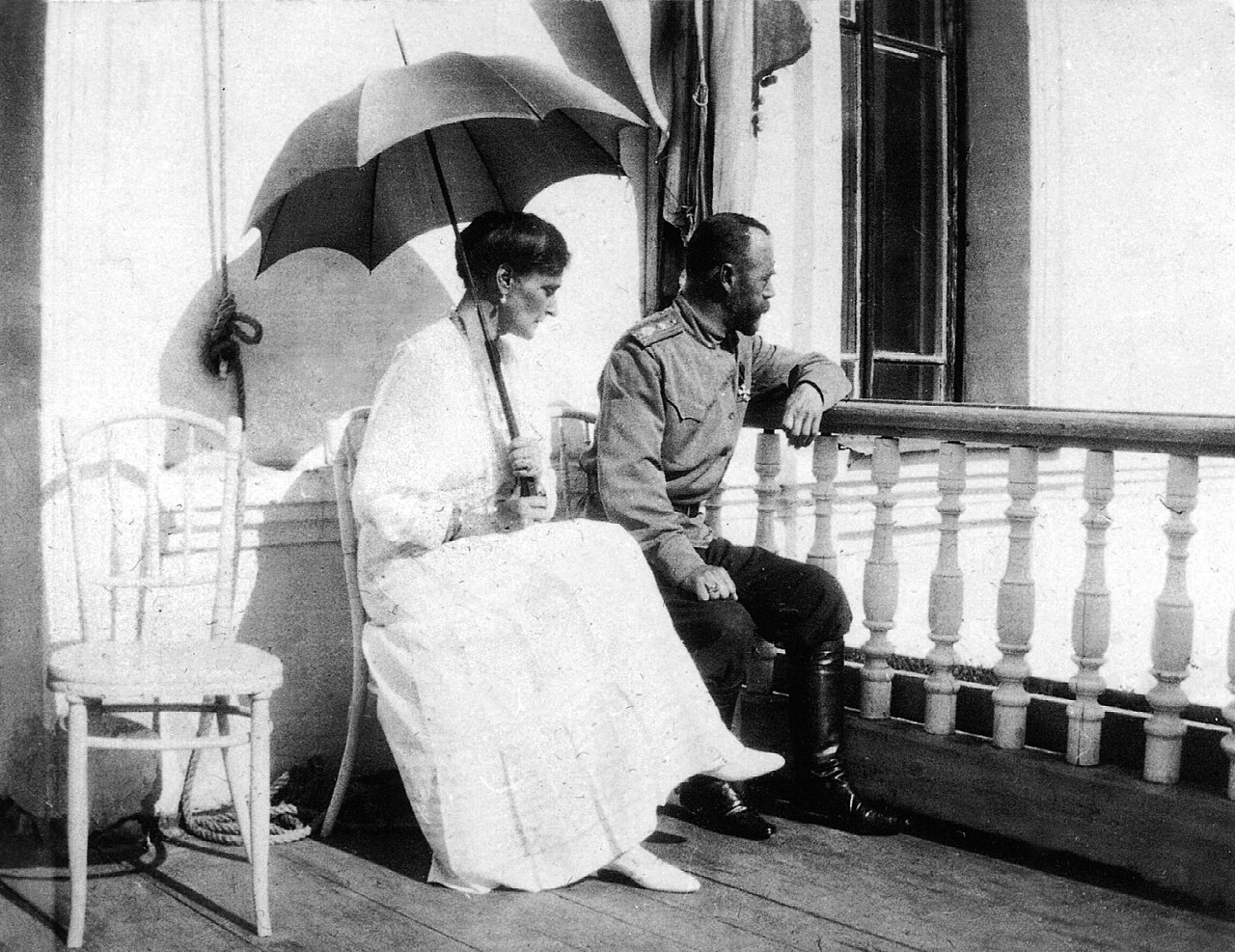
Most of the pictures below were taken by the family themselves. They were keen amateur photographers and they kept it up in captivity: the daughters with their heads shaved after measles, the children on a greenhouse roof at Tobolsk, the last known frame of Nicholas and Alexandra together.
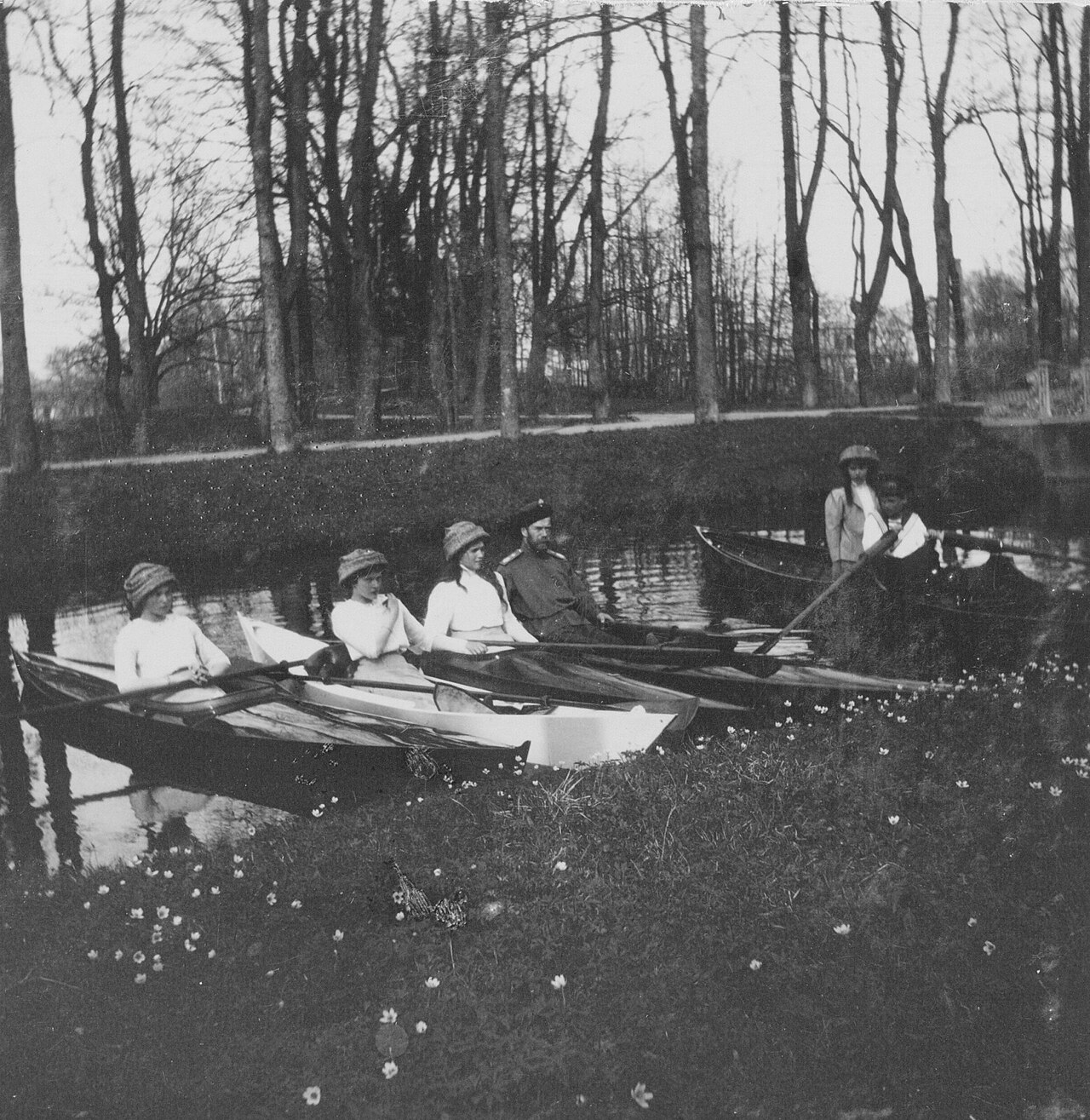
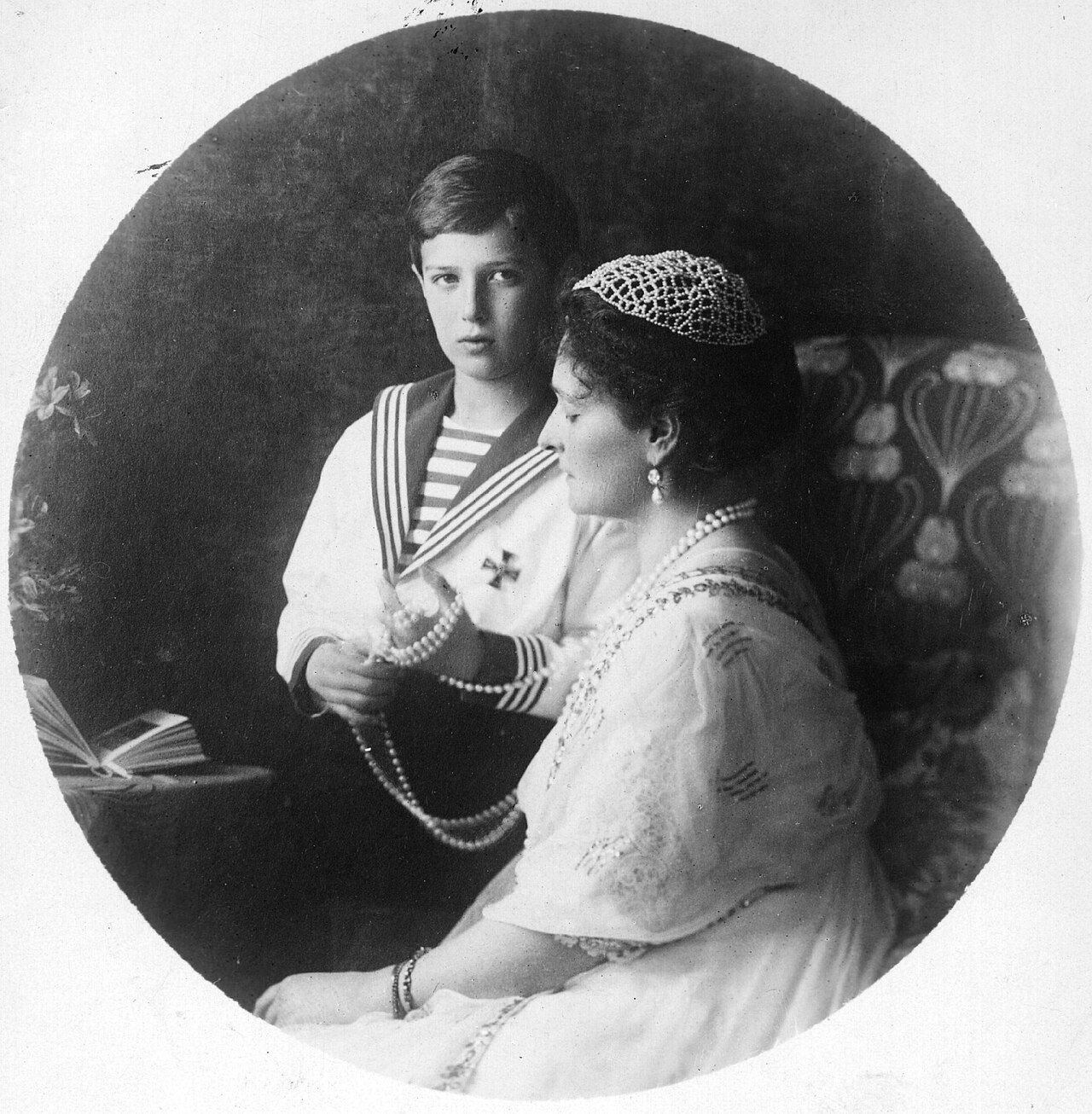
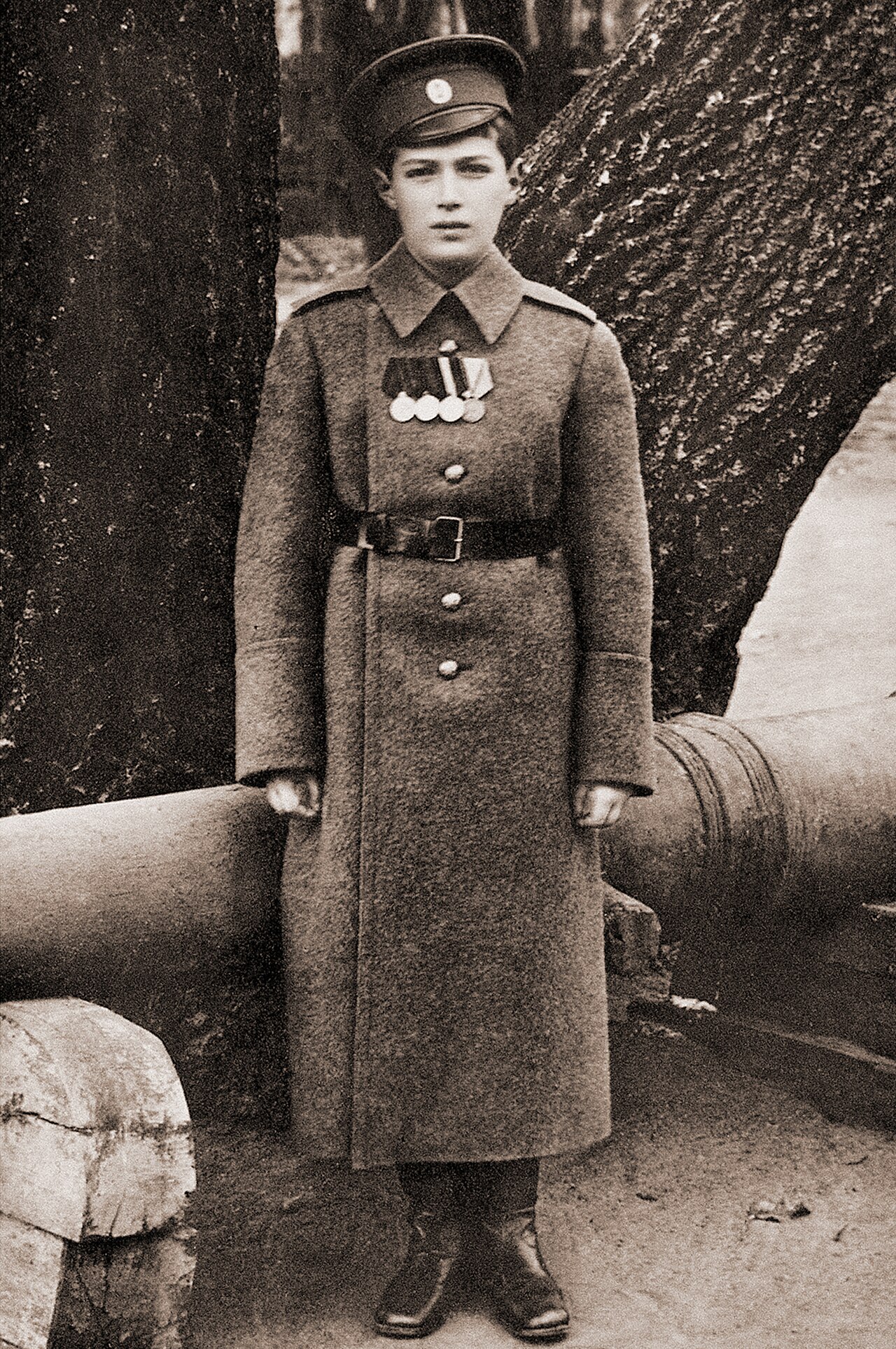
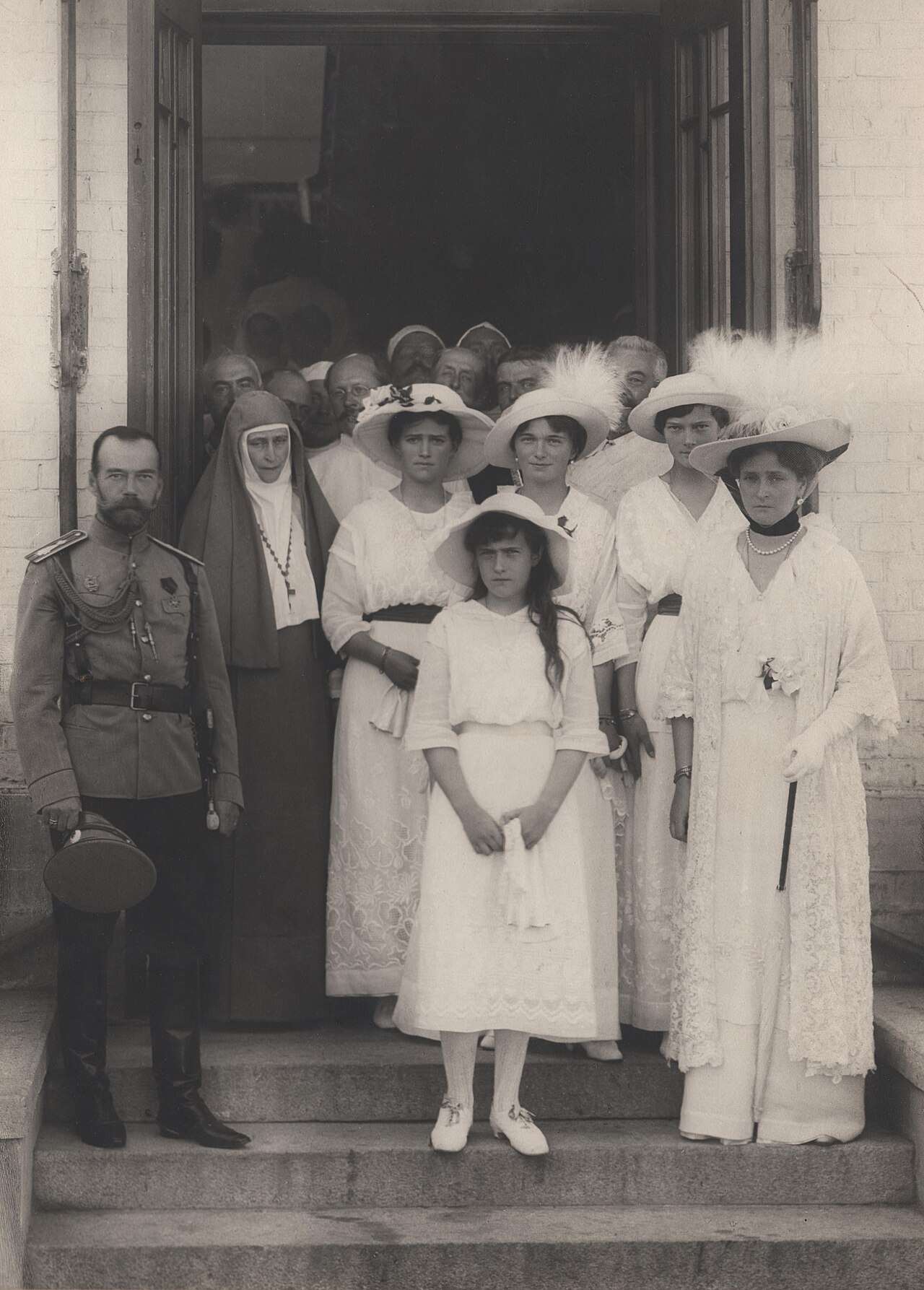
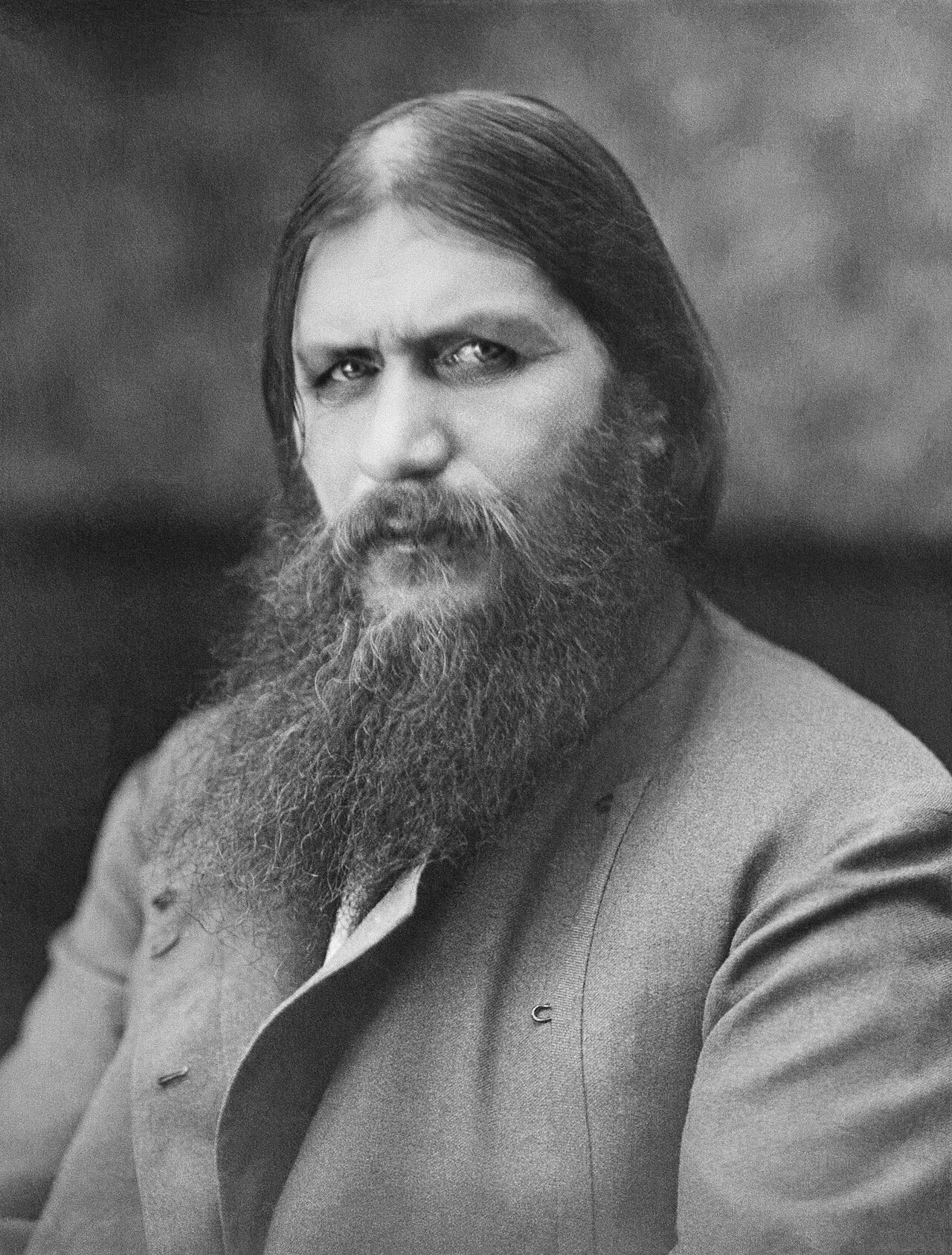
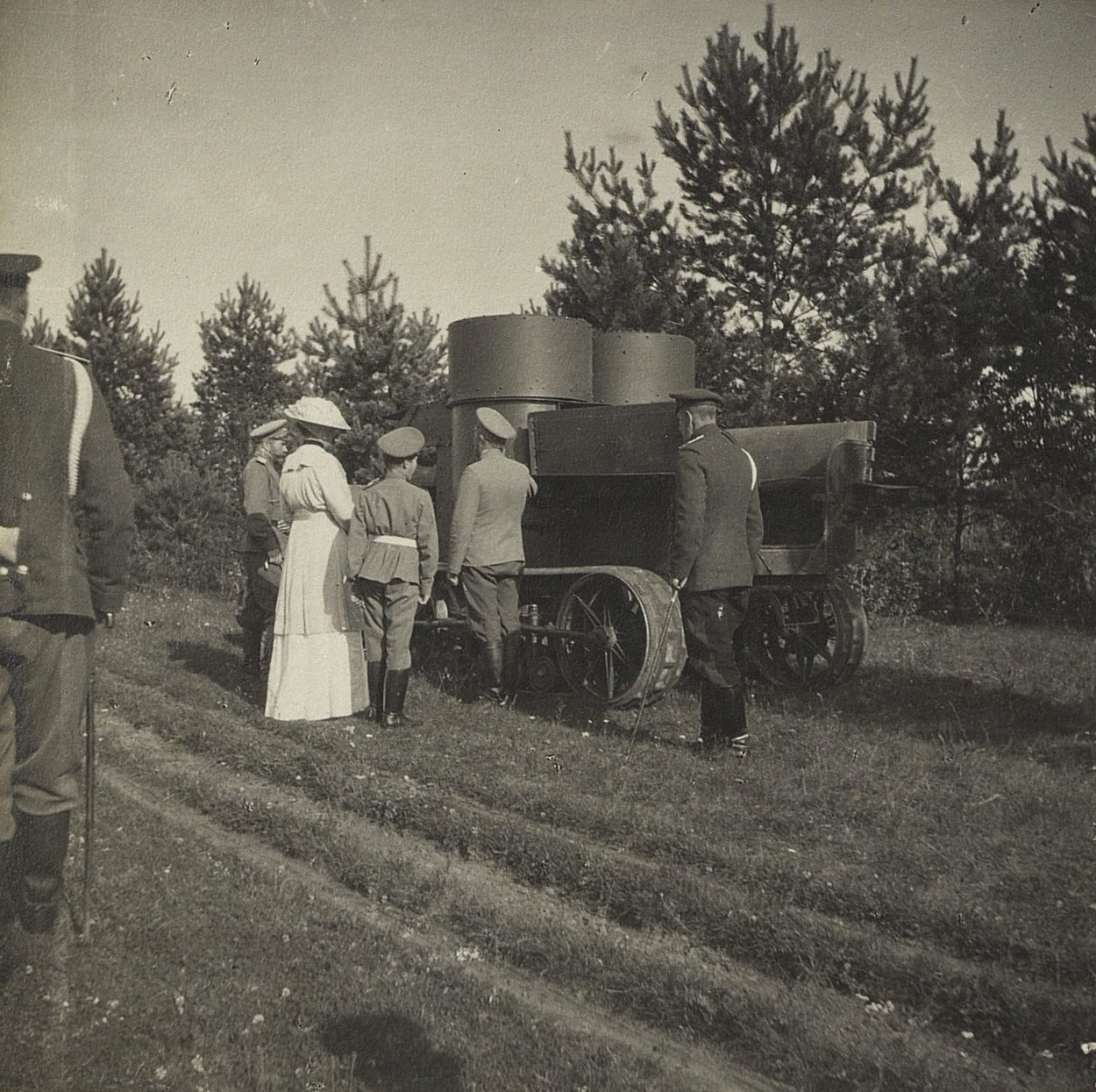
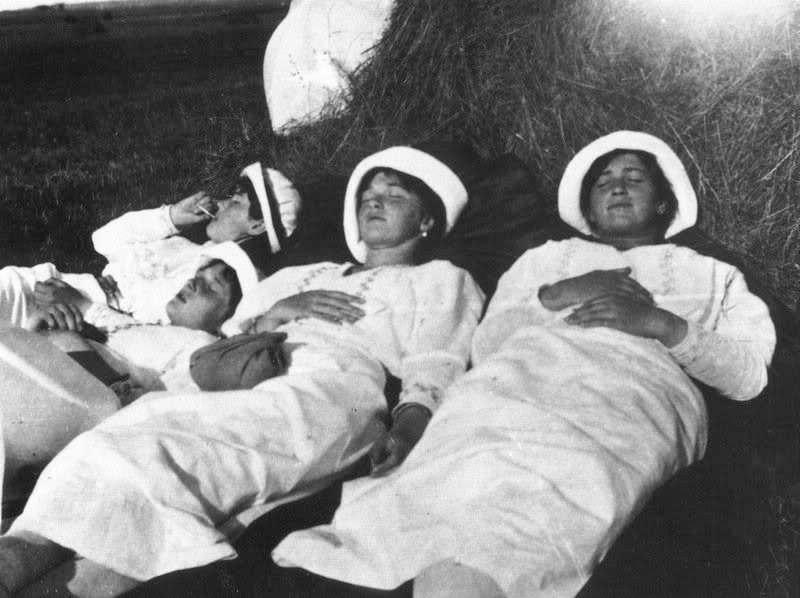
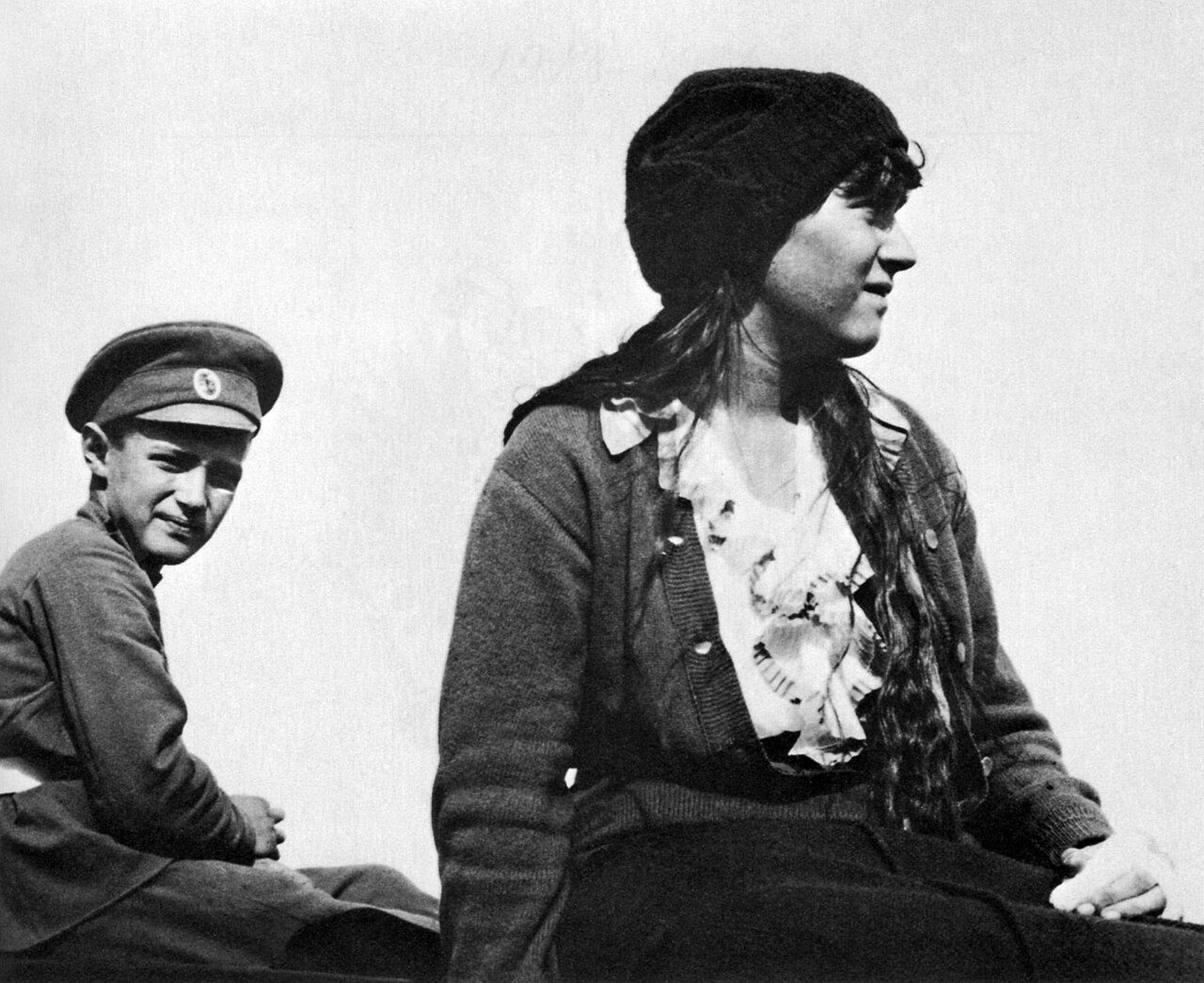
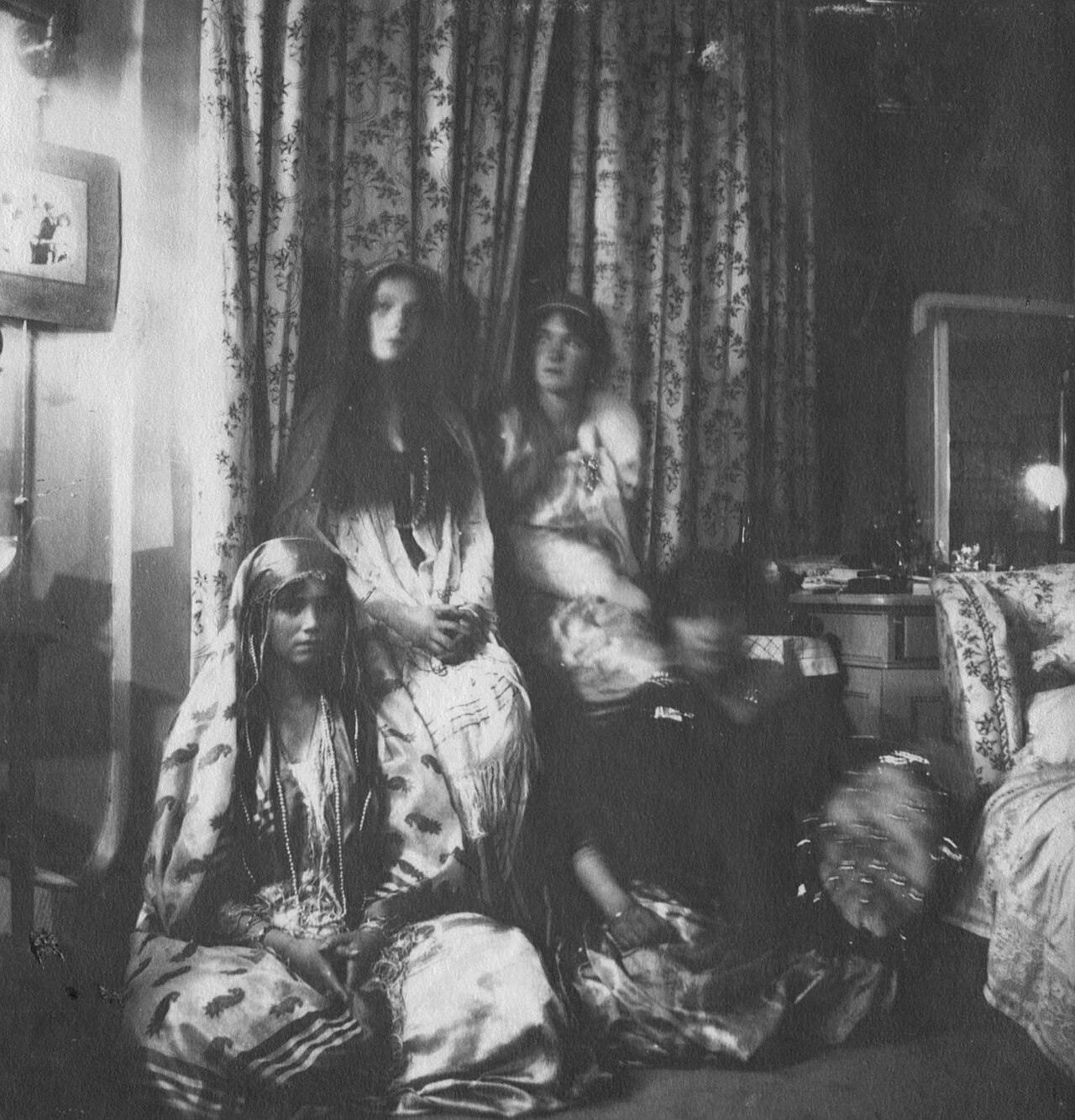
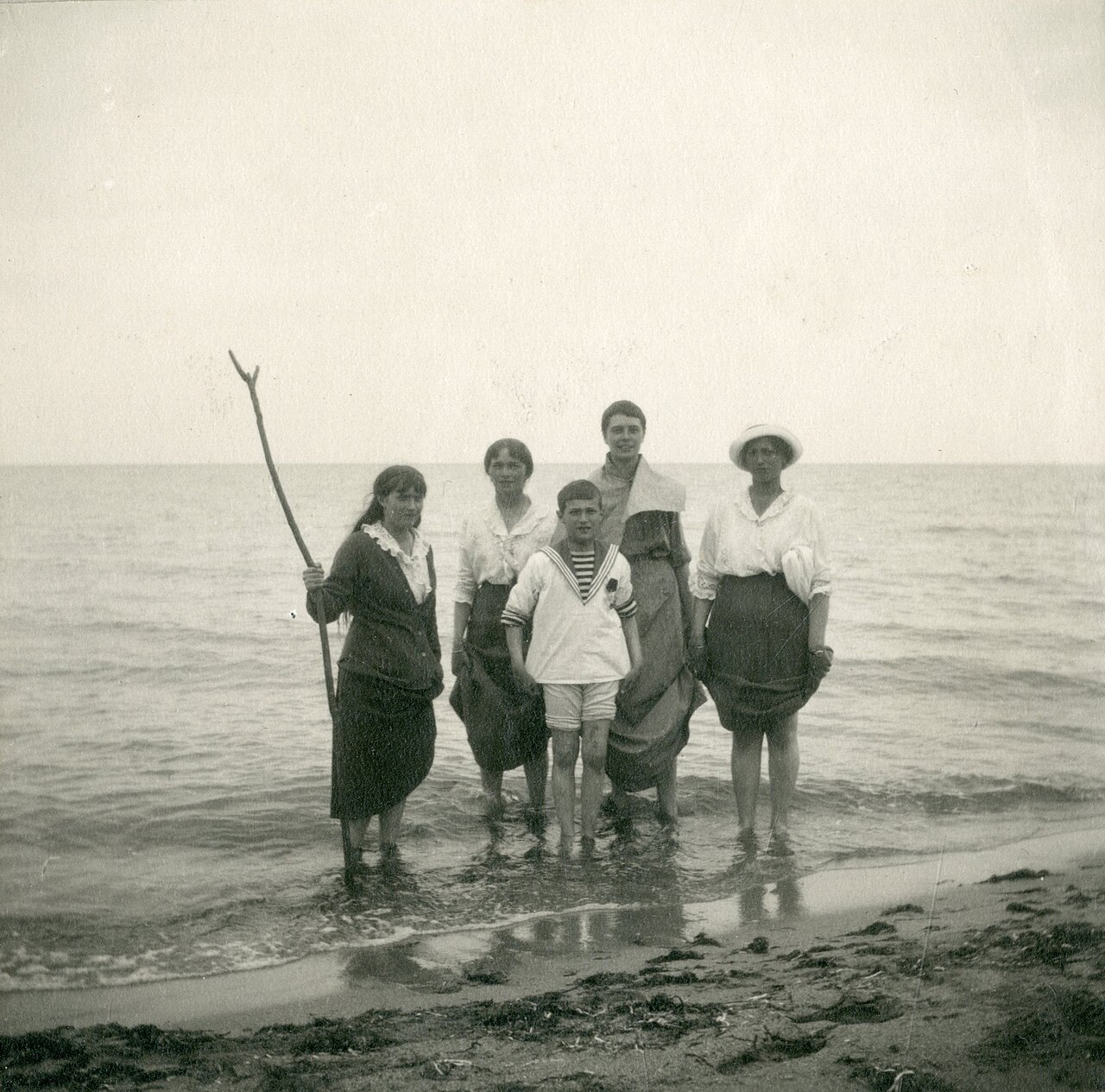
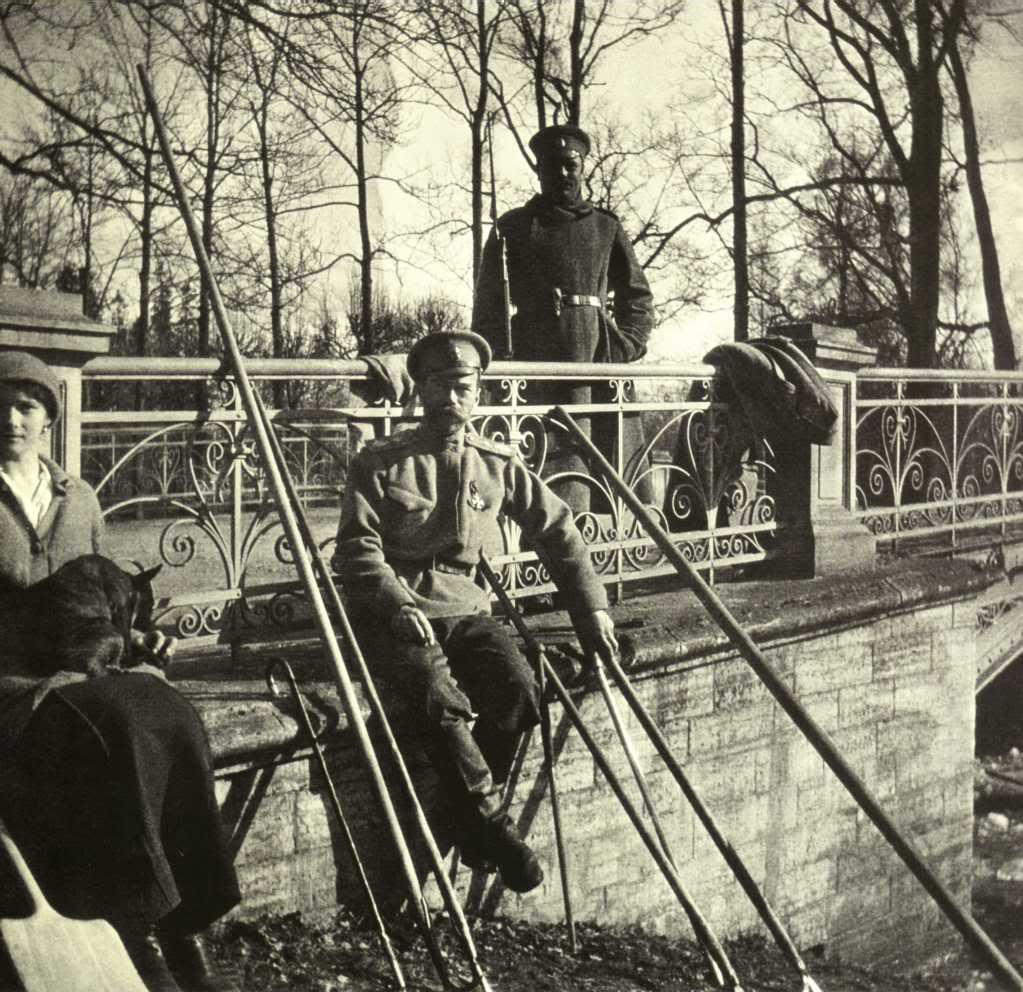
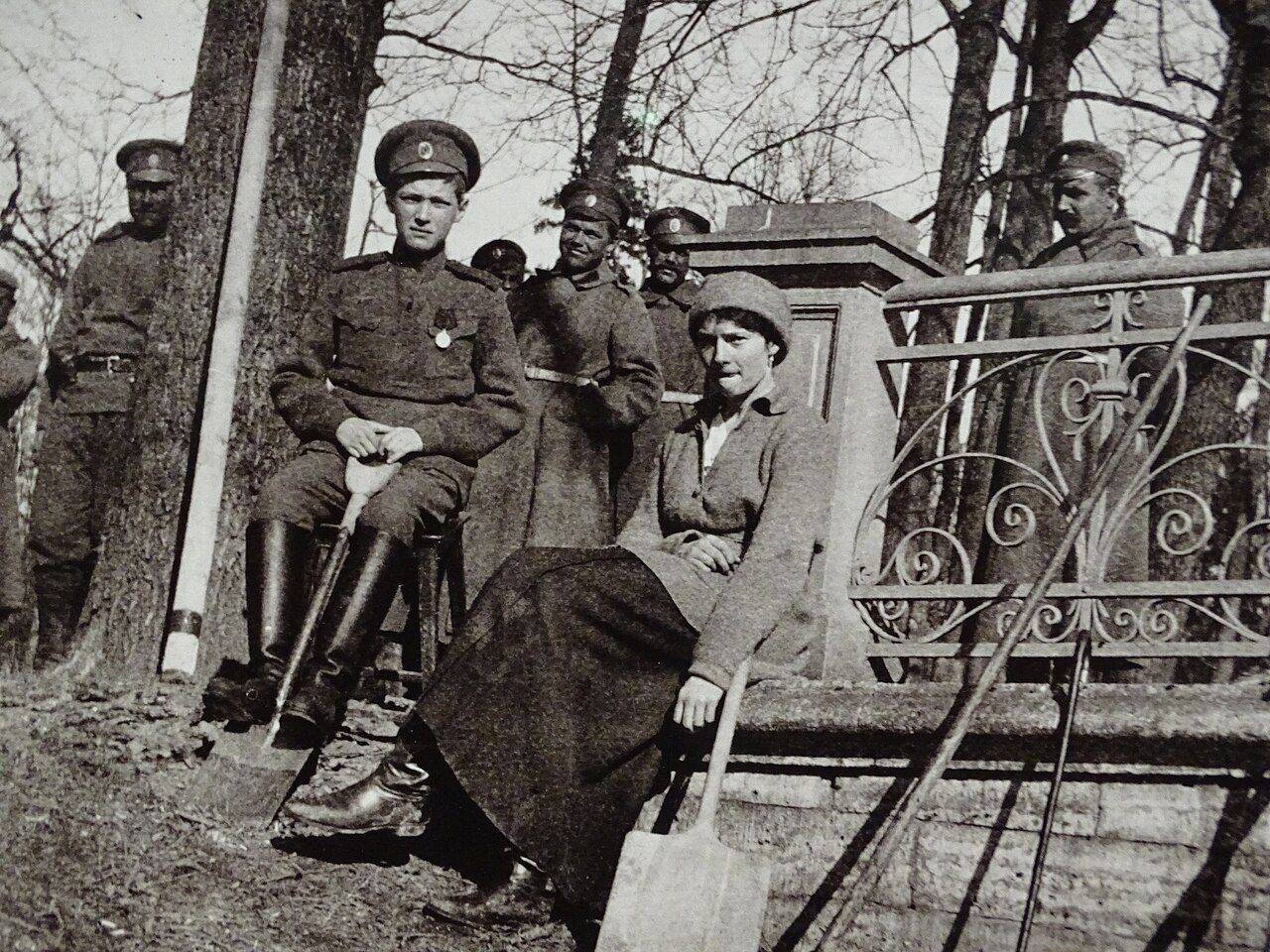
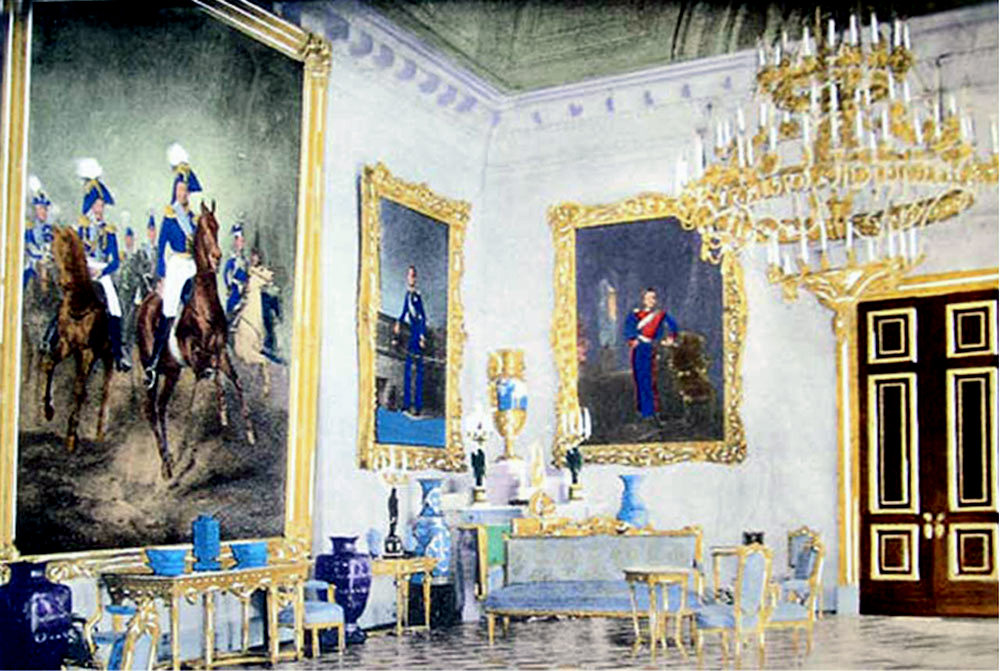
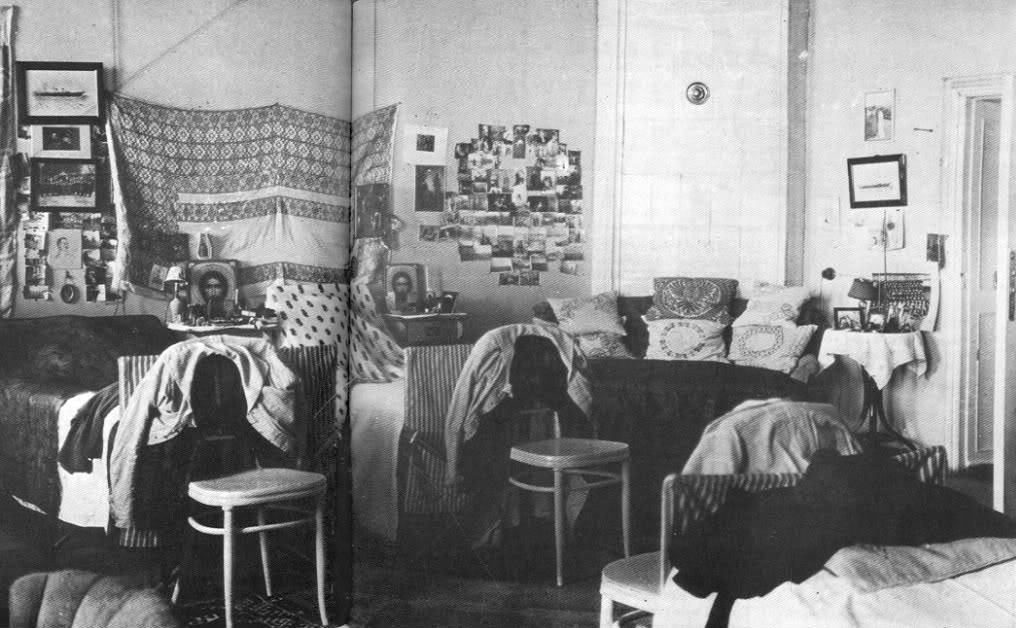
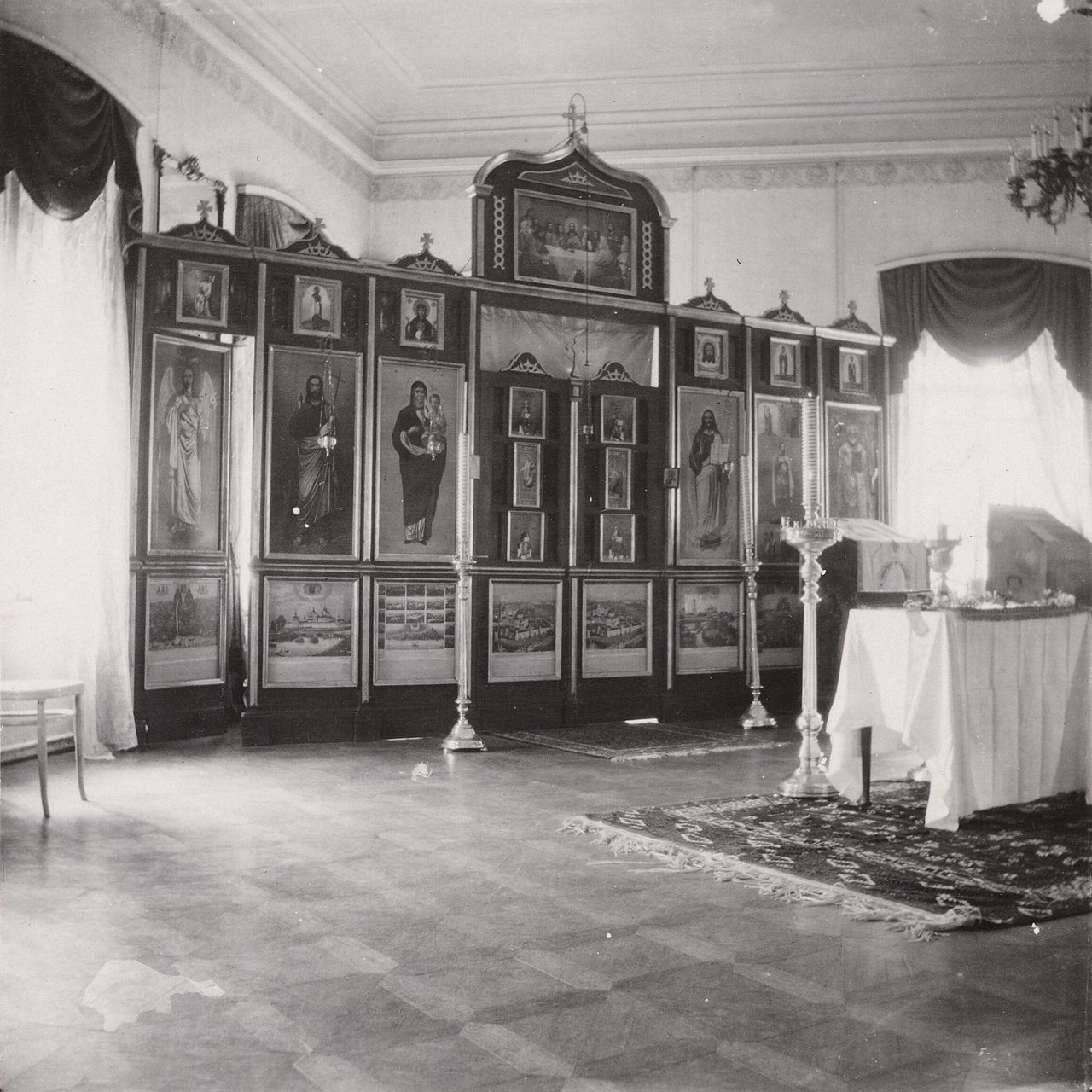
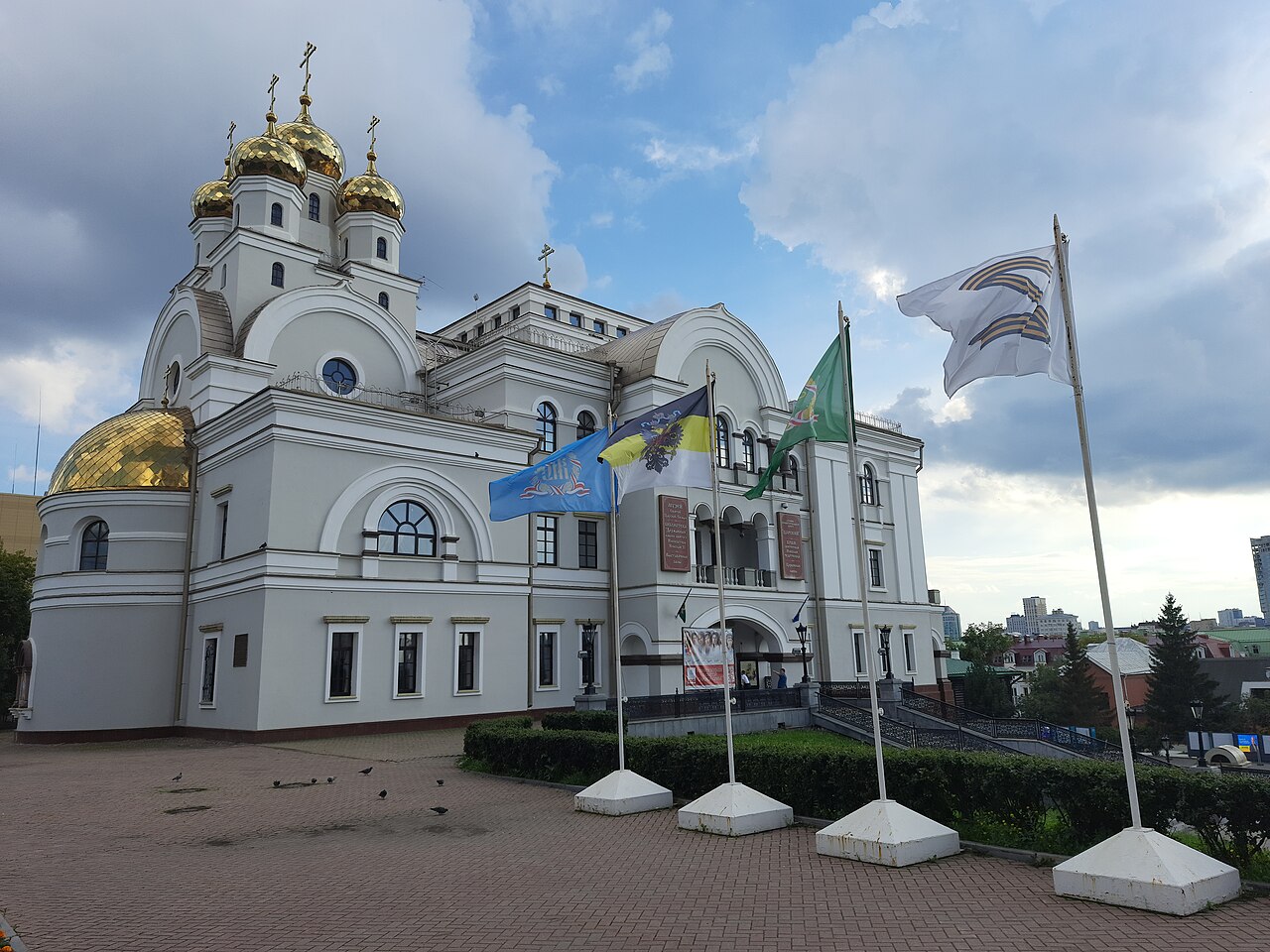
The imperial family in 1913, the year of the tercentenary: Olga, Maria, Nicholas II, Alexandra, Anastasia, Alexei, and Tatiana. Photo: Boasson and Eggler, St Petersburg. Nicholas II and his children kayaking in the Alexander Park at Tsarskoye Selo, May 1913. One of thousands of snapshots the family took of each other. Photo: Romanov family album.Nicholas II and the Tsarevich Alexei, both wearing the chain of the Order of St Andrew. The mount carries both their signatures. Photo: Boasson and Eggler, St Petersburg. Alexandra Feodorovna with Alexei, who is playing with her pearls. Her son’s illness governed almost every decision she made, including her trust in Rasputin. Photo: Boasson and Eggler, St Petersburg. Alexei in uniform in front of a gun. He was made a lance corporal at eleven and spent much of 1916 at army headquarters with his father. Photo: Romanov court photographer. The family outside a military hospital in 1914, with Alexandra’s sister Elisabeth. Alexandra and her two eldest daughters trained as nurses and worked in wards through the war. Photo: Karl Fischer. Grigori Rasputin, the Siberian peasant mystic whose influence over the empress became the scandal that hollowed out what was left of the monarchy’s standing. He was murdered in December 1916. Photo: Unknown photographer. The family inspecting a new Austin-Kégresse armored car at Mogilev, headquarters of the Russian army, September 1916. Nicholas had taken personal command of the army the year before, which meant every defeat was now his. Photo: Romanov family album. Anastasia, Tatiana, Olga and Maria resting in a haystack near Mogilev, spring 1916. Photo: Aleksandr Grabbe, chief of the guard. Alexei and Anastasia boating on the Dnieper, September 1916. Photo: Aleksandr Grabbe, chief of the guard. Maria, Tatiana, Olga and Anastasia in costume in a bedroom at the Alexander Palace, November 1916. Two months later the monarchy had eight weeks to live. Photo: Romanov family album. Anastasia, Olga and Alexei with members of the household in the shallows, May 1916. Photo: Romanov family album. Nicholas and his daughter Tatiana at work in the Alexander Park at Tsarskoye Selo, May 1917, two months into house arrest. Sightseers gathered at the railings to watch. Photo: Unknown photographer. Alexei and Tatiana in the park at Tsarskoye Selo in 1917, with their guards. The family dug a vegetable garden and cut firewood to fill the days. Photo: Underwood & Underwood. The four sisters in the garden of the Alexander Palace, spring 1917. All four had their heads shaved after measles left their hair falling out. Photo: Romanov family album, probably Pierre Gilliard. The Portrait Hall of the Alexander Palace, photographed in colour in the summer of 1917 after the family had been taken away. Andrei Zeest’s autochromes were made as a record of an interior nobody expected to survive. Photo: Andrei Zeest. The Governor’s House at Tobolsk, where the family was interned from August 1917. Kerensky sent them to Siberia partly to get them away from Petrograd. Photo: Underwood & Underwood. The main entrance of the Governor’s House, with the four grand duchesses and Alexei outside. The original caption identifies them; the distance is the point, since photographers were kept across the road. Photo: Underwood & Underwood, Library of Congress. Nicholas and Alexei sawing wood at Tobolsk, winter 1917–18. The former emperor liked the work and recorded the day’s output in his diary. Photo: Grand Duchess Maria Nikolaevna, Beinecke Library. Nicholas and his children on the roof of a greenhouse at Tobolsk. It was one of the few places in the compound with a view over the fence. Photo: Romanov family album. The room the four sisters shared at Tobolsk, photographed by the family. They slept on camp beds brought from home. Photo: Romanov family album. The ballroom of the Governor’s House, fitted out as a chapel. A priest was allowed in to say mass, under supervision. Photo: Romanov family album.Nicholas and Alexandra at Tobolsk in the late summer of 1917 — the last known photograph of the two of them together. Photo: Unknown photographer. The Ipatiev House in Yekaterinburg, requisitioned from its owner in April 1918 and renamed the House of Special Purpose. The family was brought here that spring and killed in the cellar in the early hours of July 17. Photo: Unknown photographer. The Ipatiev House was demolished on Politburo orders in 1977. The Church on the Blood, finished in 2003, stands on the site. Photo: MBH, Creative Commons Attribution 4.0. Via Wikimedia Commons.