On November 18, 1978, more than 900 members of the Peoples Temple Agricultural Project (commonly known as Jonestown) died in northwestern Guyana. In the decades since, the tragedy has become one of the most widely studied cult incidents in history.
However, less well-known is that some members of Jonestown did survive. Specifically, the basketball team escaped the town’s demise because they were more than a hundred miles away at the time.
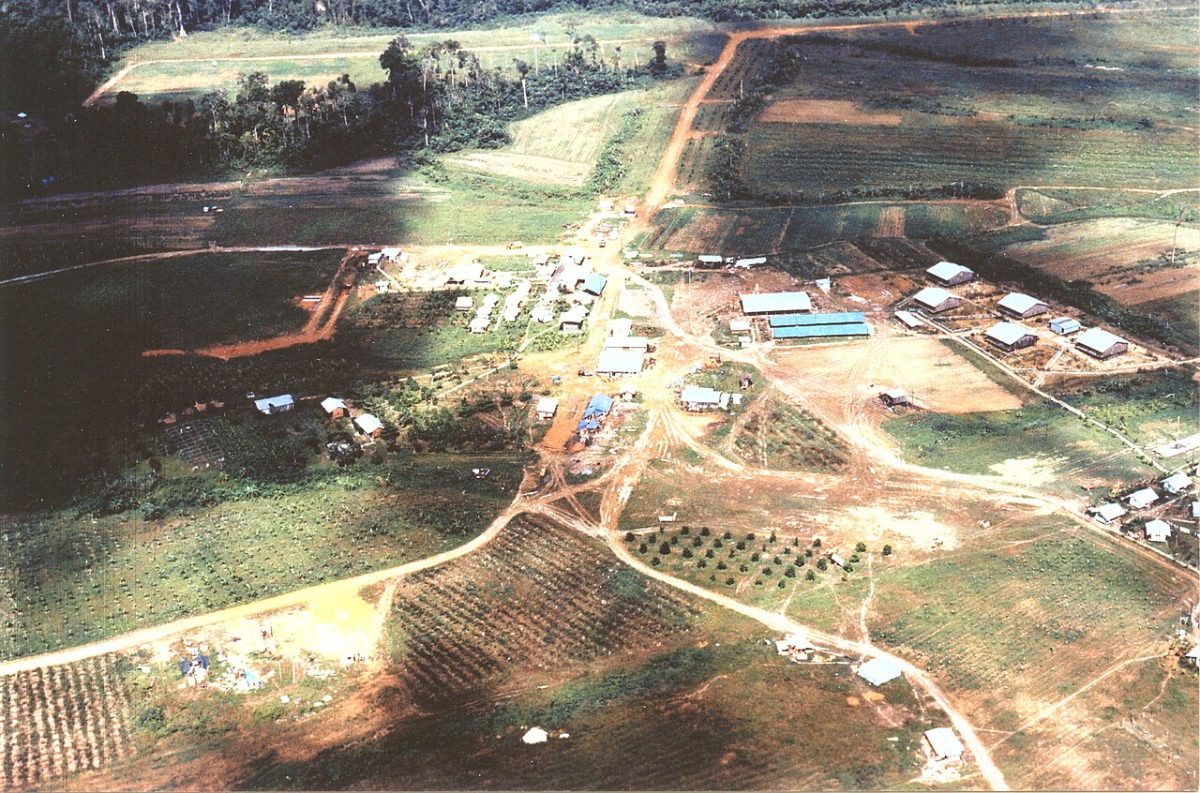
Jonestown’s basketball team, full of Peoples Temple residents, had traveled to Georgetown on the day the events unfolded. By the time they learned that something had happened, they were already too late to stop it.
Some people suggest that the basketball team’s survival was more than just a coincidence, and the survivors themselves have continued to live with guilt following the events that claimed the lives of friends and family. Their experience offers critical insight not just into the day of the Jonestown massacre, but also about life at the Peoples Temple Agricultural Project.
The Origins of Peoples Temple
The movement that eventually led to Jonestown began in Indianapolis, Indiana, during the 1950s. Jim Jones, born in Indiana in 1931, developed an early interest in religion and social activism. He was involved in numerous churches before he broke away with his own congregation, with a focus on racial integration, charity, and community.
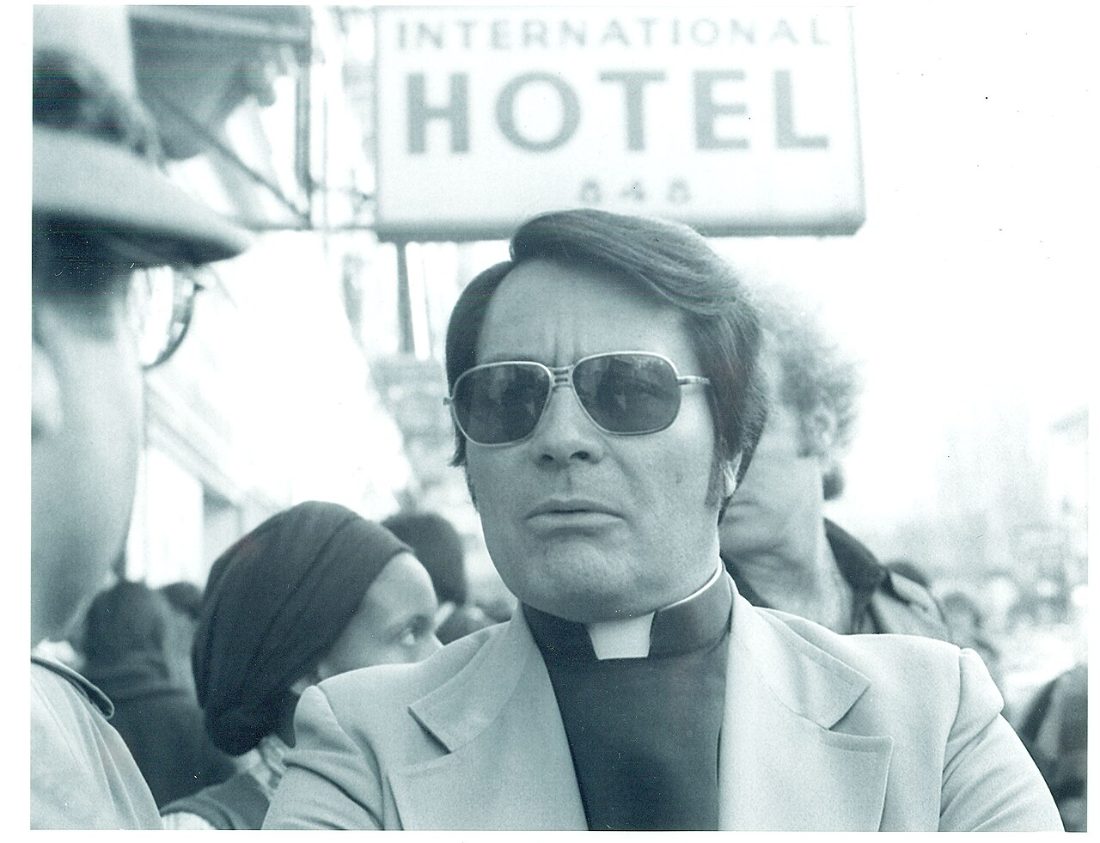
This period in the United States was still marked by widespread segregation, so the Peoples Temple attracted adherents due to its racially diverse membership.
Jones pushed Pentecostal religious practices alongside calls for economic equality, and he stood behind his word; the church operated soup kitchens, nursing homes, and assistance programs for the elderly and low-income families.
By the mid-1960s, Jones had garnered significant attention and relocated his church to Northern California, with other congregations in Ukiah, San Francisco, and Los Angeles. Even local officials and influential figures in California were establishing relationships with Jones, but they didn’t get a view into what life was like under the surface.
Former participants describe strict discipline and demands for financial contributions. Some were even coerced into public confessions or forced to surrender personal property. As these stories became increasingly common, scrutiny intensified.
During the ‘70s, both journalists and family members of participants expressed concerns, and New West magazine was just preparing to publish allegations involving abuse and manipulation when Jones launched the culmination of his plans. He relocated hundreds of followers to a remote agricultural settlement in Guyana, in South America.
Everyday Life in Jonestown
Jones portrayed the settlement as an opportunity to build a cooperative community free from the influences of racism and capitalism. The site, called Jonestown, was cleared in 1974 and spent its first three years as a work camp of a few dozen people. Then, in the summer of 1977, Jones moved the bulk of his congregation to Guyana, and the population passed 900 within months.
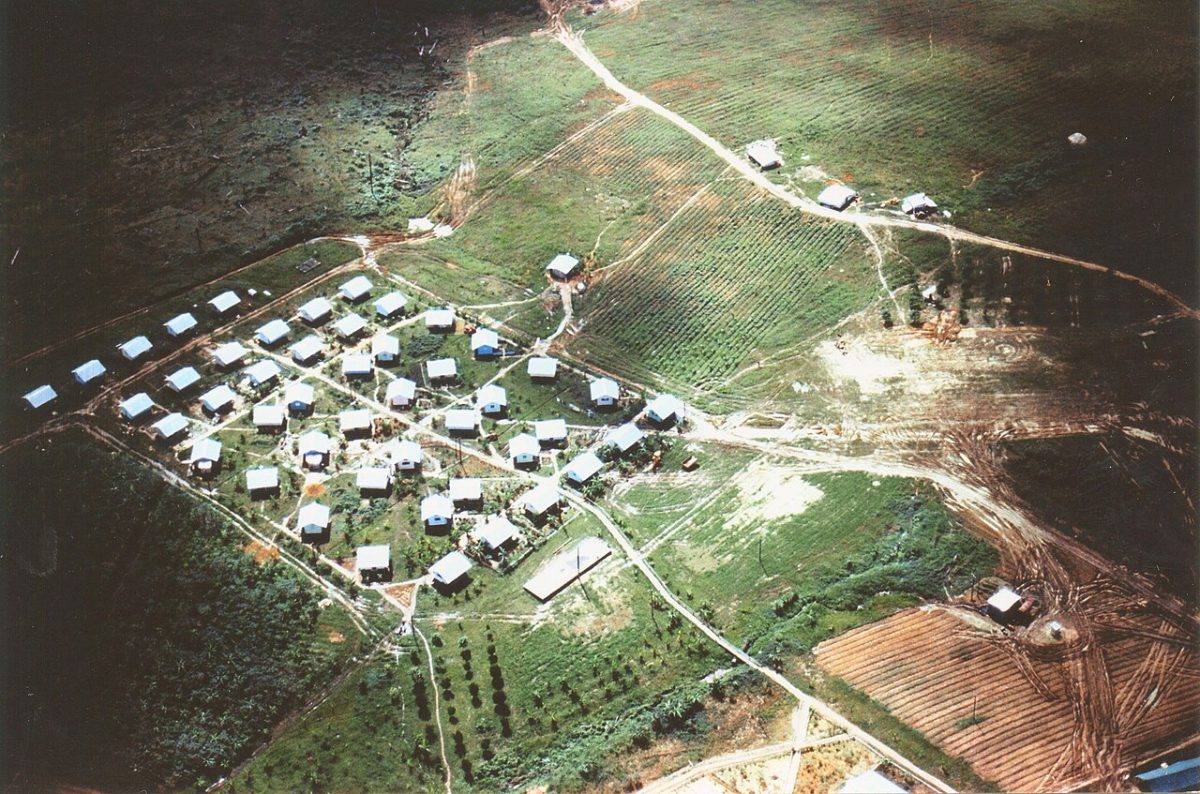
Jones had selected Guyana because its government maintained friendly relationships with socialist nations, English was spoken in most places, and it was well-suited for agricultural development.
However, Jones jumped ship from America faster than he’d intended in response to increasing journalism hostilities. As a result, the land he’d acquired in Guyana was not yet ready.
He framed the move as one of communal labor, but private reports indicate that residents worked long hours in fields, kitchens, and workshops while listening to loudspeakers broadcasting Jones’ speeches. Jones employed armed security and required people to ask for permission to leave the site.
Despite these restrictions, life in Jonestown settled into a routine. Children attended school, adults went to work, and residents participated in music, recreation, sports, and art. Trips outside of Jonestown became increasingly valuable; they brought outside supplies, but they also afforded brief contact with the world beyond the edges of Jonestown.
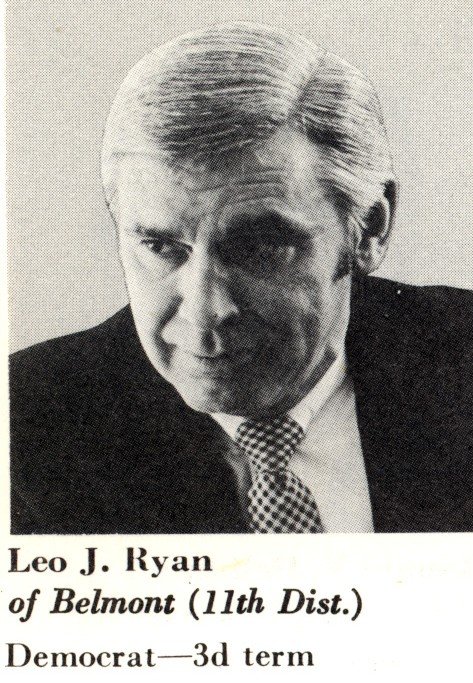
For this reason, the basketball team grew to become a valued part of the community, providing outside competition and interaction. But despite this seeming evidence of a flourishing society, those left behind in America continued to take note of suspicious behavior. Eventually, Jones drew the attention of Congressman Leo Ryan.
November 18, 1978
Ryan responded, at least in part, to stories from an organization known as Concerned Relatives, which had formed in direct response to Jones’ Peoples Temple commune. Family members feared that their friends and loved ones inside the settlement were being held against their will. Ryan organized a trip to Guyana to learn the truth.
Before he got there, the Jonestown basketball team departed for a game in Georgetown. They aimed not just to compete but also to conduct business on behalf of the Temple, such as strengthening bonds with Guyanese officials. Ryan arrived after they had already left.
On November 17, Ryan and his delegation arrived at Jonestown. They were welcomed with staged musical performances and members speaking positively about the settlement. However, some people quietly approached reporters and members of Ryan’s party, expressing their desire to leave. Tensions simmered without breaking through, and Ryan stayed the night.
On the morning of November 18, several residents asked to accompany Ryan and his team back to Georgetown. As the delegation was preparing to leave, the tension finally broke: Don Sly, one of the residents, lunged at Ryan with a knife and was pulled away before he could do real harm.
The visit became an evacuation. They headed together toward Port Kaituma airstrip, but the defections were the final insult to Jones and those still loyal to the commune. Temple member Larry Layton boarded one of the aircraft and opened fire inside the cabin. Gunmen arriving on tractors and trailers attacked people gathering near the planes, and by the time the encounter had ended, Congressman Ryan, NBC correspondent Don Harris, cameraman Bob Brown, photographer Greg Robinson, and Temple defector Patricia Parks had been killed.
Meanwhile, the Jonestown team remained unaware of the events. They participated in a basketball game and were in the midst of errands and supply runs when reports began to emerge about the violence at Port Kaituma. Simultaneously, Jones was enacting his now-famous massacre, killing hundreds of adults and children by forcing them to ingest cyanide-laced drinks.
About a third of the dead, roughly 300 people, were children, and they had no say at all in what was done to them. However, Jones pulled Tim Carter, a resident, aside shortly before the deaths to entrust him with a briefcase. He was instructed to deliver its contents (money, jewelry, passports, and financial documents) to Soviet officials in Georgetown. In this way, a few people did survive alongside the basketball team.
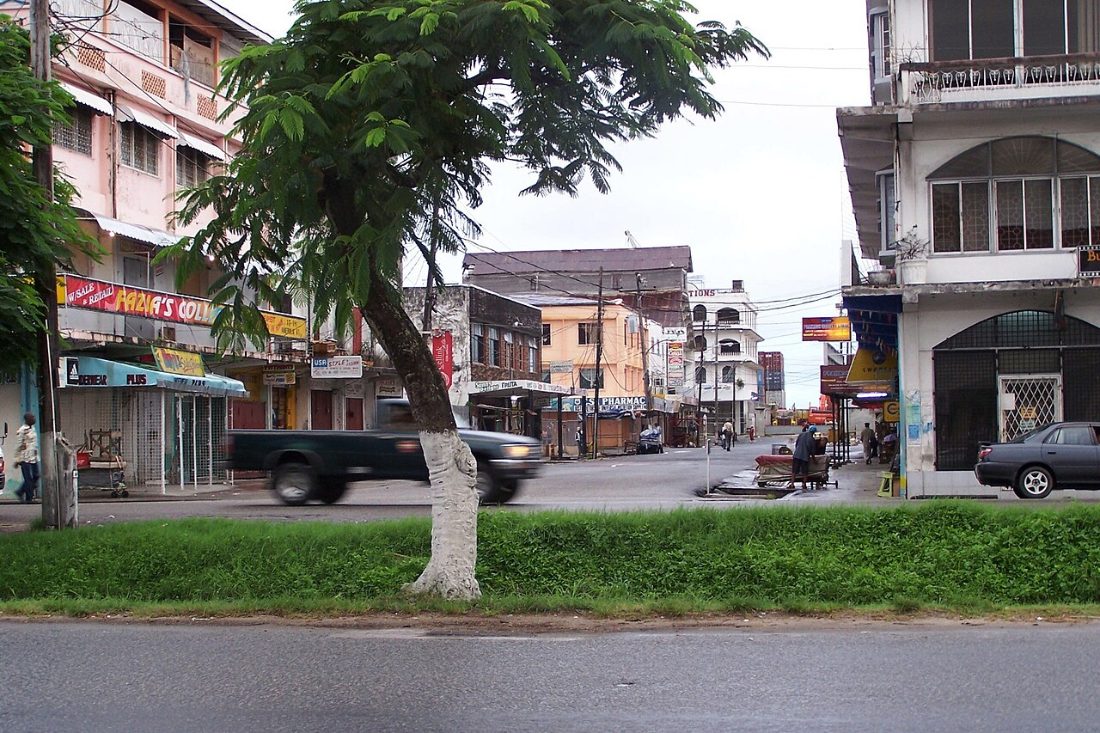
The deaths were not confined to Jonestown. At the Temple’s house on Lamaha Gardens in Georgetown, the same building where the basketball team was staying, Sharon Amos received a radioed order from the settlement and killed her three children before taking her own life. The players were elsewhere in the city when it happened, and returned to find the house sealed off.
What Happened to the Survivors
In the immediate aftermath of the tragedy, the surviving members of Peoples Temple faced suspicion. Tim Carter became an essential witness to provide testimony, resisting simplistic explanations that framed every member of the Temple as either a fanatic or a captive. He emphasized that reality was more complex.
Some former Temple members and players for Jonestown chose to speak publicly, but others avoided interviews. Mike Cartmell, who was in Georgetown that day, noted that he survived only by the luck of being away from the settlement. He, like many survivors willing to speak, faced the challenge of rebuilding his life while coping with the deaths of friends and relatives, all while public attention continually sensationalized his experience.
Public misconceptions abounded. Some observers claimed that because the team was away for a game, they must have known what was about to happen and chose to remove themselves from danger. However, historians can find no evidence to support this claim.
Some survivors from Jonestown are easier to trace than others. Stephan Jones, one of the best-known survivors (and the son of Jones himself), was with the team in Georgetown when the deaths occurred.
Although he had no part in the massacre, he was still imprisoned afterward until his return to the United States. He changed his surname for some time in order to escape the connection to Jonestown and struggled with addiction, though he has since become a public speaker about his experience.
Tim Carter, who had been placed in charge of the briefcase, later gave numerous interviews. He continued to strongly reject the idea that the victims voluntarily committed suicide; rather, he describes the events as a slaughter.
Not all survivors returned to a regular life. Mike Prokes, a survivor who escaped with Carter, defended the Temple publicly for several months. Whether due to a personal change in feelings, the immense pressure from public pushback, or something else, he passed away as a result of suicide in March 1979, shortly after the events of Jonestown.
Jonestown is just one of many examples of cult behavior that led to the deaths of innocent people. Until the attacks on September 11, the Jonestown massacre was the single largest deliberate loss of American civilian life, despite having taken place on foreign soil.
It also popularized the slang phrase “drink the Kool-Aid” as a result of Jones’ primary method of murder: forcing residents to drink a cyanide-infused beverage. However, the beverage found at the scene was actually Flavor Aid, an off-brand Kool-Aid. The Kool-Aid term has since stuck with the story due to the brand’s greater name recognition.